
Frequent valve wear causes big problems in chemical plants. This causes expensive stops. You need a better solution. Our stainless steel diaphragm valves1 solve these fluid control problems.
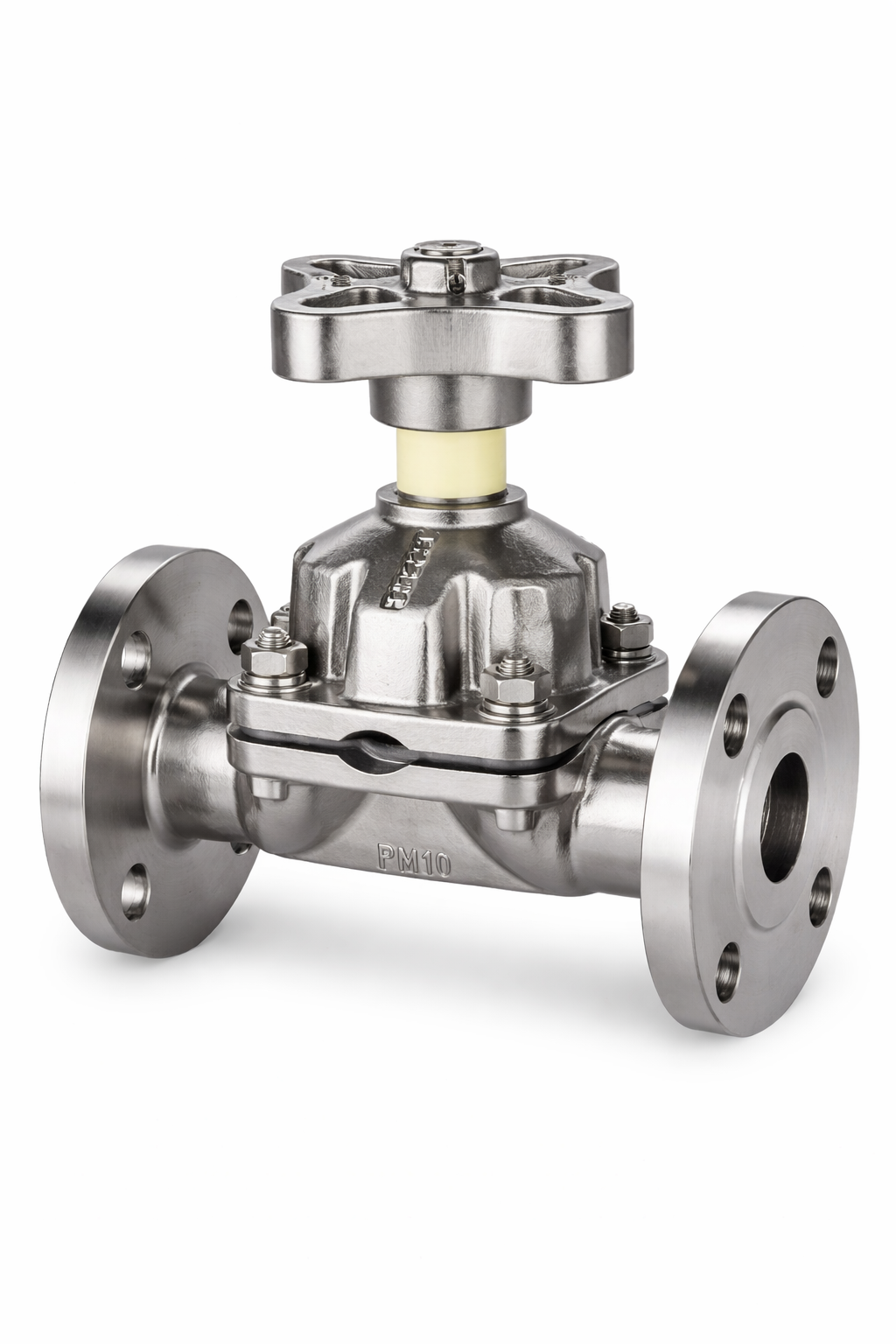
Yes, stainless steel weir-type diaphragm valves2 give the best fluid control for strong chemicals and clean systems. They use very good PTFE or EPDM linings3. This design stops leaks completely. It stops dirt. It makes your valves last longer in very bad work areas.
You must read the details below to stop buying new valves every month. I will show you why these valves change everything for your factory.
What Are the Key Specifications and Performance Rules for These Valves?
Bad valves are dangerous. Your pipe system might break suddenly. We build our valves to strict world rules. This keeps your pipes safe.
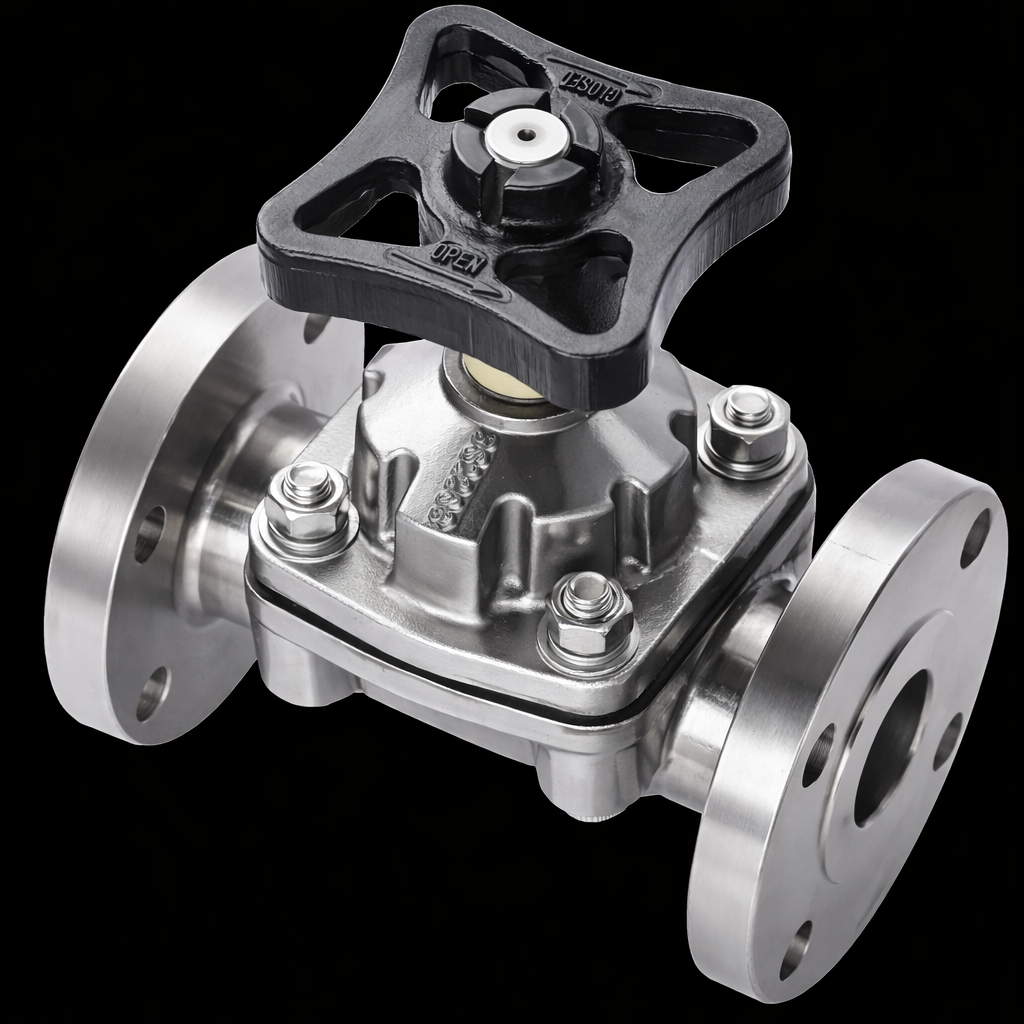
Our DN50 stainless steel weir valves follow the EN 558-1 Series 14 rule. They hold a maximum pressure of PN10. They work well from -10°C to 120°C. We test them all for PED safety. We also give you 3.1 material papers.
I remember a client in Europe. He used cheap valves. They broke very fast. We fixed his problem with our tested valves. You must know the exact numbers of your tools. This helps you stop sudden plant breaks.
Pressure and Temperature Limits
The right pressure limits keep your workers safe. Our valves hold up to PN10 pressure5. This fits most chemical needs. The temperature range is also very big. It goes from -10°C to 120°C. This depends on the rubber part you choose.
Standard Compliance Table
Here is a simple look at our rules:
| Feature | Specification Details |
|---|---|
| Face-to-Face Size | EN 558-1 Series 14 |
| Max Pressure | PN10 |
| Temperature | -10°C to 120°C |
| Safety Test | PED Compliant |
| Material Paper | 3.1 Material Certification |
These rules mean our valves fit straight into your old pipes. You do not need to change your whole pipe system. We sell these strong parts to Southeast Asia and Europe. We have done this for more than 20 years. Good rules make your factory run well.
Where Are Stainless Steel Weir-Type Diaphragm Valves Usually Installed?
It is hard to find the right valve for dirty water. Bad choices cause big leaks. Our valves fit perfectly into the hardest parts of your factory.
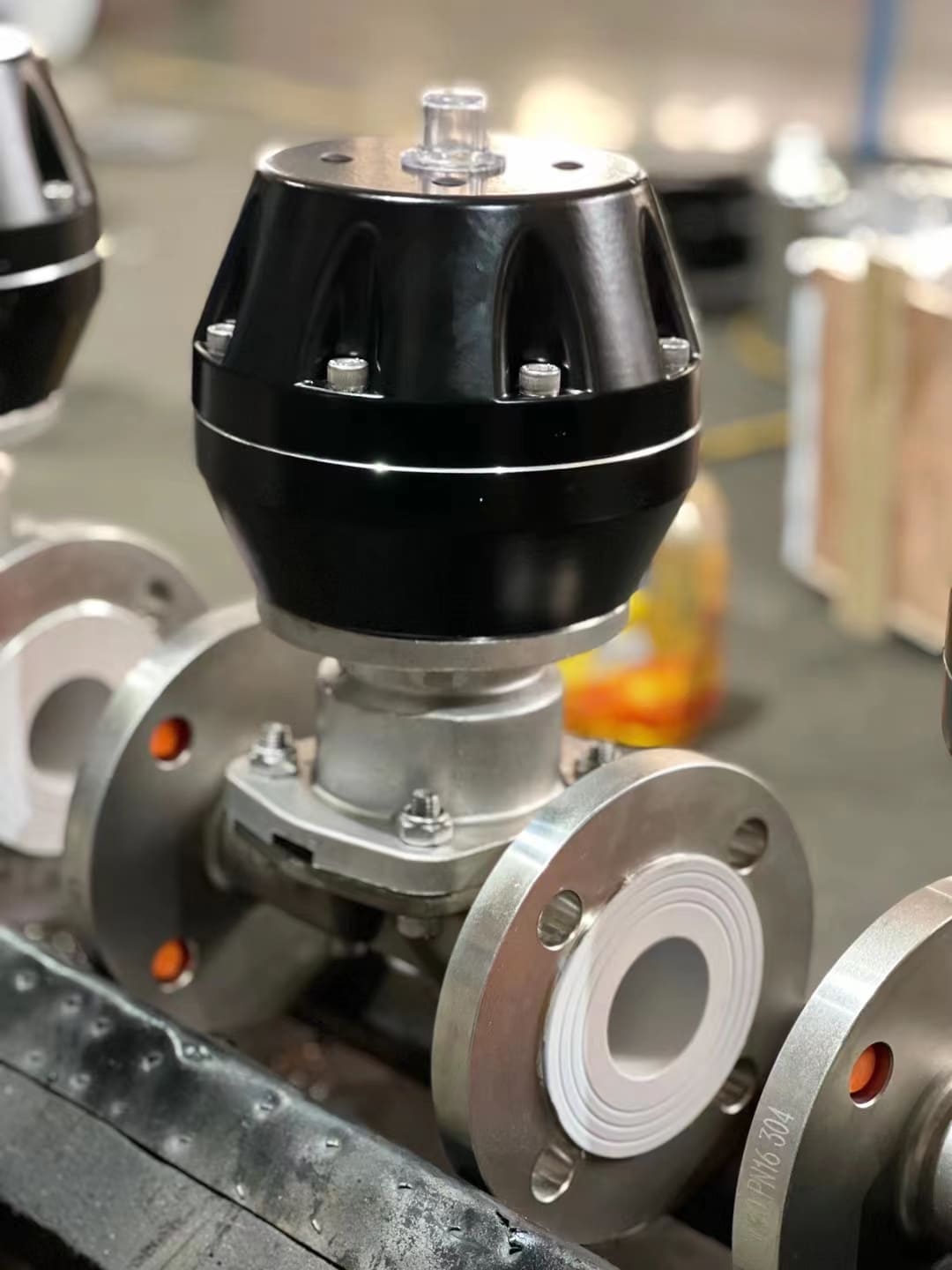
You can put these valves in chemical plants6, mining sites, and water cleaning places. They are great for chemical mixing lines and water loops. They close completely. They separate the fluid from the outside. This is very important for clean and safe systems.
I often visit water cleaning plants. I see old and broken valves everywhere. Plant managers always ask me for help. I tell them to use weir-type diaphragm valves2. They are the best choice to replace old valves.
Chemical and Mining Uses
You move strong acids in chemical plants. The stainless steel body fights the acid well. The weir shape stops the fluid smoothly. You move rough dirt in mining. The valve handles this rough dirt without breaking.
Clean Water Needs
Clean water needs very clean valves. Our valves have no empty spaces inside. Empty spaces are bad. Dirt hides in empty spaces. Our design stops bad things from growing.
| Industry | Application | Main Benefit |
|---|---|---|
| Chemical Plants | Acid mixing lines | Total fluid stop |
| Mining Sites | Rough dirt pipes | Strong wear block |
| Water Cleaning | Clean water filters | No empty space |
These valves give you a complete close. No water drops can pass when the valve is closed. This saves you money. This keeps your plant very safe.
How Do Construction Materials Add Big Value to Your System?
Weak metals rust fast in acid. Rust ruins your products. Stainless steel stops this rust. Good rubber linings add huge value to your pipe work.
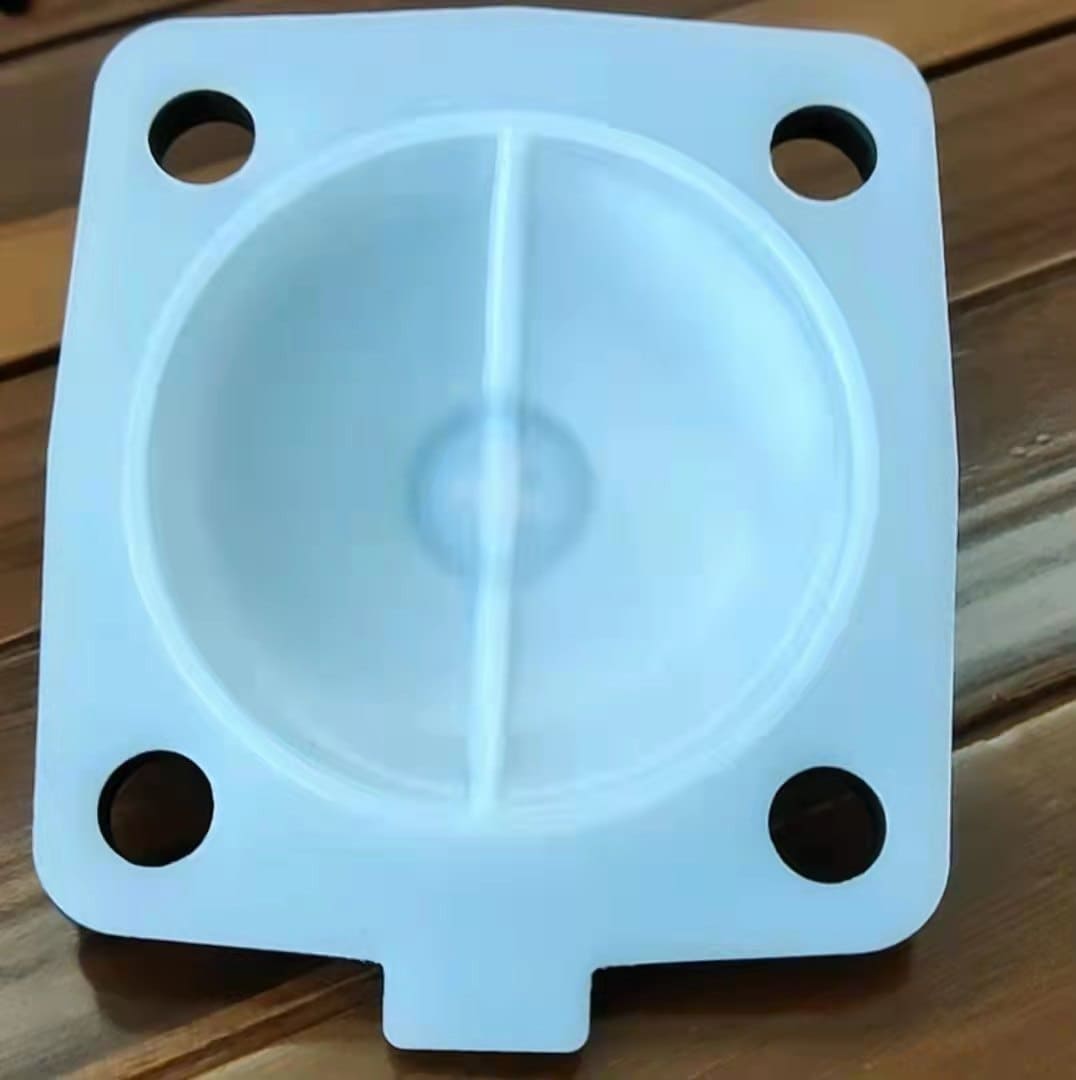
Stainless steel gives strong protection against rust in acid areas. We mix this with EPDM, FKM, or PTFE rubber parts. This mix gives smooth fluid control. It keeps the valve strong for a long time. It cuts your repair time a lot.
I once saw a factory lose a lot of money. Their metal valves rusted from the inside. They had to stop all work for a week. Material choice is very important. You must use the right metal and the right rubber.
The Power of Stainless Steel
Stainless steel is a very strong metal. It fights off small holes. Small holes form often in chlorine areas. Stainless steel stops these holes. It keeps your valve body safe for many years.
Choosing the Right Rubber
The rubber diaphragm7 is the heart of the valve. You can choose different rubber types for different fluids.
| Rubber Type | Best Used For | Main Feature |
|---|---|---|
| EPDM | Water and weak chemicals | Good for hot washing |
| FKM | Oils and strong acids | High heat block |
| PTFE | Very strong chemicals | Best chemical block |
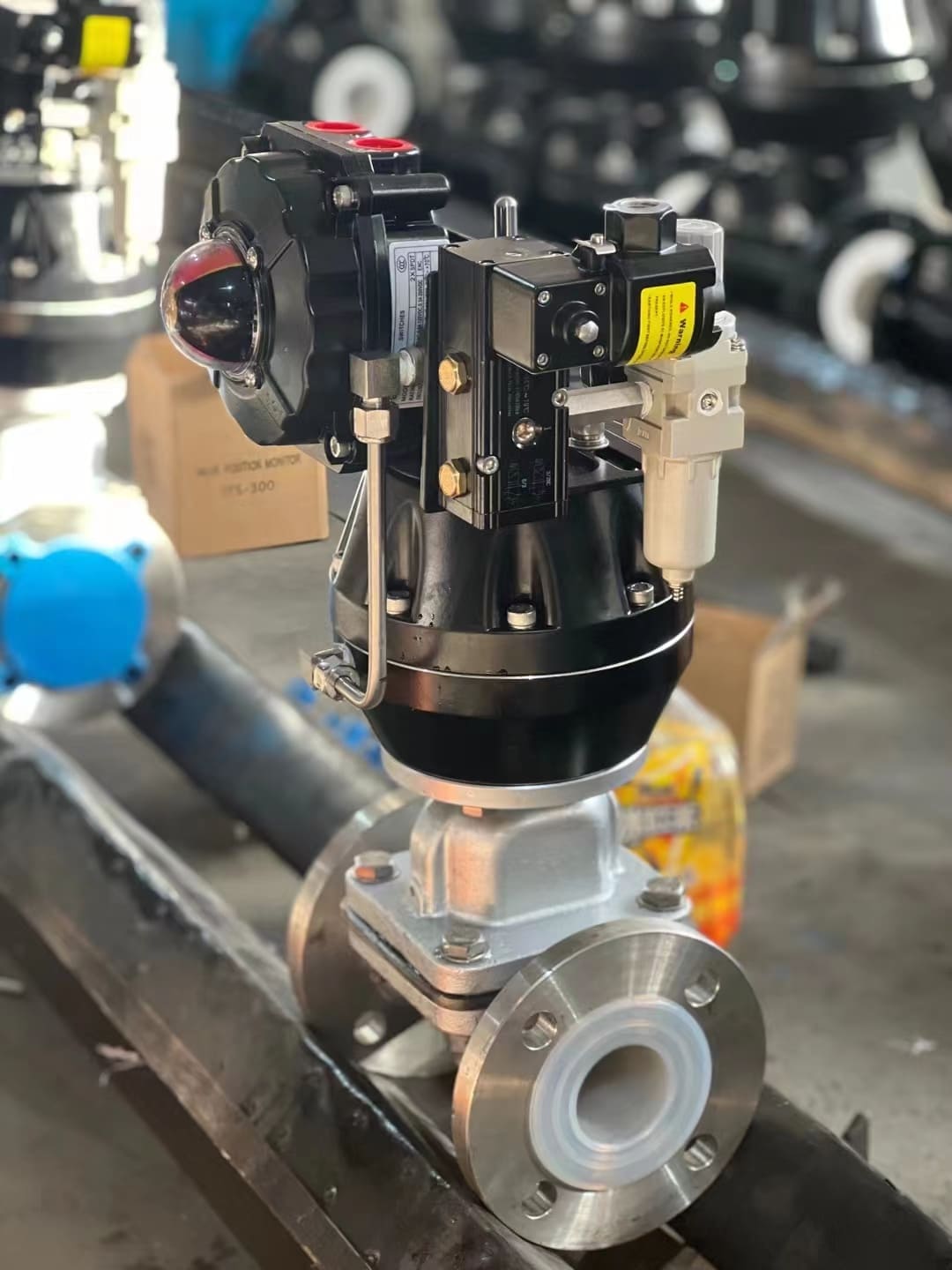
Our valve tops are easy to change. You can add sight glasses or switches. You can add automatic motors. The body uses simple bolts. This makes it very easy to open the valve. You can change the rubber part fast. You save a lot of time this way.
How Can You Make the Valve Last Longer Through Good Setup?
A bad installation breaks the valve fast. You will buy a new one soon. Good setup and good part support fix this costly problem completely.
You must make the pipes straight during setup to make the valve last long. You must check the rubber part for wear every year. We give you full setup books. We keep spare parts8 in our local stores. This gives you fast help always.
A customer called me last year. His new valve leaked after one month. I went to check his factory. His workers put the valve in crooked. The pipes pulled hard on the valve body. This pull broke the seal. Good setup is just as important as a good valve.
Straight Pipes Matter
You must make your pipes straight. Do not force the valve between badly placed pipes. This creates bad stress. Stress breaks the valve over time. Always use the right bolts. Tighten all bolts evenly.
Yearly Checks
You must not wait for a valve to break. You need to look at it every year.
| Check Step | How Often | Goal |
|---|---|---|
| Look Outside | Every month | Find early leaks |
| Check Rubber | Every year | Look for damage |
| Tighten Bolts | Every 6 months | Keep seal strong |
We help you with this work. We give you a simple guide book. We keep spare parts8 ready. We have stores in many countries. We send a new PTFE rubber part fast if you need it. This help keeps your factory running.
What Are the Most Common Questions and True Success Stories?
New valves bring many worries. You might wonder if they really work well. I will answer your questions. I will share a true story to remove your doubts.
People ask about automatic parts, custom choices, and spare parts8. Our valves take air or electric motors. You can pick flange, thread, or clamp ends. We send all spare parts8 everywhere. These choices make our valves much better than old valves in chemical plants.
People always ask me if our valves are better than their old valves. I always say yes. Old valves need too much fixing. They do not connect to computers easily. Our new valves solve all these old problems.
Common Questions
Here are the things people ask me most:
| Question | Direct Answer |
|---|---|
| Why use it in acids? | The PTFE rubber and stainless body stop acid damage. |
| Can I use a motor? | Yes. You can add air motors and computer sensors. |
| How is it better? | It lasts longer. It needs less repair time. |
| Are parts easy to buy? | Yes. We send rubber parts and motors all over the world. |
A True Story in Italy
Let me tell you about a chemical plant in Italy. They had very old valves. The rubber parts broke often. They lost money every time the machines stopped. We gave them our DN50 stainless steel weir valves. They called me after six months. They were very happy. Their repair time dropped by 20 percent. The valve seals were much tighter. Changing the rubber parts was much easier. A good valve really helps your business.
Conclusion
Stainless steel weir-type diaphragm valves2 give the best protection for acid and clean systems. They stop leaks. They cut repair times. They give long fluid control for your factory.
Explore how stainless steel diaphragm valves enhance fluid control and reduce leaks in chemical applications. ↩
Understand the unique benefits of weir-type diaphragm valves in various industrial applications. ↩
Learn about the advantages of PTFE and EPDM linings in improving valve performance and longevity. ↩
Understand the significance of the EN 558-1 Series 1 standard in ensuring valve safety and compatibility. ↩
Discover the implications of PN10 pressure ratings on valve performance and safety in industrial applications. ↩
Explore the top valve options for chemical plants to enhance safety and efficiency. ↩
Explore the critical function of rubber diaphragms in ensuring valve performance and durability. ↩
Find out how to easily access spare parts for maintaining diaphragm valves in your facility. ↩