
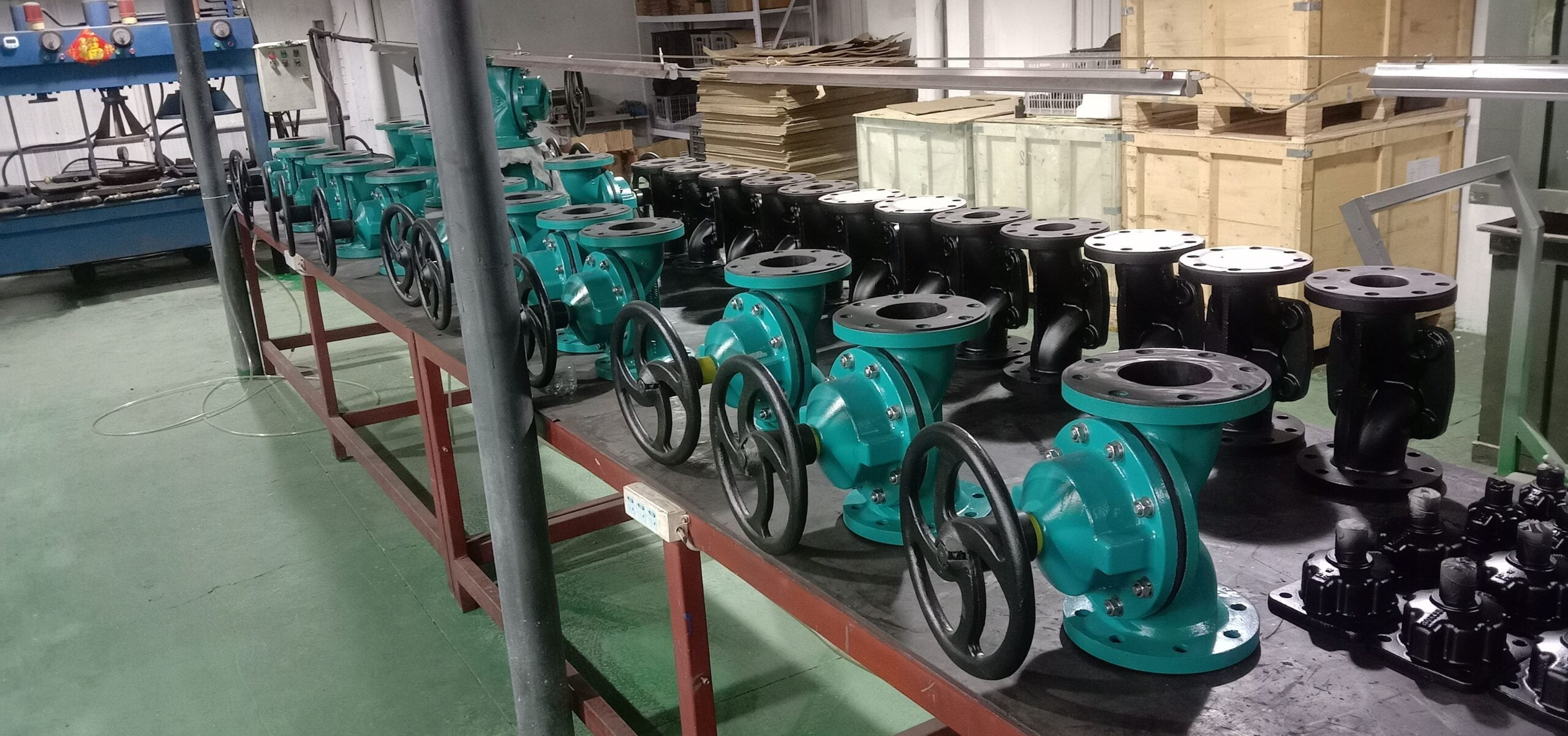
Do harsh chemicals and abrasive slurries destroy your fluid control systems? Frequent breakdowns cost money. Butyl-lined diaphragm valves1 solve this problem by providing tough, reliable protection.
Butyl-lined diaphragm valves1 provide reliable flow control for abrasive and chemically corrosive media. They resist erosion, wear, and chemical attacks. These valves offer an efficient non-metallic solution to protect pumps and ensure safe, non-stop operation in mining, water treatment, and chemical industries.
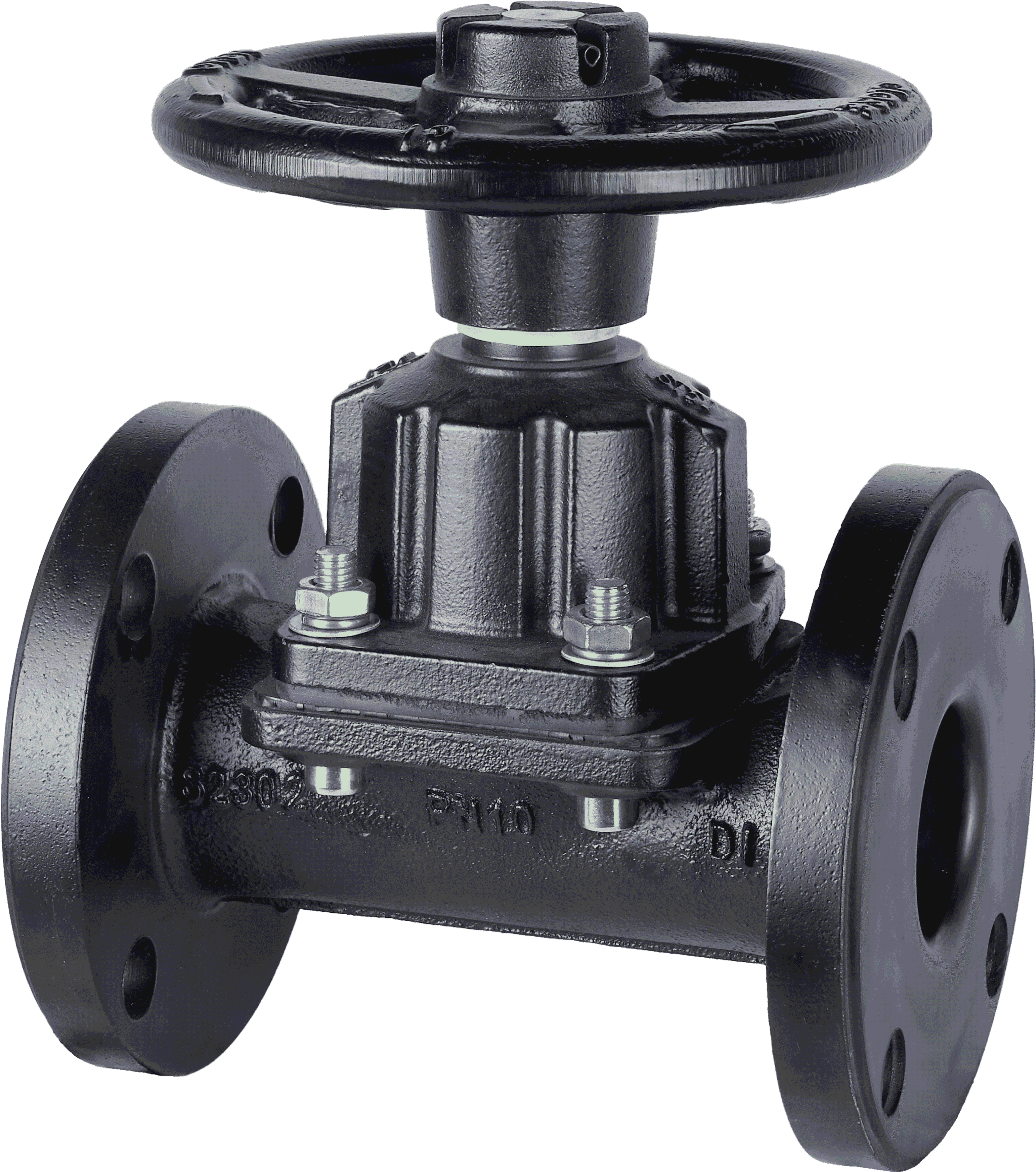
You might think any rubber valve can handle tough industrial jobs. But if you pick the wrong material, you will soon face leaks and costly repairs. Let me explain why butyl rubber changes everything.
Why is Butyl Rubber Material Important for Your Valves?
Are your metal valves rusting and failing quickly? Replacing corroded valves hurts your maintenance budget. Butyl rubber creates a tough barrier that stops corrosion and wear completely.
Industry experts value butyl rubber for its chemical resistance, flexibility, and wear resistance. It easily handles slurries, fluids with high sand content, and highly corrosive low-pH media. The rubber lining fully isolates the process fluid from the metal valve body to prevent damage.
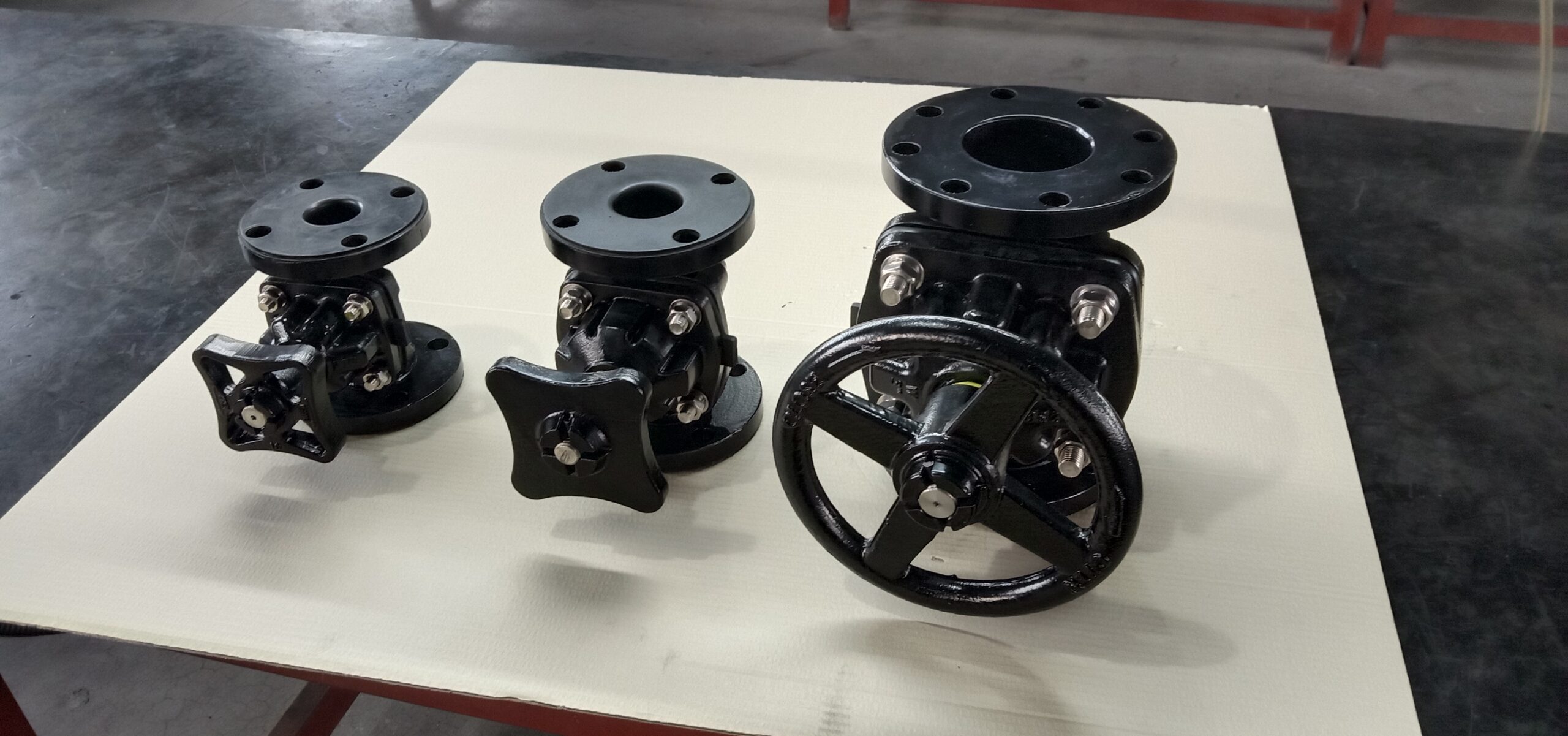
When I talk to factory managers, they often ask me how to deal with fluids that contain sand or easily form scale. Standard metal valves corrode quickly in these conditions. Butyl rubber solves this exact problem. It provides excellent sealing performance and wear resistance. This means fluids keep flowing without stopping, and you do not need to fix the valves as often. At STABLE, we use high-quality butyl rubber linings inside our Cast Iron (CI) and Ductile Iron (DI) valve bodies. We use mechanical lining technology to make the internal surface seamless and smooth. This gives the valve a better appearance and better performance. Let us break down the specific benefits of butyl rubber compared to other materials.
| Feature | Butyl Rubber Lining | Standard Metal Valve |
|---|---|---|
| Chemical Resistance | Very high against acids and alkalis | Low, rusts quickly in low-pH media |
| Wear Resistance | Absorbs impacts from sand and slurries | Scratches and wears down easily |
| Flexibility | Bends and seals tightly | Rigid, poor sealing with solid particles |
| Cost over Time | Low, due to fewer replacements | High, requires frequent replacements |
Our new molds and shell molding casting process ensure that every valve body has high dimensional accuracy and fewer casting defects. This strong metal body, combined with the flexible butyl lining, gives you the best of both worlds. You get the strength of iron and the chemical resistance of rubber.
How Do These Valves Perform in Real-World Applications?
Do you worry about valve failures stopping your entire production line? Unplanned downtime ruins your schedule. Real-world projects show that our valves keep systems running smoothly.
In a recent project, we supplied 10 pieces of DN150 butyl-lined diaphragm valves with pneumatic actuators2 for high-solid processing. These automated valves provided exact shut-off and reduced downtime. Similarly, our DN200 valves safely handle large volumes of corrosive media in Middle Eastern pipelines.
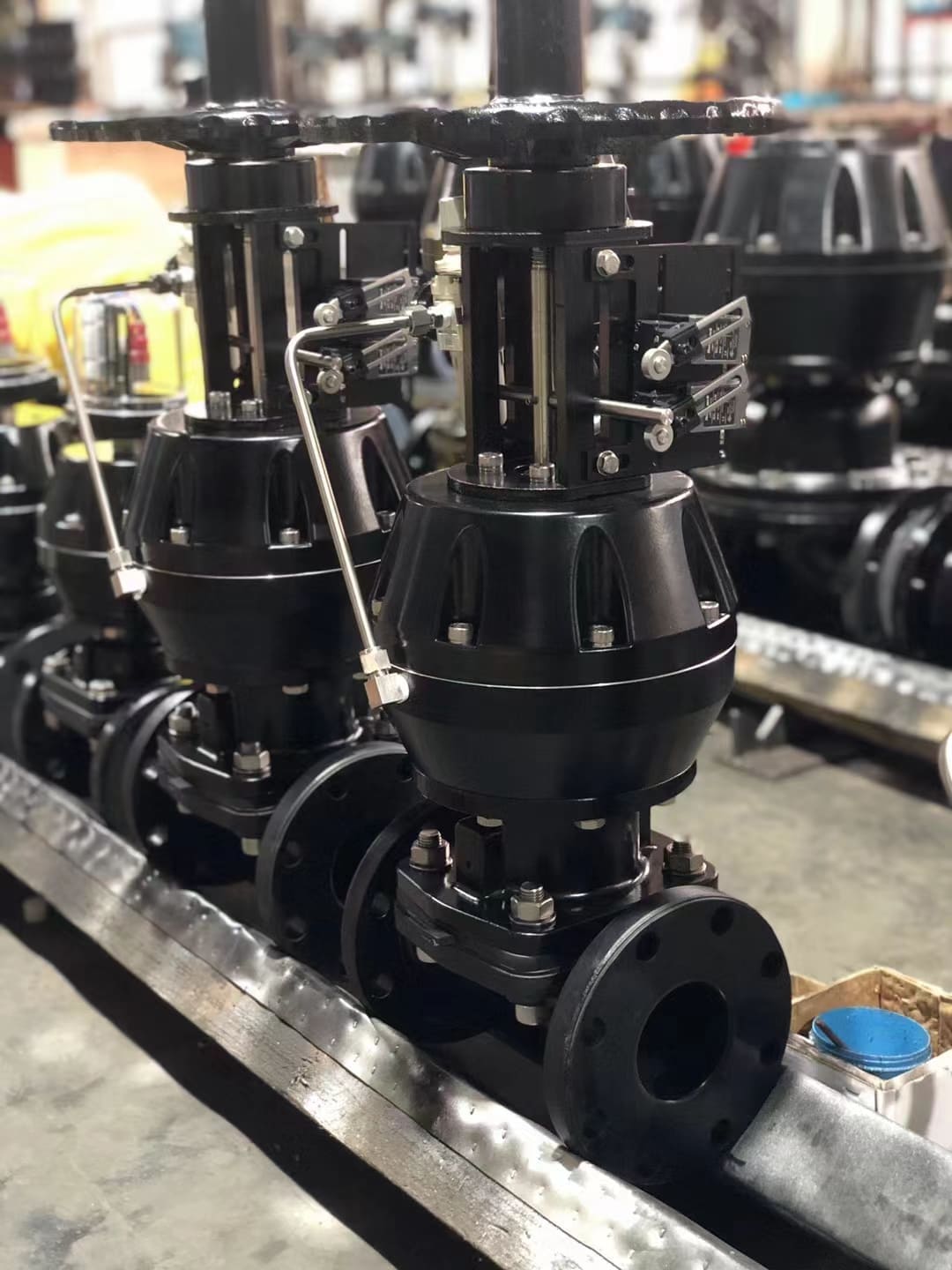
I remember working with a client in the Middle East. They needed to move a massive amount of corrosive fluid through their pipelines. They were worried about leaks and pressure drops in a harsh desert environment. We provided them with our large-diameter DN200 butyl-lined diaphragm valves. These valves easily delivered high flow rates while keeping a perfect seal. In another case, a customer needed automated control for a system that processed materials with high solid content. We gave them DN150 valves fitted with pneumatic actuators. This setup combined extreme wear resistance with smart automation. The customer got precise control and almost zero downtime.
| Application Area | Valve Size | Actuator Type | Key Benefit |
|---|---|---|---|
| Middle East Pipelines | DN200 | Manual | High flow rate, handles harsh corrosive media |
| High-Solid Processing | DN150 | Pneumatic | Precise automation, resists wear from solids |
| Mining Operations | Various | Manual/Pneumatic | Tough barrier against abrasive slurries |
| Chemical Plants | Various | Pneumatic | Safe handling of acid by-products |
We only operate in the B2B market, and our core focus is custom manufacturing and large-volume supply. Because we control the entire process from design to mass production, we can deliver a full container in just 35 to 45 days. This is much faster than many other suppliers. We make sure every valve meets strict quality standards before it leaves our factory in China.
How Does the Valve Design Protect Your Pumps?
Are your expensive pumps wearing out too fast? Replacing pump seals and impellers costs thousands of dollars. The right valve design protects your pumps from damage.
When abrasive media flows through a system, the pump is usually the first part to break. Poor valve choices cause early wear on pump parts. Our weir-type diaphragm valves3 create smooth, controlled flow. This reduces turbulence and internal friction, extending the life of your pumps.
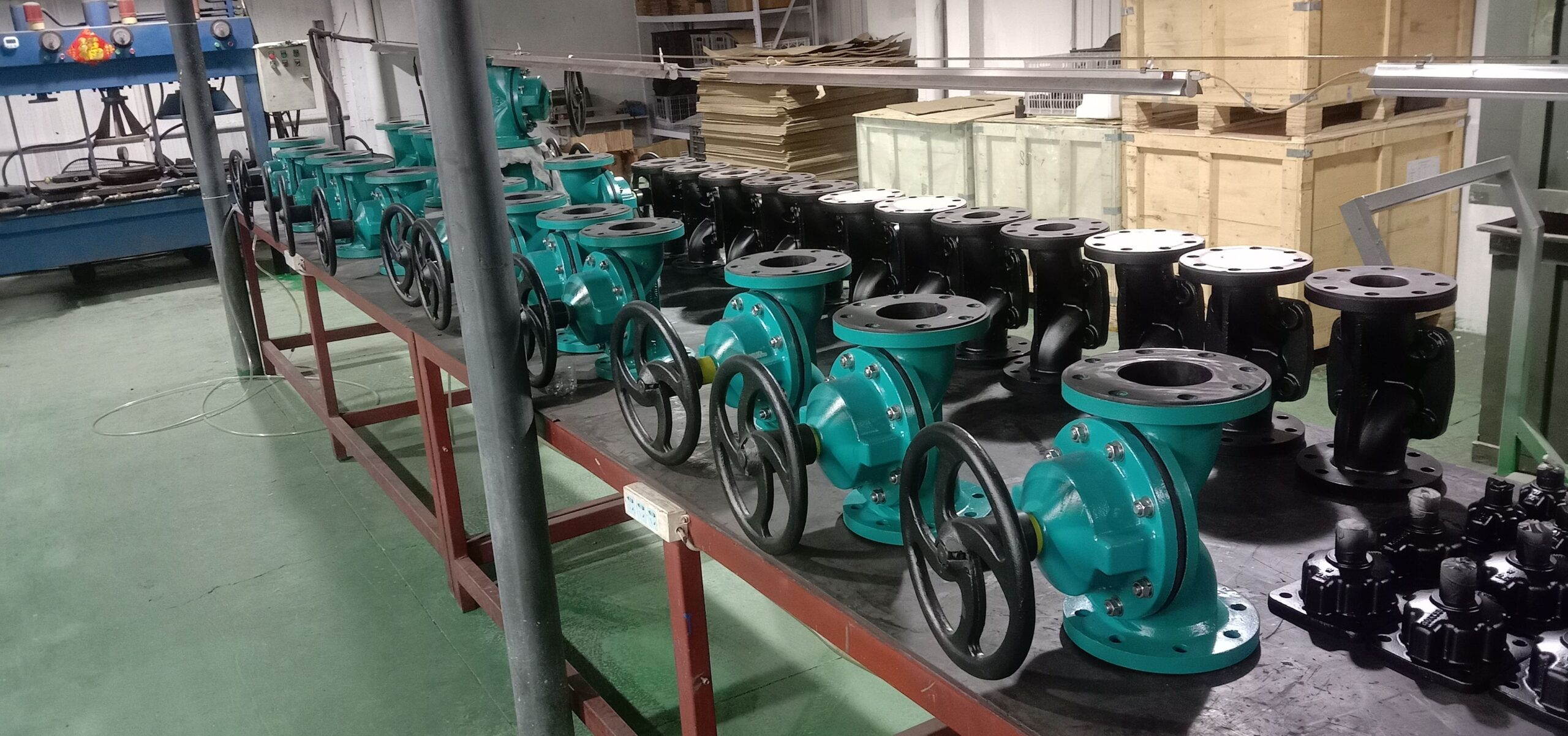
A pump is the heart of your fluid system. When you move abrasive slurries, turbulence inside the pipes can destroy the pump impellers and seals. Our STABLE weir-type diaphragm valves3 help calm the flow. They provide a controlled, smooth flow path that minimizes backflow and turbulence. By isolating the harsh media from the working parts of the valve and the pump, you reduce friction. This means your pumps do not have to work as hard, and they last much longer.
| System Component | Risk with Poor Valves | Protection with Butyl Diaphragm Valves |
|---|---|---|
| Pump Impeller | Wears out quickly from turbulence | Smooth flow reduces impacts and wear |
| Pump Seals | Breaks down from backflow pressure | Exact shut-off stops backflow damage |
| Valve Actuator | Media leaks and destroys moving parts | Diaphragm fully isolates media from actuator |
| Maintenance Budget | High costs from replacing pump parts | Lower costs due to longer equipment life |
You can also easily connect our valves to pneumatic and electric actuators. This allows them to fit perfectly into modern automated systems. In process environments where speed and accuracy are critical, this seamless integration is a huge advantage. Our pneumatic diaphragm valves respond quickly and safely. They ensure that your pumps start and stop under the best possible conditions. This level of protection is why international brands and distributors choose our products to expand their own lines.
Why Do These Valves Offer Low Maintenance and High Value?
Do complex valve repairs waste your maintenance team's time? Long repair times cause huge profit losses. Our simple, durable design makes maintenance fast, easy, and cheap.
STABLE diaphragm valves use highly durable butyl rubber diaphragms and a very simple structure. This design keeps maintenance needs extremely low. When you do need to fix them, you can replace the diaphragm quickly. The modular design also makes it easy to change or upgrade the actuators.
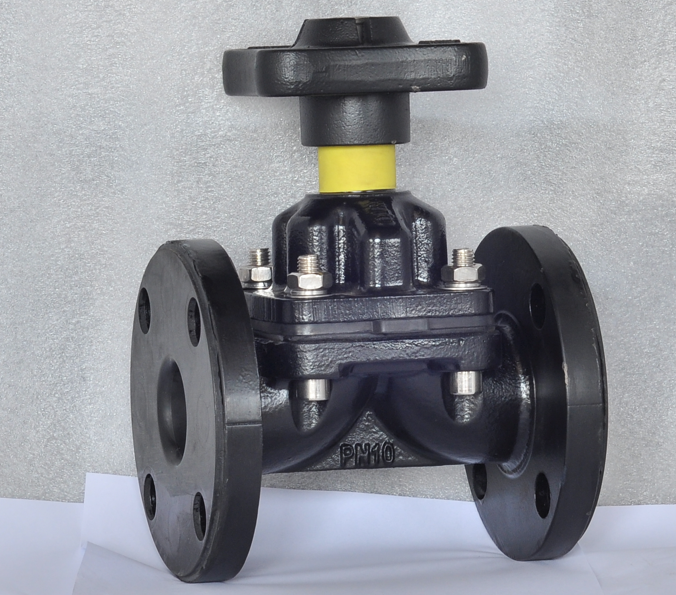
Factory managers always tell me they want to lower their total cost of ownership. They operate under tight budgets and strict time limits. Every minute a machine stops, the factory loses money. This is where our valves provide the most value. Because the design is simple, your workers do not need special tools or long training to fix them. You just take off the top cover, swap the old rubber diaphragm for a new one, and put the cover back. The valve body stays in the pipeline the whole time.
| Maintenance Factor | Complex Valves (e.g., Ball/Gate) | STABLE Diaphragm Valves |
|---|---|---|
| Repair Time | Long, requires removing the whole valve | Short, body stays in the pipeline |
| Parts to Replace | Many moving parts, seats, and seals | Only the rubber diaphragm |
| Skill Needed | High, requires trained technicians | Low, simple and easy to learn |
| Actuator Upgrades | Difficult and often requires new valves | Easy modular swaps (manual to pneumatic) |
We provide complete OEM and ODM services. This means we help you from the first idea all the way to mass production. We offer standard products and fully customized solutions. Whether you are a wholesaler looking for a stable supply or an e-commerce seller wanting different products, we have flexible models for you. Our factory-level reliability ensures you get high-quality valves that keep your maintenance costs low and your asset availability high.
Conclusion
Butyl-lined diaphragm valves1 offer tough, low-maintenance protection for abrasive and corrosive systems. They extend pump life, ensure safe flow control, and provide great value for demanding industrial applications.