
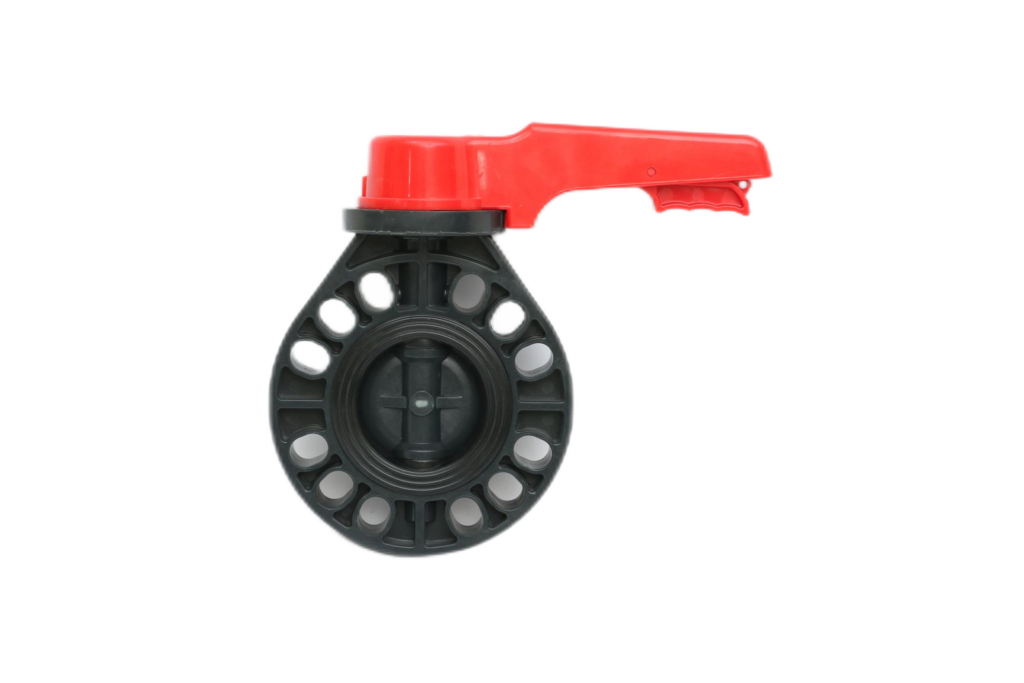
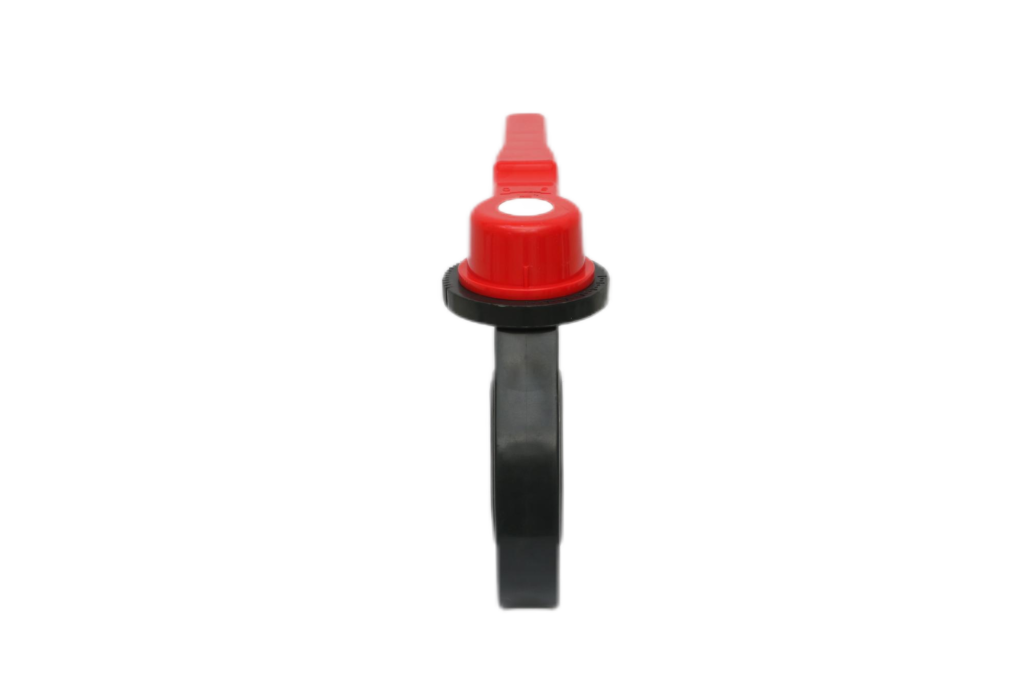
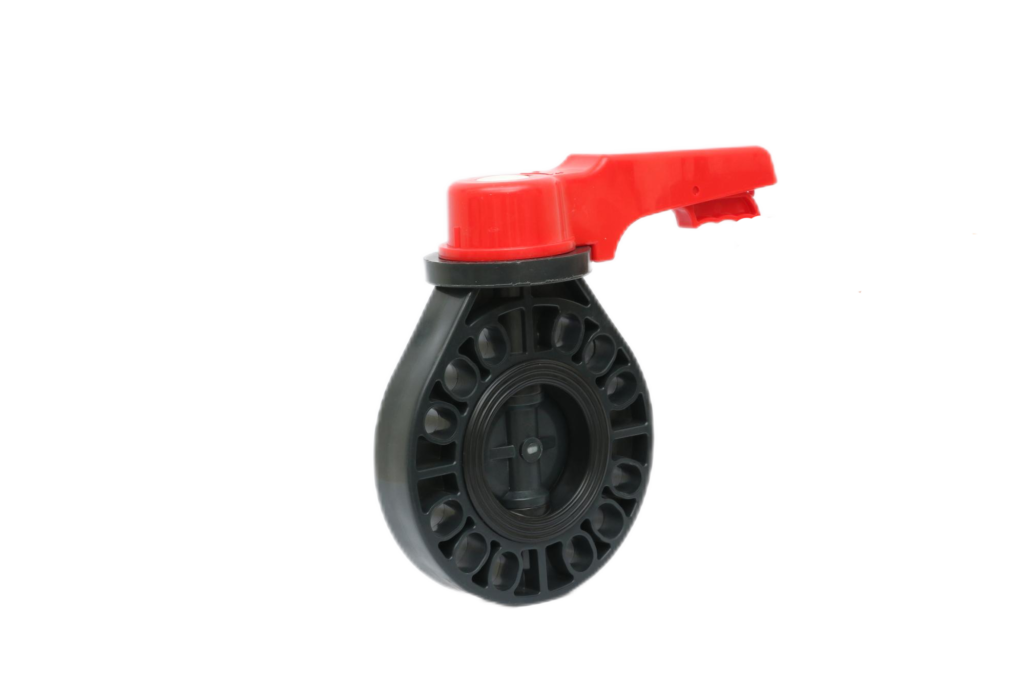
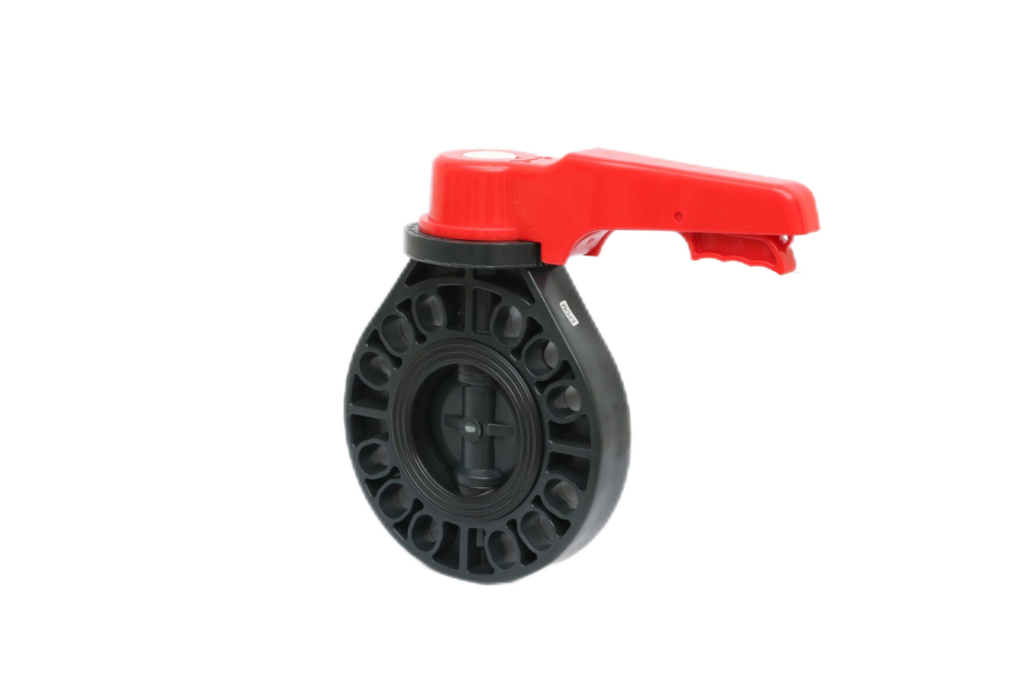
A butterfly valve controls the flow of fluid or gas through a circular disk known as the butterfly. The disk is mounted on a rotating shaft: when the valve opens, the disk turns perpendicular to the flow direction, allowing passage; when closed, the disk aligns parallel to the flow, blocking it.
These valves are commonly used across industrial, commercial, and residential settings—including water treatment plants, irrigation systems, HVAC installations, and gas pipelines. They are recognized for their durability, cost-effectiveness, and straightforward maintenance. Their relatively compact and lightweight design also makes them suitable for installations where space is limited.
Butterfly valves are available in various materials—such as cast iron, stainless steel, aluminum, and plastic—to suit different applications. Operation can be manual or automated via actuators. Common design types include wafer, lug, and double-flanged configurations, each offering distinct functional features. They can also be categorized by disk shape and shaft sealing method.
In comparison with other valve types, butterfly valves generally exhibit a lower pressure drop, which makes them well-suited for applications involving moderate flow rates and relatively low system pressures. fluid or gas in the pipeline.
1. The valve is small and light, easy to disassemble and repair, and can be installed at any position.
2. The structure is simple & compact, and the operating torque is small, and the 90° rotation is opened quickly.
3. The flow characteristics tend to be straight and the adjustment performance is good.