
Do corrosive fluids1 destroy your regular valves? Frequent leaks cost you money and cause long system downtime. Stainless steel weir-type diaphragm valves solve this fluid control problem easily.
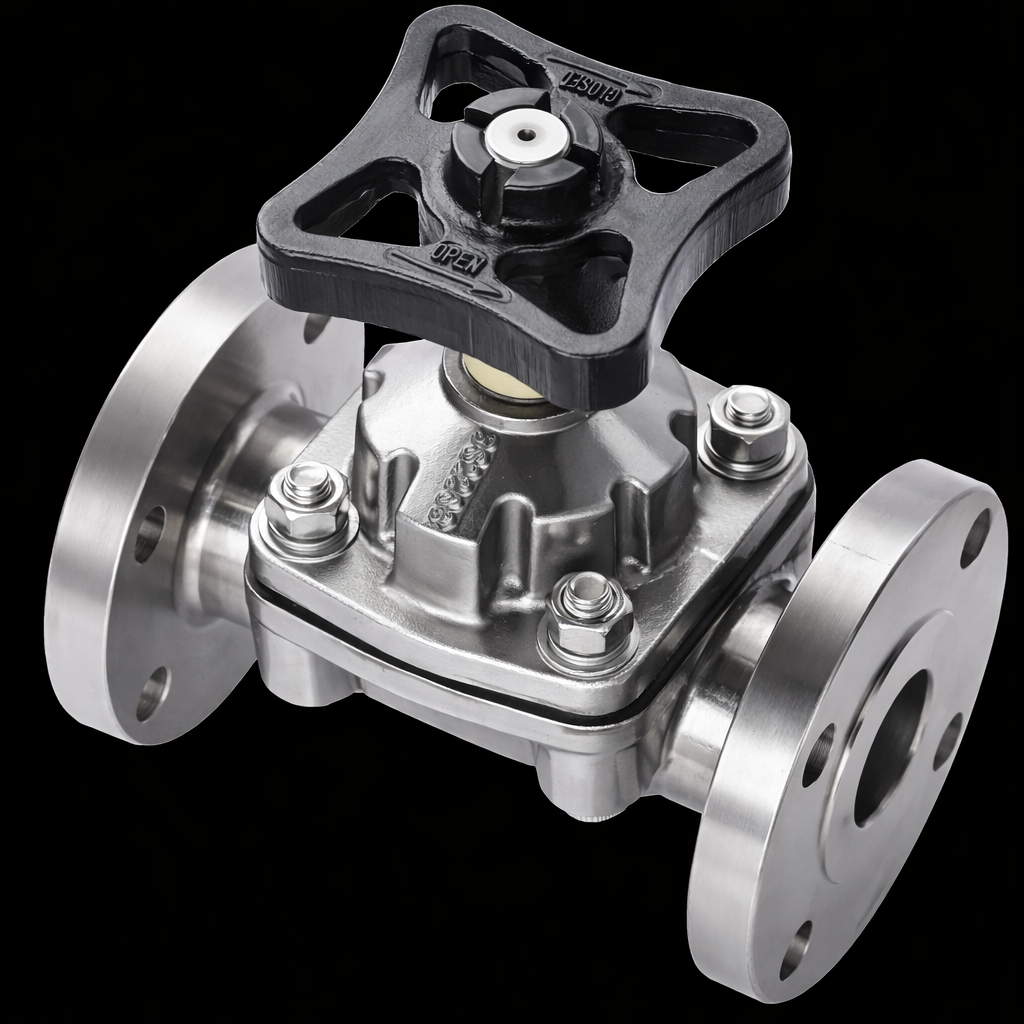
Stainless steel weir-type diaphragm valves offer precise flow control2 and high corrosion resistance3. Their unique design isolates the fluid from the valve mechanism. This setup prevents contamination and stops leaks. Engineers choose them for water treatment and harsh chemical processes to reduce downtime.
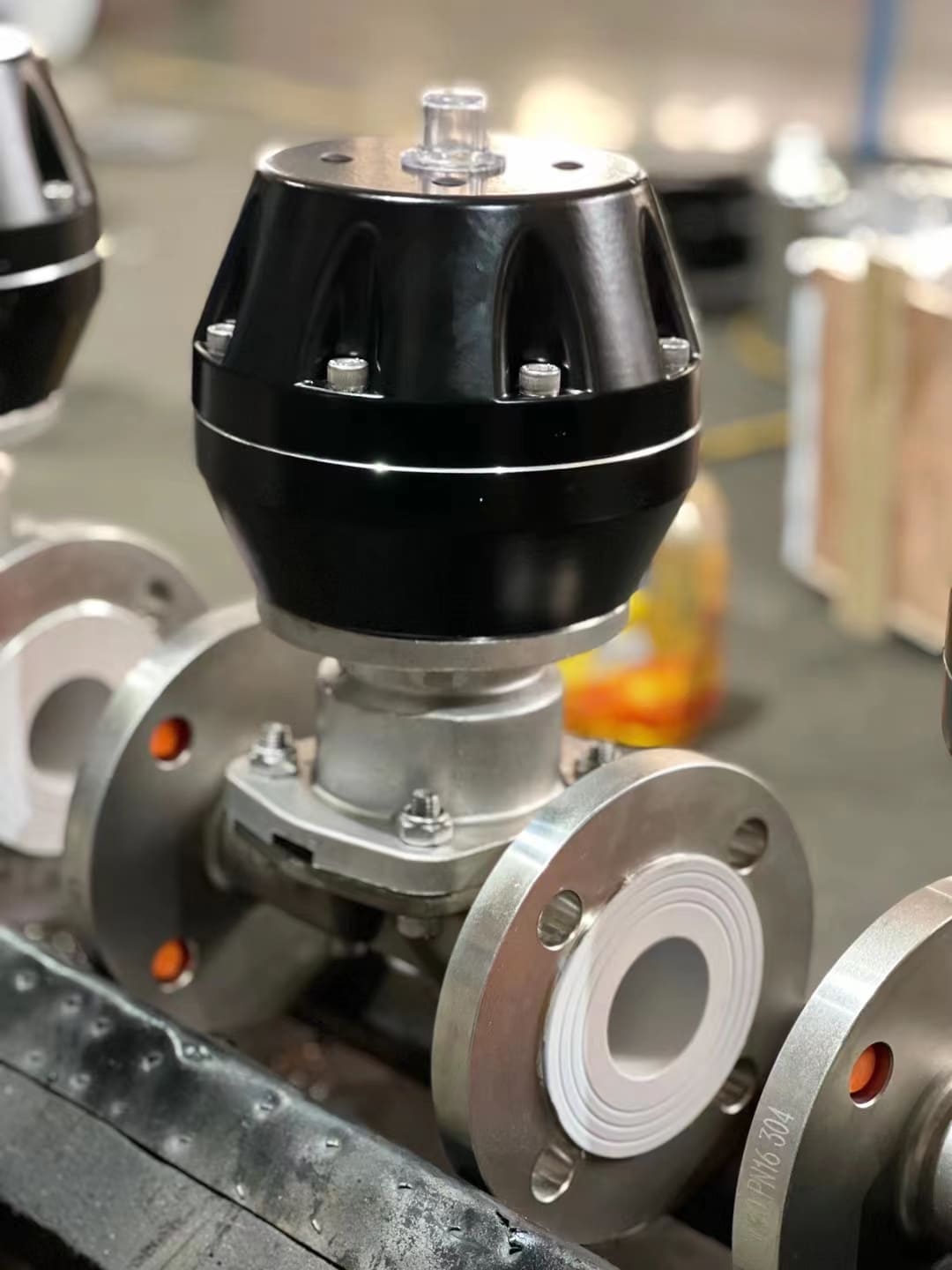
You might think all valves are the same, but the wrong choice will ruin your pipeline. As a professional manufacturer with years of experience, I see many buyers make bad choices. They buy cheap valves and pay a heavy price later. We focus only on large-volume supply and custom manufacturing. We want to help you build better products for your market. Let me show you why this specific valve design changes everything for your process systems.
What are the key technical specifications for installation?
Installing the wrong valve causes immediate failures. You waste time searching for compatible parts. Knowing the exact technical specifications prevents these costly installation mistakes.
These weir-type diaphragm valves follow the EN558-1 Series 1 standard4. The valve body uses 316 stainless steel5 for strong corrosion resistance3. They work at PN10 to PN16 pressures and handle temperatures from -10°C to +120°C. You can choose EPDM6, PTFE7, or rubber linings8.
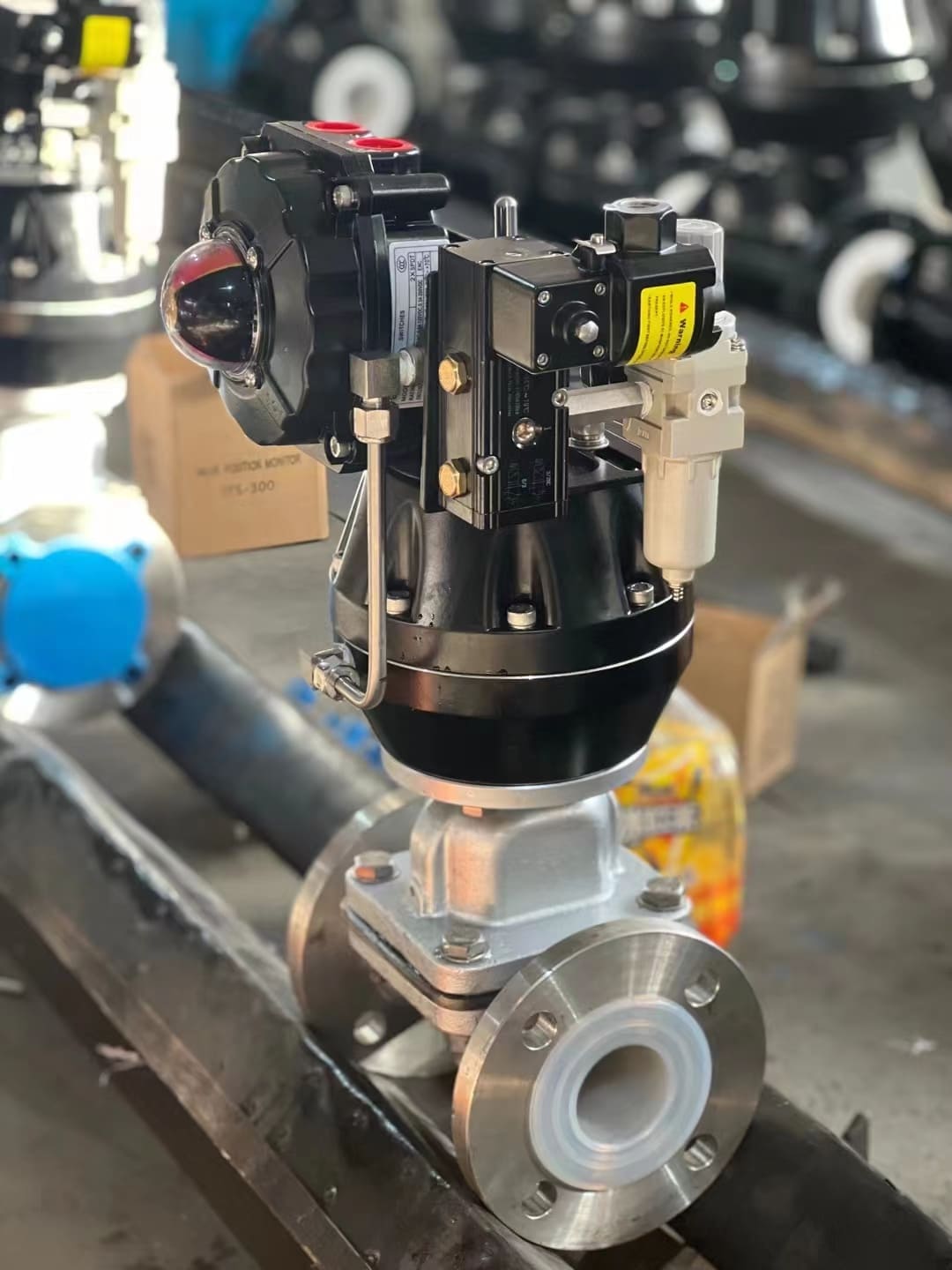
Understanding Material Compatibility
I remember a client who used standard cast iron valves for a highly acidic process. The valves failed within weeks. We replaced them with our 316 stainless steel weir-type diaphragm valves9. The difference was huge. Stainless steel provides a very strong defense against pitting and rust. However, the metal body is only half of the story. The lining material matters just as much. We operate exclusively in the B2B market. We do not sell retail. This means we understand the needs of large-scale projects. When you order from us, you get consistent quality across hundreds or thousands of valves.
Choosing the Right Lining
You must match the lining to your specific fluid. When PTFE7 or EPDM6 cannot meet your needs, our weir-type rubber-lined diaphragm valves offer a great alternative. Rubber linings provide excellent flexibility and seal tightly around solid particles in slurries. Let us break down the lining options.
| Lining Material | Best Application | Temperature Range |
|---|---|---|
| PTFE7 | Highly corrosive acids and pure chemicals | -10°C to +120°C |
| EPDM6 | Water treatment and mild chemicals | -10°C to +120°C |
| Natural Rubber | Abrasive slurries and mineral processing | -10°C to +85°C |
By understanding these specifications, you can build a system that lasts for years. We produce these valves in large volumes to ensure you always have the right parts for your projects.
How do these valves apply across process and utility systems?
Limited space and harsh chemicals make piping design hard. A bulky valve will not fit your skid system. Our compact weir-type valves10 fit perfectly into tight spaces.
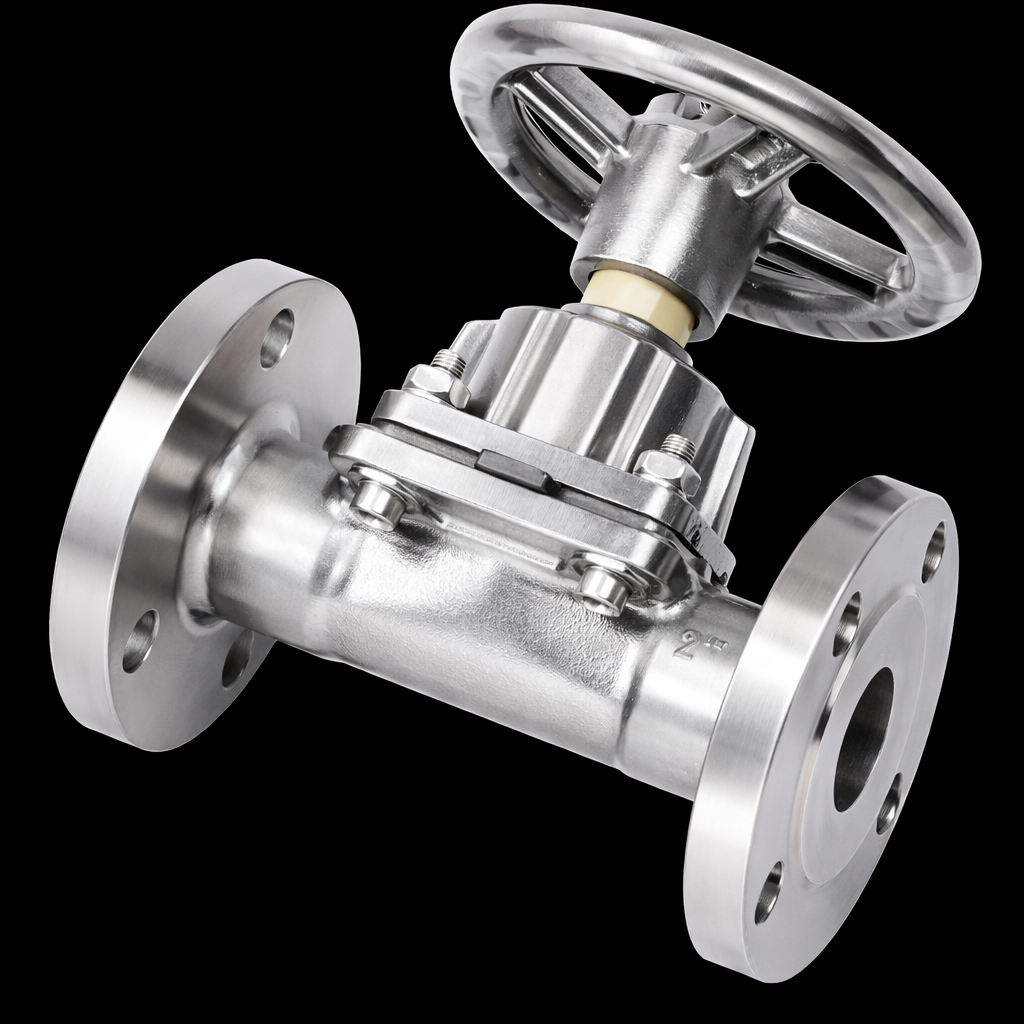
Stainless steel weir valves work well in chemical, water treatment, paper, and mining industries. Their compact size fits tight skid systems, filtration units, and CIP cleaning lines. They handle acids, slurries, and disinfectants safely. The low maintenance design keeps critical flow paths clean.
Versatility in Harsh Environments
A distributor once asked me if one valve type could serve both their chemical plant clients and water treatment buyers. I told them yes. The stainless steel weir-type diaphragm valve is highly versatile. Its corrosion-resistant body and interchangeable diaphragms make it easy to adapt. You can use it for highly corrosive acids today and switch the diaphragm for a mild slurry application tomorrow. We know that international brands need stable supply chains. One full container of our valves can be completed within 35 to 45 days. This speed is three to four times faster than many other suppliers. You will never have to wait long for your inventory.
Integration into Automation
Modern plants need automation. You cannot rely only on manual handwheels. Because of its weir design, this valve requires less travel distance to close. This makes it perfect for automated systems. We offer a full range of manual and pneumatic operation options designed specifically for these weir valves.
| Industry | Typical Application | Key Benefit |
|---|---|---|
| Chemical | Acid and solvent transfer | Zero leakage and high safety |
| Water Treatment | Dosing disinfectants | Precise flow control |
| Mining | Handling abrasive slurries | High wear resistance |
We focus on custom manufacturing. We can help you integrate these valves seamlessly into your specific process pipelines.
What are the design and construction advantages?
Frequent valve maintenance ruins your production schedule. Parts wear out too fast under pressure. The smart weir design reduces movement and extends the life of your equipment.
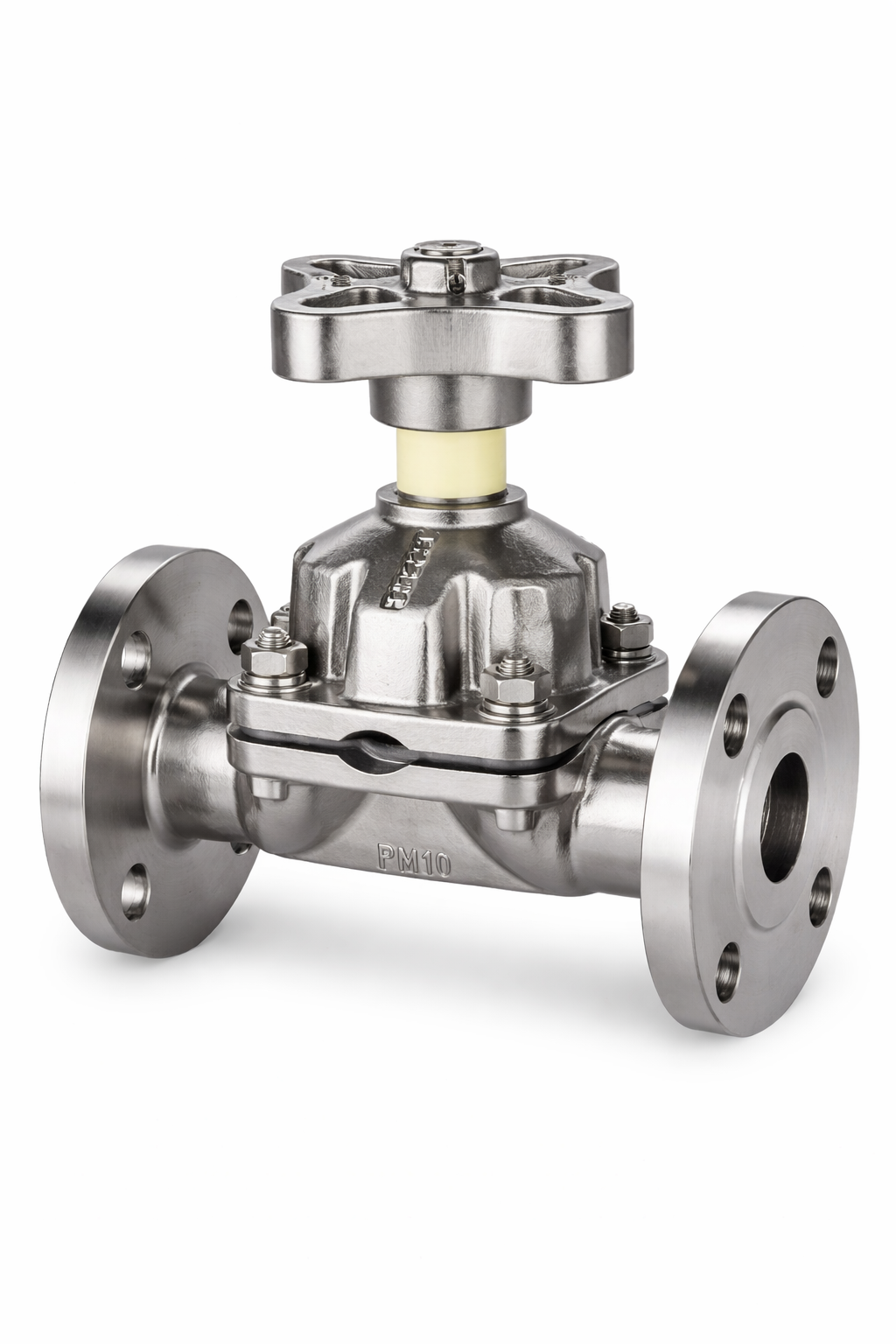
The weir design shortens the movement of the diaphragm. This reduces wear and extends maintenance cycles. The stainless steel body prevents pitting in harsh places. Materials like PTFE7 and rubber ensure strong chemical compatibility and tight seals. This design lowers torque needs for easier operation.
The Power of the Weir Design
Let me explain why the weir shape matters. In a straight-through valve, the diaphragm must stretch very far to close the flow. This stretching causes quick wear and tear. The weir acts like a small bridge inside the valve. The diaphragm only needs to move a short distance to meet this bridge. This simple design change drastically reduces mechanical stress. Compared with other manufacturers, our mechanical lining technology creates seamless and smoother internal surfaces. This gives the valve a superior appearance and better performance. We also use a shell molding casting process. This process results in fewer casting defects.
Lower Torque and Easy Maintenance
Because the travel distance is short, you need less force to close the valve. This lower torque requirement means your pneumatic actuators11 experience less strain. If you use manual valves, your operators will find them much easier to turn. Furthermore, you can replace the diaphragm without removing the whole valve body from the pipe.
| Design Feature | Direct Result | Long-term Benefit |
|---|---|---|
| Raised Weir | Shorter diaphragm travel | Longer diaphragm lifespan |
| Stainless Steel Body | High mechanical strength | Lower replacement costs |
| Top-entry design | In-line maintenance | Reduced system downtime |
We use all-new molds for our valves. This guarantees a refined appearance and excellent dimensional accuracy for every piece we produce.
What are the frequently asked questions from engineers?
Choosing a new valve supplier feels risky. You have many technical doubts about performance. Let me answer the most common questions engineers ask us before they buy.
Engineers often ask why 316 stainless steel is ideal. It resists chemical attacks perfectly. They also ask about automation12. Yes, these valves support pneumatic actuators11 and PLC integration. Spare parts like replacement diaphragms are always available. You can fully customize the materials and actuators.
Solving Common Engineering Doubts
When I speak with engineers from international brands, they always want to know about reliability. They ask how our modern weir valves differ from older models. I tell them about our improved sealing profiles and modular actuator mounting. These updates make maintenance much easier and greatly reduce the risk of leaks. We provide complete OEM and ODM services. We handle everything from the first concept to industrial design, tooling, testing, and mass production. Whether you are a wholesaler or an e-commerce seller, we support wholesale supply and private-label branding.
Customization for Your Needs
Another big question is about customization. As an OEM and ODM supplier, we do not just sell standard products. We help you build exactly what your market needs. You can choose specific diaphragm materials based on the fluid pressure and chemical makeup.
| Common Question | Our Direct Answer |
|---|---|
| Is it good for corrosive fluids? | Yes, 316 SS and PTFE7 linings protect wet surfaces. |
| Can I automate this valve? | Yes, pneumatic actuators11 and positioners fit easily. |
| Are spare parts hard to find? | No, we provide a steady supply of spare diaphragms. |
We supply these high-quality valves in large volumes. Our factory-level reliability ensures you get your products fast and without trouble.
Conclusion
Our stainless steel weir-type diaphragm valves9 combine strong chemical resistance with durable construction. They provide reliable fluid control and easy maintenance for your most demanding industrial environments.
Understanding the impact of corrosive fluids can help you choose the right valve for your application. ↩
Learn about flow control mechanisms to optimize your system's efficiency. ↩
Discover materials that enhance valve longevity in harsh environments. ↩
Understanding this standard ensures compliance and quality in valve selection. ↩
Find out why 316 stainless steel is a top choice for durability and corrosion resistance. ↩
Explore the versatility of EPDM in various industrial applications. ↩
Learn how PTFE linings enhance valve performance in corrosive environments. ↩
Understand the advantages of rubber linings for specific fluid applications. ↩
Explore the advantages of these valves for fluid control and corrosion resistance. ↩
Discover how compact designs can optimize space in your systems. ↩
Gain insights into how pneumatic actuators enhance valve functionality. ↩
Explore the benefits of integrating automation into valve systems for efficiency. ↩