
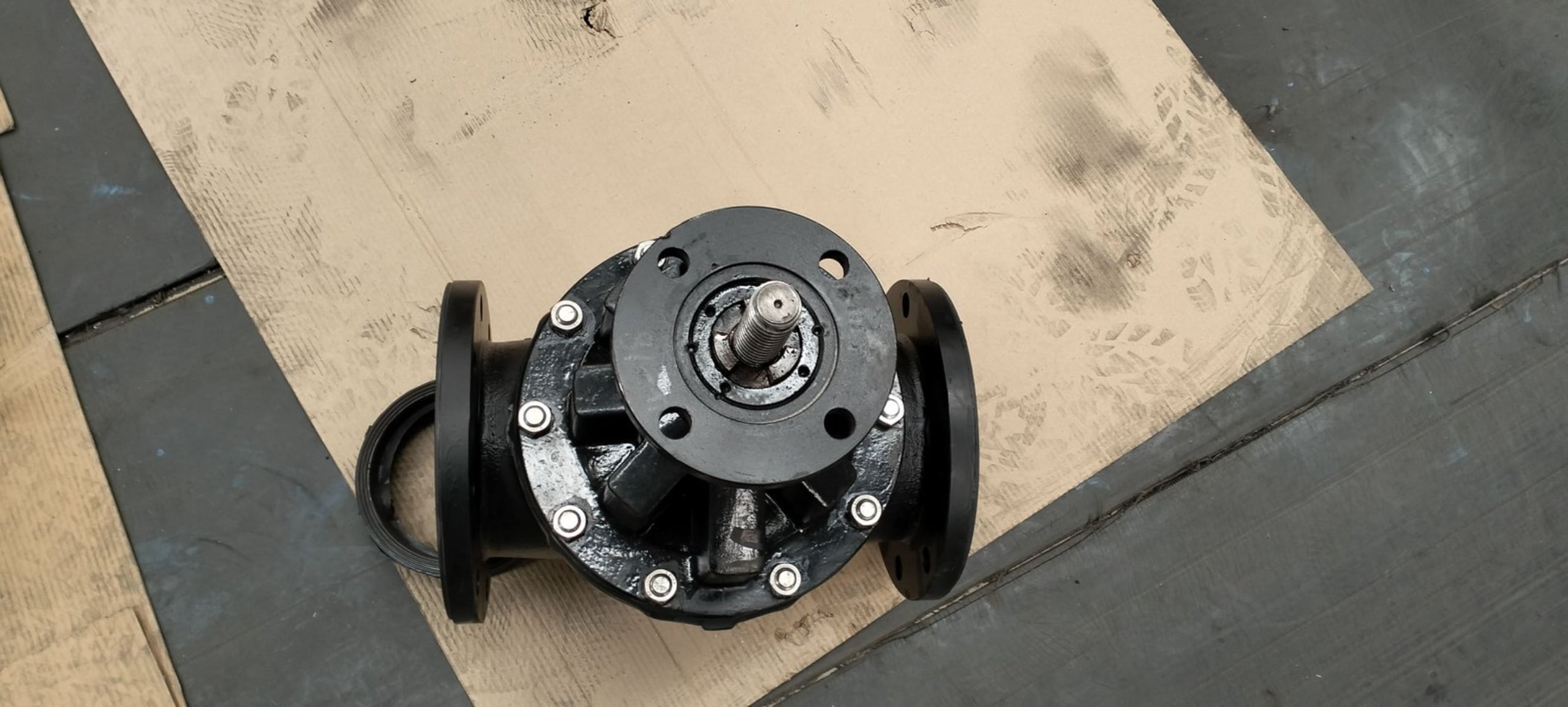
Are your industrial systems struggling with poor flow control? Old valves cause leaks and downtime. I will show you how next-generation diaphragm valves solve these costly problems today.
Next-generation diaphragm valves upgrade your industrial systems by combining smart actuators, real-time sensor integration, and advanced lining materials1. These modern valves give you precise flow control, stop dangerous leaks, and extend equipment life in harsh chemical and water treatment applications.
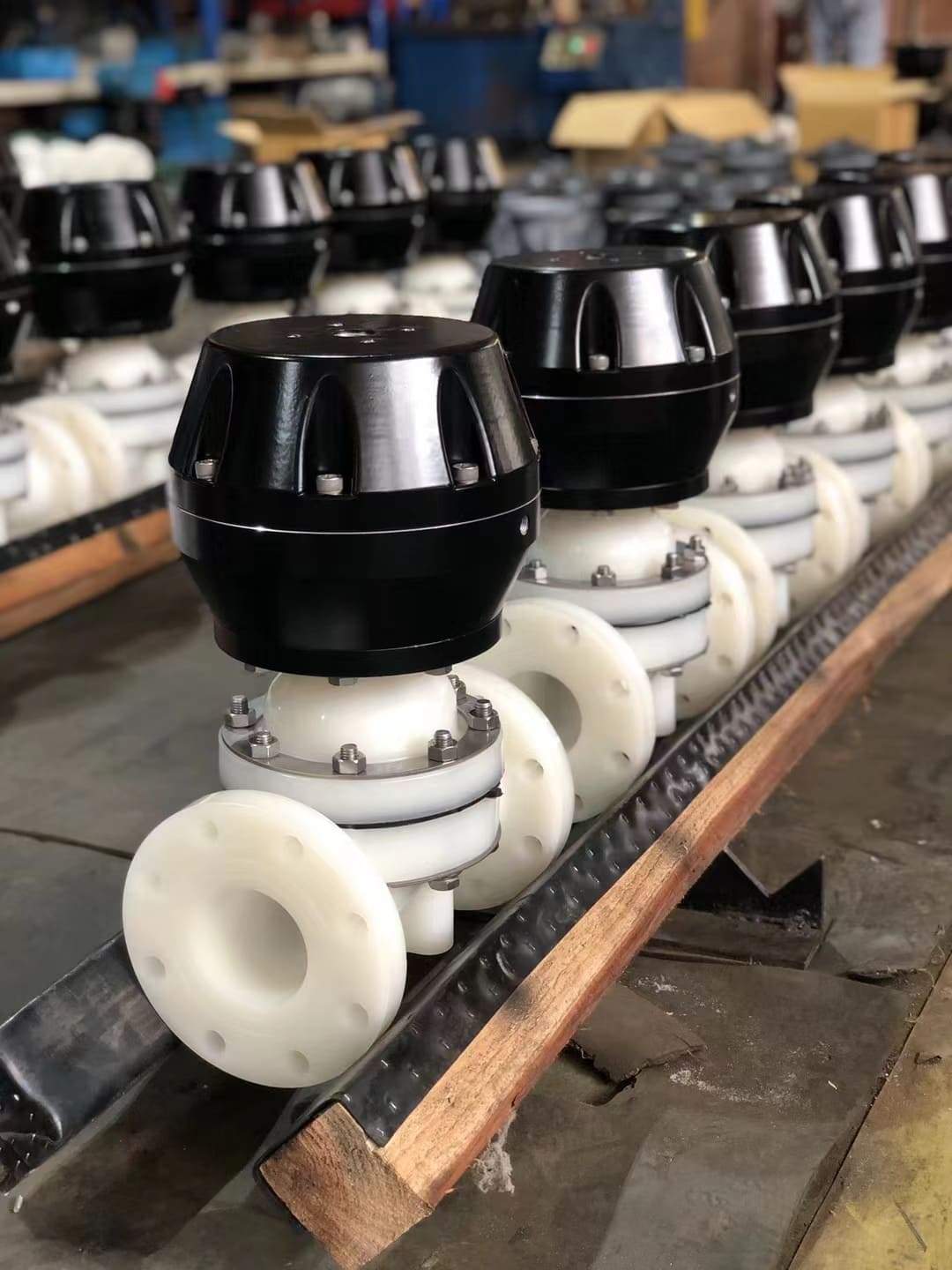
You might think standard valves are good enough for your plant. But sticking with outdated technology will cost you more money and time in the long run. Let us look at the real benefits of smart valve technology.
How Do Actuators Enable Smart Control in Diaphragm Valves?
Manual valve operation wastes time. Human errors lead to dangerous system failures. I use smart actuators to give you safe, fast, and automated control over your pipelines.
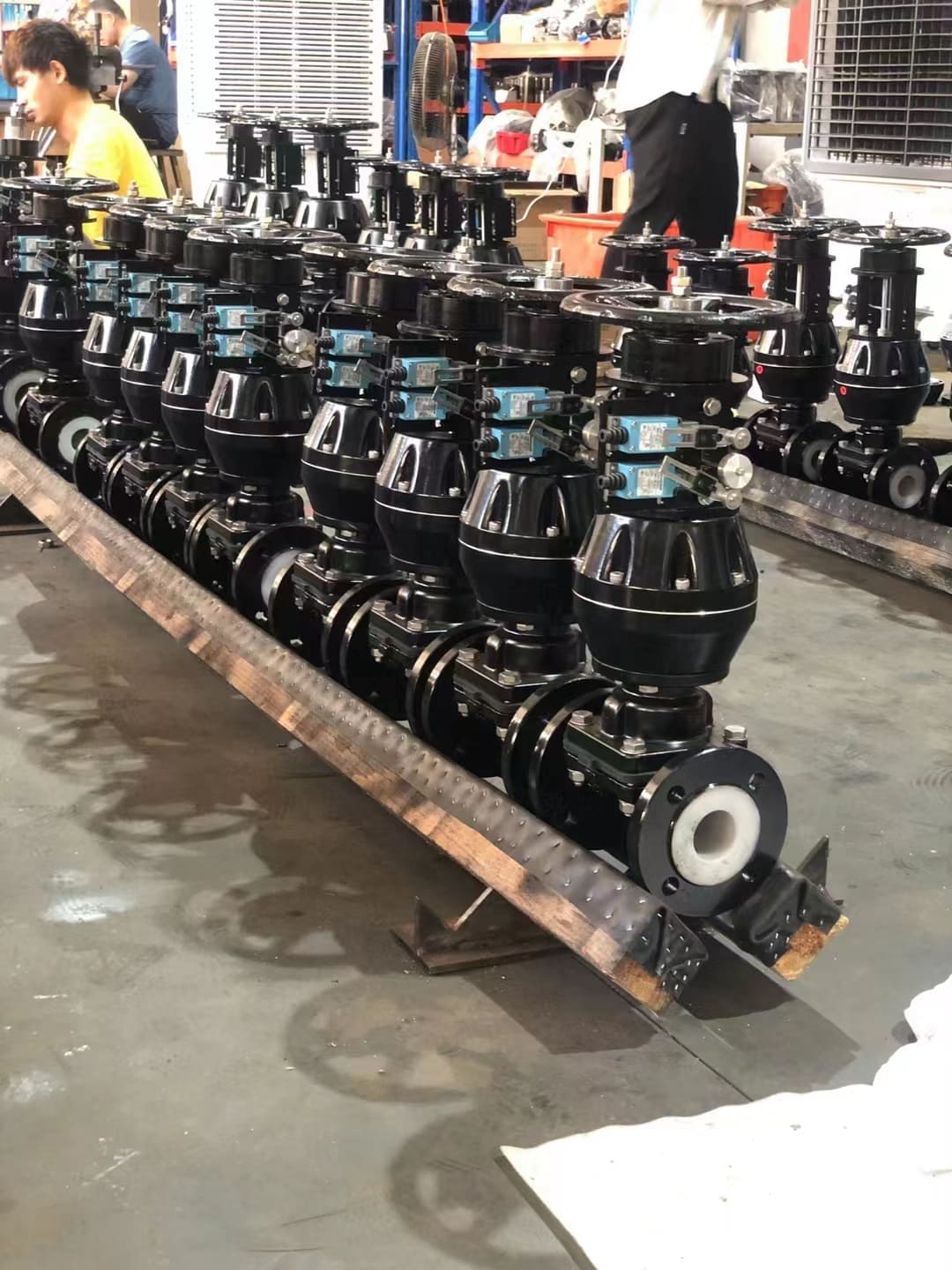
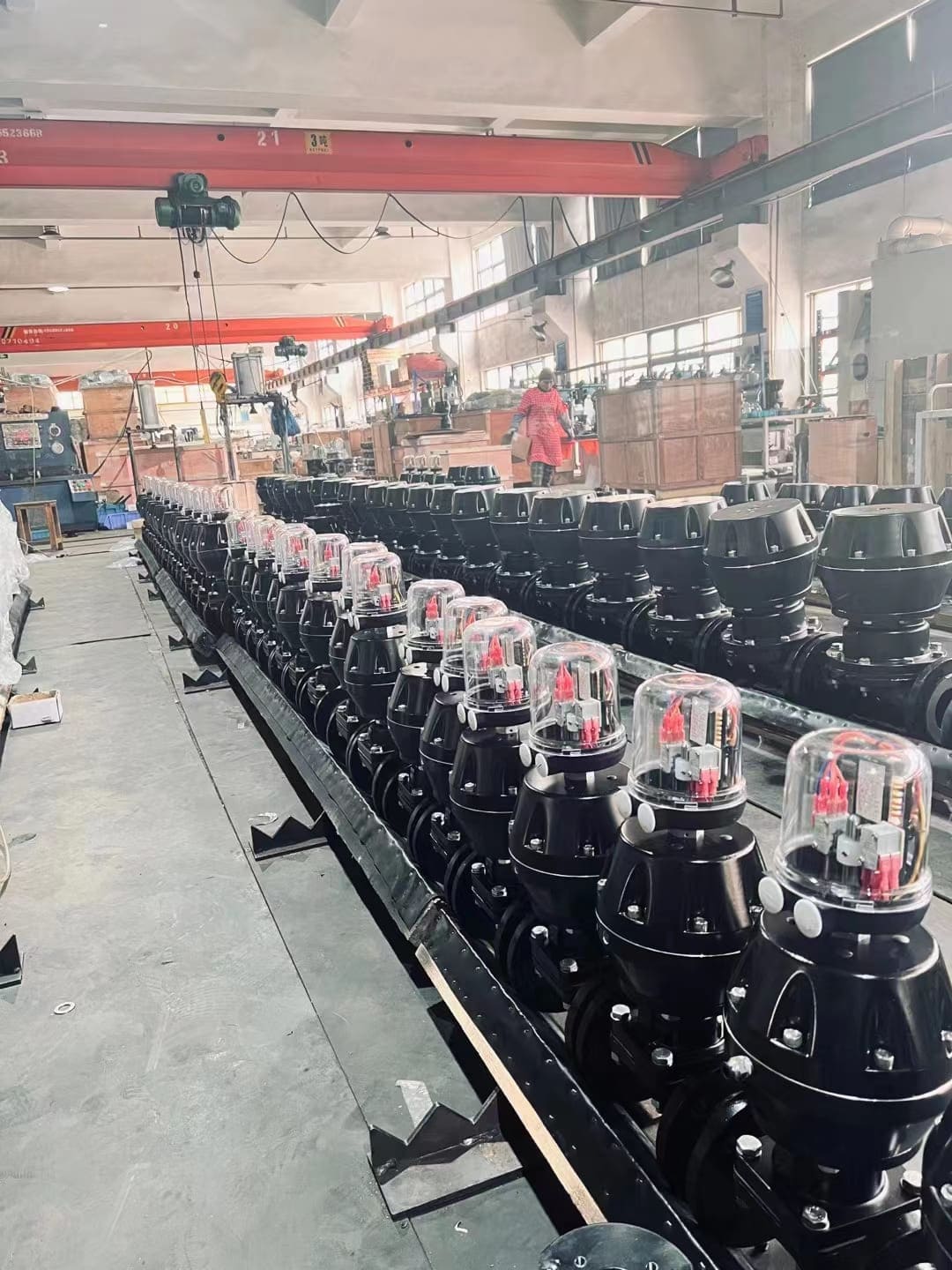
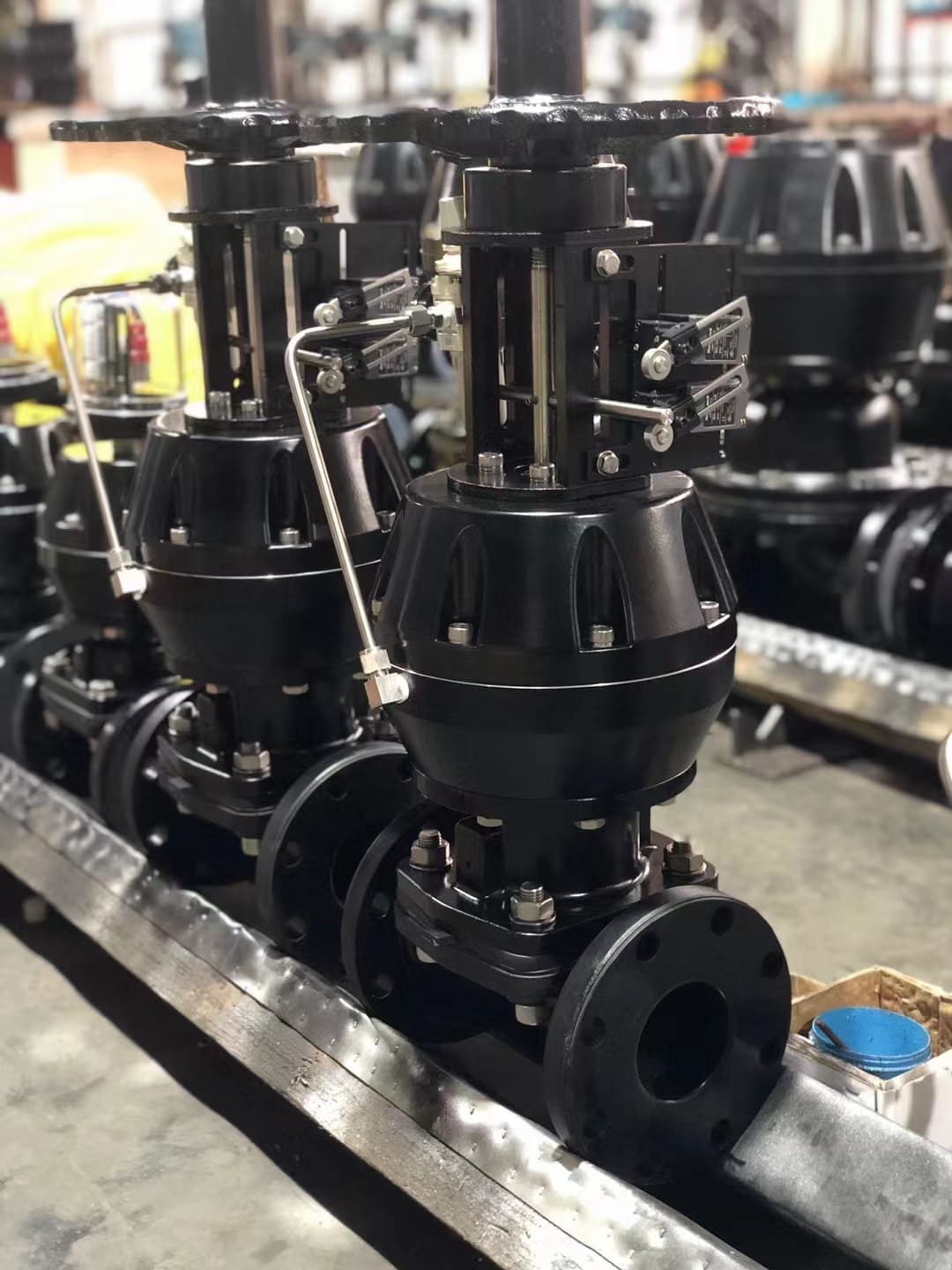
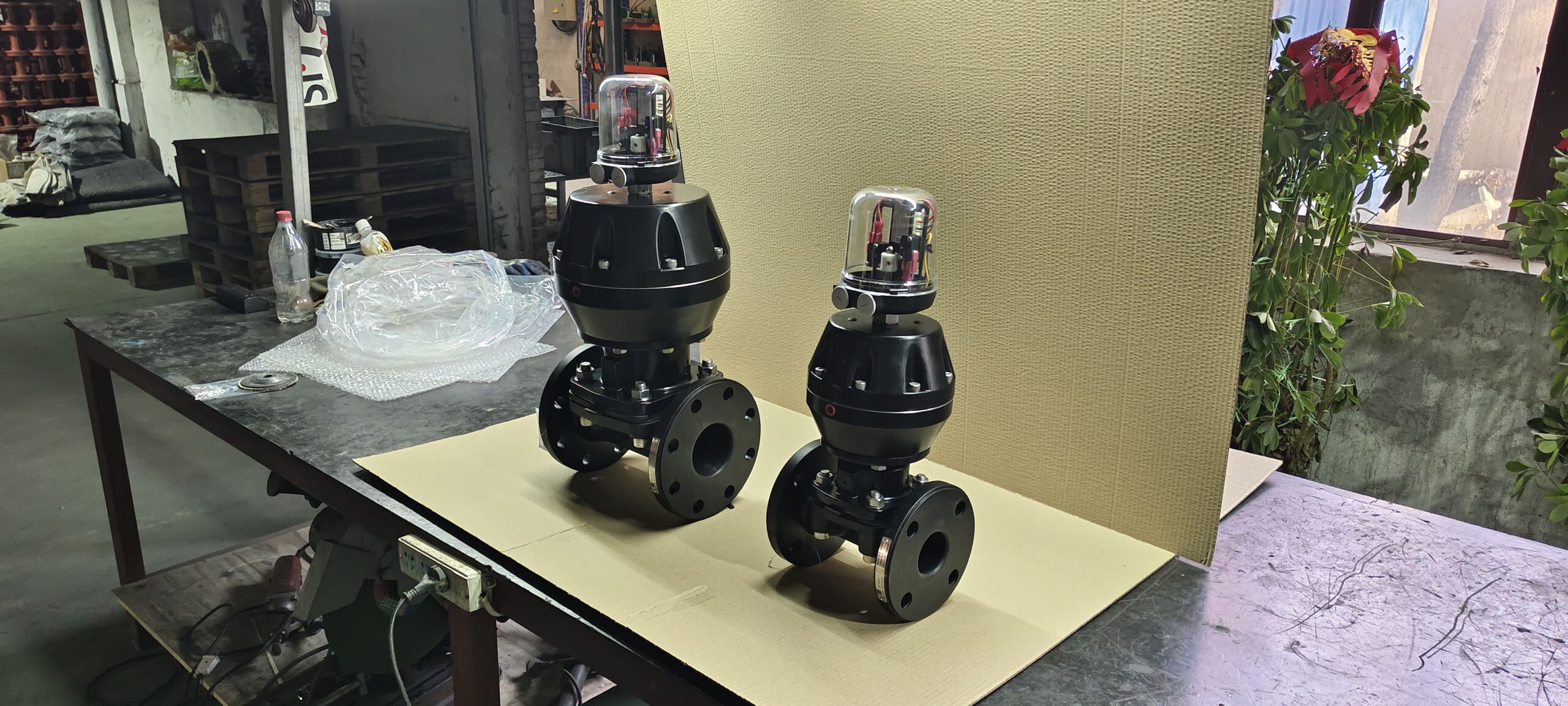
Actuators enable smart control by providing precise flow adjustments and fail-safe operations. We design our STABLE valves to work perfectly with pneumatic actuators. This setup allows you to run remote operations, monitor systems in real time, and build safety interlocks across your chemical and water plants.
The Mechanics of Automated Actuation
I see many factories still using manual handwheels. This old method is slow. You need automation to stay competitive. Pneumatic actuators change how diaphragm valves work. We mount these devices directly on our ductile iron and cast iron valve bodies. They use air pressure to open or close the valve. This removes the need for human workers to walk to the pipeline.
Comparing Manual and Automated Control
You must understand the real differences. I break them down for you in this simple table.
| Feature | Manual Diaphragm Valves | Pneumatic Diaphragm Valves |
|---|---|---|
| Operation Speed | Slow and physical | Fast and automatic |
| Safety Level | Low in dangerous areas | High with fail-safe modes |
| Labor Cost | High | Low |
| Best Use Case | Small, simple pipelines | Large, complex B2B systems |
Why Fail-Safe Matters
Systems fail sometimes. Power goes out. Air pressure drops. Smart actuators have a fail-safe design. Springs inside the actuator push the valve closed. This stops toxic chemicals from leaking. I always tell my OEM clients to choose this option for high-risk areas. You protect your workers. You protect the environment. You save money on cleanup costs. Actuators make your flow control safe and smart.
Why Is Sensor Integration Crucial for System Insights?
Blind operations cause sudden breakdowns. You cannot fix what you cannot see. I add smart sensors to valve systems to give you clear data and prevent sudden stops.
Sensor integration is crucial because it gives you real-time feedback on valve position, fluid temperature, and flow conditions. You use this exact data to plan predictive maintenance, avoid unexpected breakdowns, and build a fully digital factory infrastructure for your industrial plant.
Moving From Guesswork to Data
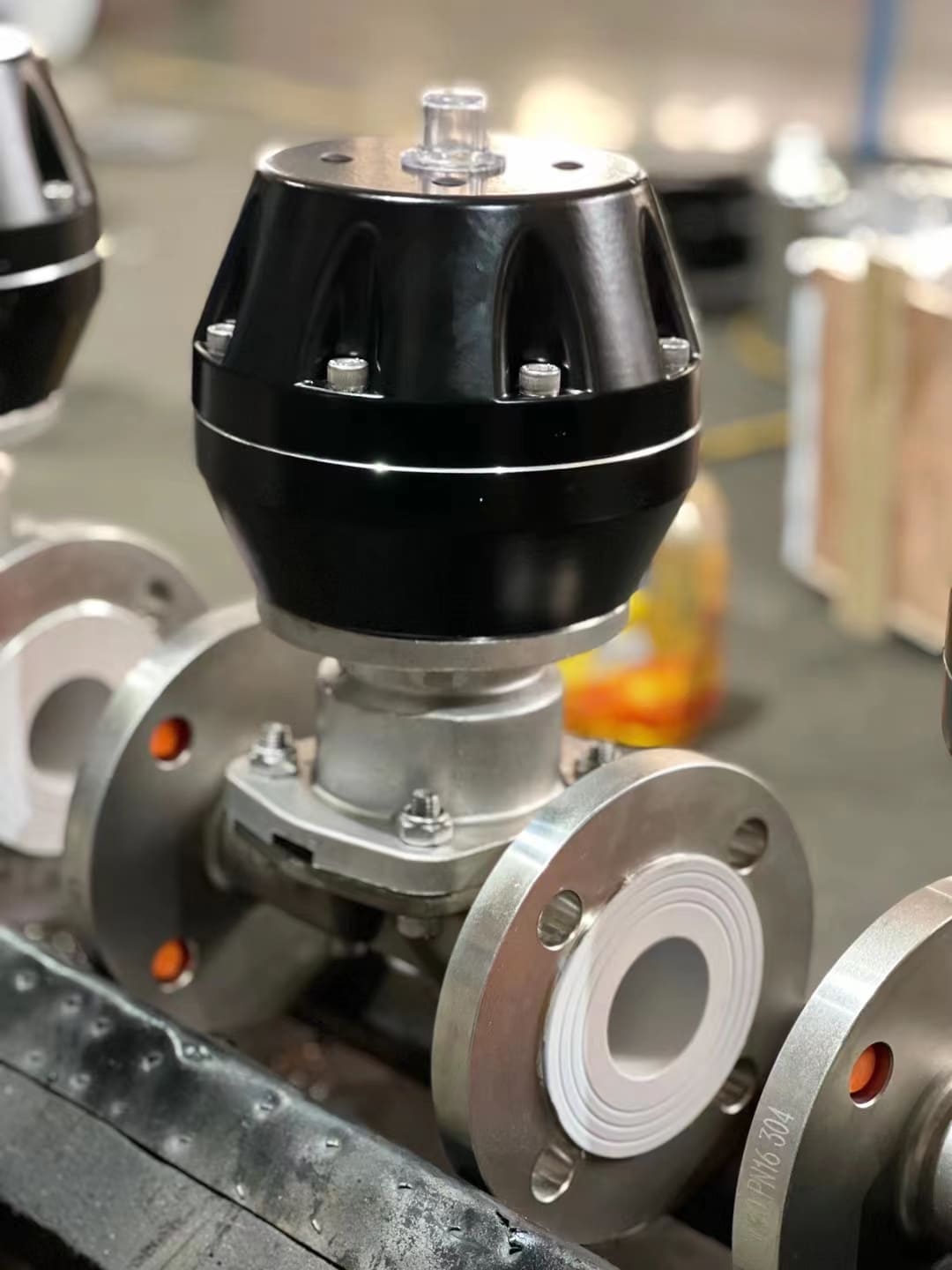
Many plant managers wait for a valve to break. They then stop the whole line to fix it. This reactive method costs too much money. I believe you need proactive solutions. We integrate sensor systems with our STABLE valves. These sensors watch the valve every second. They record how many times the valve opens. They measure the heat of the acid passing through.
The Value of Predictive Maintenance
You can use this data to predict the future. Let us look at how data changes your daily work.
| Maintenance Type | How It Works | Business Result |
|---|---|---|
| Reactive | Fix after breaking | High downtime, lost money |
| Preventive | Fix on a fixed schedule | Wasted parts, unnecessary work |
| Predictive | Fix based on sensor data | Maximum uptime, lowest cost |
Building a Digital Factory
Sensors do more than just watch one valve. They connect your whole factory. The sensors send signals to your main computer. You sit in a safe control room. You see every part of your chemical process on a screen. If a PTFE lining starts to wear out, the system alerts you early. You order a new diaphragm from us. You replace it during a planned stop. This keeps your mass production running smoothly.
What Makes Material Innovation Vital for Valve Durability?
Weak diaphragms tear under high pressure. Corrosive acids destroy cheap materials quickly. I use new material innovations to build tough valves that survive your worst working conditions.
Material innovation is vital because it directly extends the service life of the valve. We use advanced three-layer diaphragms and premium linings like PFA and EPDM. These strong materials resist harsh chemicals, stop dangerous leaks, and endure high pressure cycles in tough industrial applications.
The Power of Three-Layer Diaphragms
The diaphragm is the heart of the valve. It touches the dangerous fluid. It also moves up and down constantly. Old single-layer rubber breaks easily. We fix this problem with advanced three-layer designs. This structure uses a tough PTFE face, a strong fabric middle, and a thick rubber back. This combination bends easily but fights chemical attacks.
Choosing the Right Lining Material
The valve body also needs protection. I cast high-quality ductile iron bodies. We then line the inside with special materials. You must match the lining to your specific fluid.
| Fluid Type | Best Lining Material | Why It Works |
|---|---|---|
| Strong Acids | PFA or PTFE (Plastic) | High chemical resistance |
| Abrasive Slurry | Natural Rubber | Absorbs wear and tear |
| Water Treatment | EPDM (Rubber) | Good basic protection, low cost |
Preventing Leaks in High-Cycle Tasks
Some factories open and close valves hundreds of times a day. We call this high-cycle operation. Weak materials wear out fast here. Our multi-layer seals stay tight. They completely separate the fluid from the iron body and the actuator. This means no metal parts ever touch the acid. You get zero leaks. Your workers stay safe. You do not contaminate your clean process fluids.
How Do Next-Generation Valves Support Multiple Industries?
Every industry has unique and strict rules. One basic valve cannot solve every problem. I customize smart diaphragm valves to meet the exact needs of your specific industry.
Next-generation valves support multiple industries by offering flexible body materials, different linings, and smart actuator options. We customize our STABLE valves to handle harsh acids in chemical plants, abrasive slurries in mining, and clean water in municipal wastewater treatment facilities.
Adapting to Different Environments
I sell B2B valves to many different countries. A power plant in Australia needs different valves than a chemical plant in Europe. You cannot use a one-size-fits-all approach. We build our products on standard platforms like BS 5156. But we change the inside parts for your specific job.
Industry Specific Solutions
Let us examine how we match valve features to different industrial jobs.
| Industry | Main Challenge | Our Valve Solution |
|---|---|---|
| Chemical Processing | Severe corrosion | PTFE lining with smart actuator |
| Power Plants | Abrasive ash slurry | Ductile iron body, hard rubber |
| Wastewater Treatment | Chemical dosing control | EPDM lining, manual handwheel |
| Metallurgy & Mining | High solid content | Thick natural rubber lining |
The Importance of Customization
You need a supplier who understands your exact process. We are an OEM and ODM factory. This means I can design a completely new valve for you. If you need a special flange standard like ANSI 150 or EN PN10, we make it. If your system handles highly corrosive media, we use mechanical lining technology. This makes the inside surface very smooth. A smooth surface stops dirt from sticking. This keeps your system clean and extends the life of the whole pipeline.
What Does the Future of Flow Control Look Like?
Old pipelines waste energy and harm the environment. Modern engineers face strict new safety rules. I believe the future demands valves that are smart, durable, and highly efficient.
The future of flow control balances high performance, strict safety, and green sustainability. Smart diaphragm valves will use better data tracking, stronger eco-friendly materials, and faster automated actuators. We build these next-generation STABLE valves to help you run safer, cleaner, and more profitable industrial plants.
Balancing Performance and Safety
Engineers today have a very hard job. You must push your factory to produce more goods. But you must also keep every worker perfectly safe. In the past, you had to choose between speed and safety. Now, smart flow control gives you both. The new valve technologies work faster. They also monitor themselves to prevent accidents.
The Shift Toward Sustainability
Governments make strict rules about pollution. You cannot let toxic chemicals leak into the ground.
| Goal | Old Valve Problem | Future Valve Solution |
|---|---|---|
| Stop Leaks | Single seals break | Multi-layer diaphragms stay tight |
| Save Energy | Manual checks waste time | Remote sensor monitoring |
| Reduce Waste | Short service life | Durable materials last longer |
Designing for Tomorrow
I know you want equipment that lasts a long time. We focus heavily on shell molding casting processes. This makes our cast iron and ductile iron bodies very strong. We use all-new molds. This gives the valve a beautiful appearance and perfect size accuracy. We combine these strong physical bodies with smart digital brains. This is how we shape the future of flow control. We give you tools that are designed well and built to last.
Conclusion
Smart diaphragm valves deliver automated control, deep system insights, and lasting durability. I provide these modern B2B solutions to keep your industrial systems completely safe and highly efficient.
Find out how advanced materials can extend the life of valves in harsh environments. ↩