
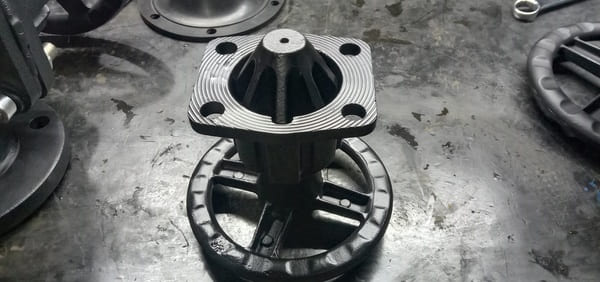
Do your large pipes leak often? Valve failures from harsh chemicals cost you money. I recommend DN200 diaphragm valves1 to stop these leaks and save your budget.
Yes, DN200 diaphragm valves1 provide highly reliable flow control2 for harsh industrial systems3. They use special linings and strong valve bodies to handle corrosive media4 and abrasive slurries5. This design maintains a tight seal and prevents common valve failures.
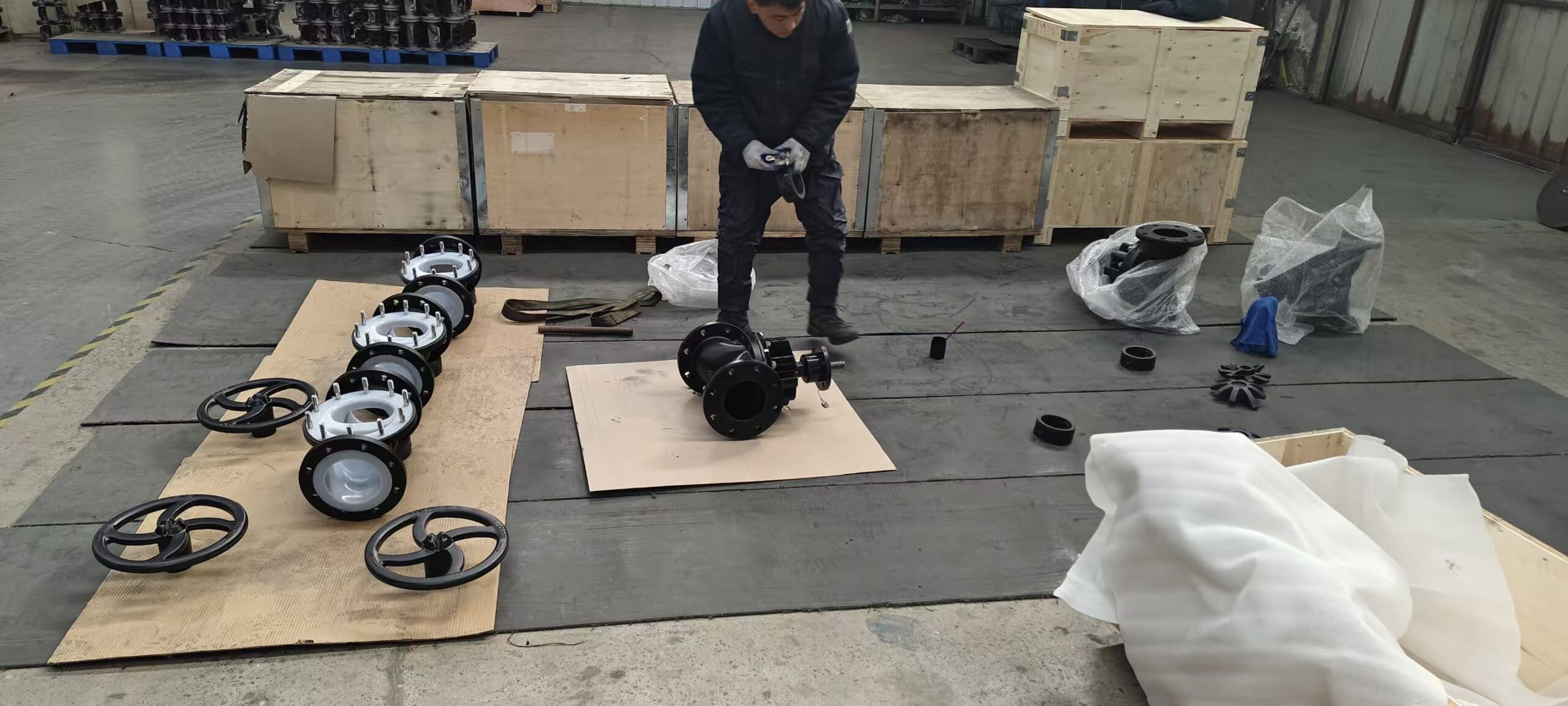
You might want to stop reading here if you do not care about pipeline safety. But if you want to stop leaks forever and save money, keep reading to see the exact details below.
Why Do Large Pipeline Systems Need Specific DN200 Diaphragm Valves?
Large pipes face heavy pressure. Standard valves break down fast from chemical wear and material fatigue. Our DN200 valves use custom linings to stop this rapid wear.
Large pipeline systems need DN200 diaphragm valves1 because standard valves fail under chemical attack. The DN200 size handles high flow volumes. Our valves use dedicated body materials and thick linings to resist tough media. This keeps the whole system safe and working longer.
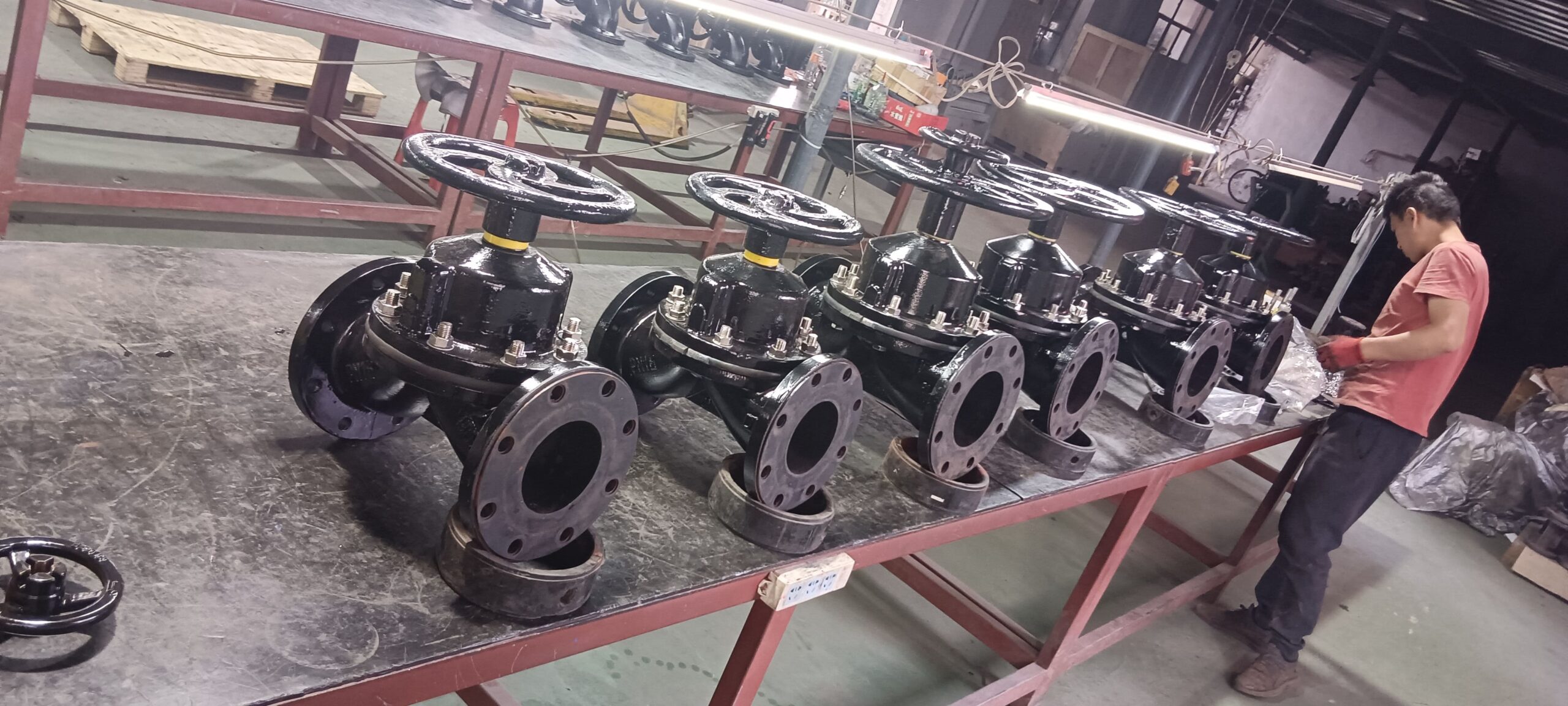
I see a repeated challenge in large pipe systems. The valves often fail because of chemical attack or material fatigue. When you move large amounts of fluid, the force is strong. A standard valve simply cannot last. That is why I suggest the DN200 diaphragm valve. We design these valves to meet the EN558-1 Series 16 standard. We also follow the BS 5156 standard7 for our face-to-face sizes. This means they fit perfectly into standard industrial setups everywhere.
We offer many combinations of valve bodies and linings. You can pick Cast Iron or Ductile Iron for the body. You can choose pressure ratings from PN10 up to PN16. If your factory runs hot, you do not need to worry. The heat limit depends on the lining you pick. For example, our PTFE lining8 handles heat up to 120°C. We also build these valves to the ISO 5211 actuator mounting standard. This makes automation very easy. Every product goes through a strict test before we ship it to you. We focus on mass production, so we can supply large business orders quickly.
Technical Specifications
| Feature | Detail |
|---|---|
| Size | DN200 |
| Design Standard | EN558-1 Series 16 |
| Pressure Rating | PN10 to PN16 |
| Max Temperature | Up to 120°C (with PTFE) |
| Actuator Standard | ISO 5211 |
What Are the Best Applications for DN200 Diaphragm Valves in Industrial Systems?
Do you struggle with dirty water or harsh acids? The wrong valve causes clogs and spills. DN200 valves handle these messy fluids easily and keep your plant clean.
The best applications for DN200 diaphragm valves1 include chemical processing, water treatment9, and mining. They work perfectly in process lines that handle corrosive liquids or fluids full of particles. Their special linings make them ideal for facilities that demand strict shut-off and clean media.
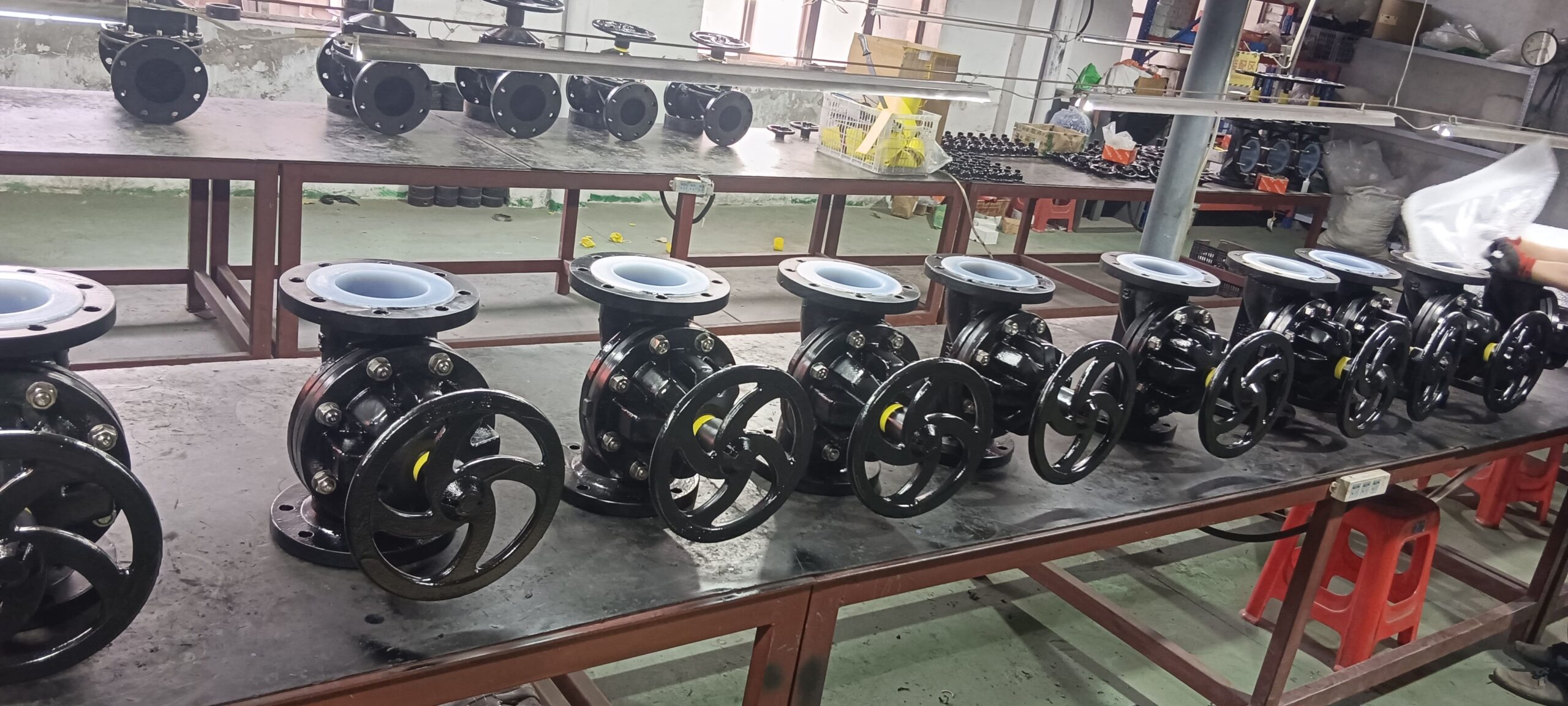
I always tell my clients to use DN200 diaphragm valves1 in process lines with harsh fluids. If your media is bad or full of solid pieces, this valve is your best choice. The anti-corrosion linings work very well in chemical plants, wastewater treatment9 centers, and mineral processing sites.
You can easily put these valves into systems that need a tight shut-off. They also cause a very low pressure drop. If your plant needs regular washing, these valves are great. They matter a lot in Clean-in-Place systems. They keep the media pure and clean.
When you use these valves, you lower the risk of leaks. You also extend the life of the diaphragm. You can even do maintenance while the valve stays on the pipe. This saves a lot of time. Because of these benefits, I believe they are a smart investment for big factories. We supply these in large volumes to international brands and distributors who need reliable products.
Common Industry Uses
| Industry | Typical Fluid | Benefit of DN200 Valve |
|---|---|---|
| Chemical | Acids and alkalis | Stops chemical corrosion |
| Water Treatment | Sludge and wastewater | Handles solid particles |
| Mining | Mineral slurry | Resists heavy wear |
| Food & Pharma | Cleaning fluids | Keeps fluid very clean |
How Does Material Selection Affect the Life of a DN200 Diaphragm Valve?
Bad materials lead to quick valve death. Fluid eats through cheap metal. You must pick the exact right lining to make your DN200 valve last for years.
Material selection directly decides how long a DN200 diaphragm valve lasts. ETFE linings fight strong acids and oxidizers. Rubber linings handle grinding slurries. Enamel linings work best for clean, sanitary jobs. The right match stops damage and extends the valve life.
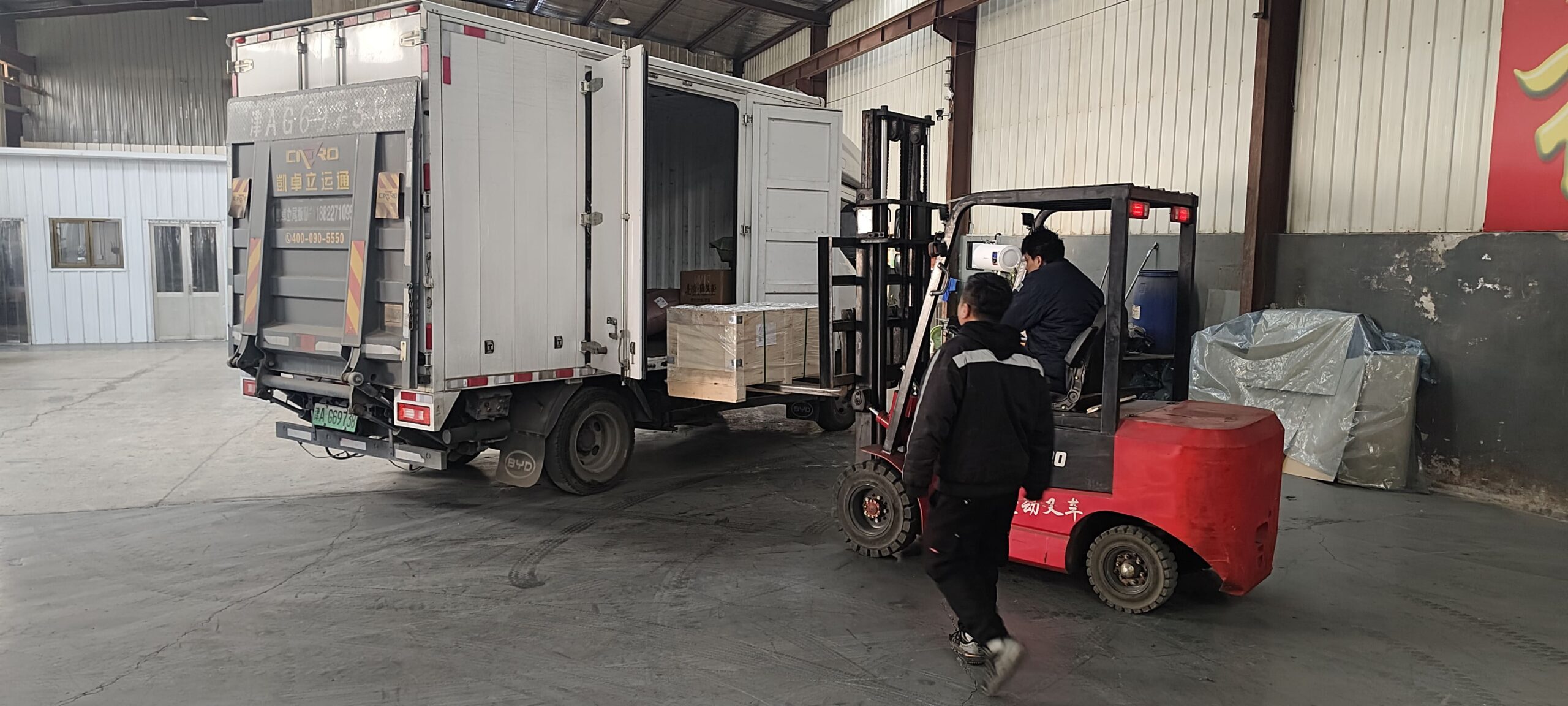
Material choice is the most important step for a valve's life. I always look at the fluid first. For our DN200 models, we offer an ETFE lining. This lining has great chemical compatibility. It fights strong acids and harsh oxidizers perfectly. If you pump abrasive slurry, I suggest a rubber lining. We use Natural Rubber, EPDM, or Butyl rubber. Rubber bounces back and resists the hard scraping of solid pieces. We also offer enamel linings for clean uses.
We reinforce the valve bonnet and the actuator mount. This makes the valve strong enough for automatic control systems. We use a weir-type design inside the valve. This shape separates the diaphragm from the process media. It makes the diaphragm last much longer. It also stops fluid from getting stuck inside the valve body. Every valve gives you smooth fluid flow. It lowers rough turbulence. Our new molds give the valve body a better look and exact sizes.
Lining Choice Guide
| Lining Material | Best Fluid Match | Main Advantage |
|---|---|---|
| ETFE / PTFE | Acids, strong chemicals | High heat and chemical defense |
| EPDM Rubber | Water treatment chemicals | Great flexibility and seal |
| Natural Rubber | Abrasive mining slurry | High wear resistance |
| Enamel | Sanitary fluids | Smooth and very clean |
How Can You Ensure Proper Installation and Maintenance for DN200 Valves?
Poor installation causes instant leaks. A bad fit ruins a good valve. You must follow standard rules to install and maintain your valve for a safe factory.
You ensure proper installation by using standard EN1092-1 flange connections and picking the right gaskets. Good gaskets stop leaks during heat changes. You ensure easy maintenance by using the valve's simple design, which allows you to replace parts without taking the valve off the pipe.
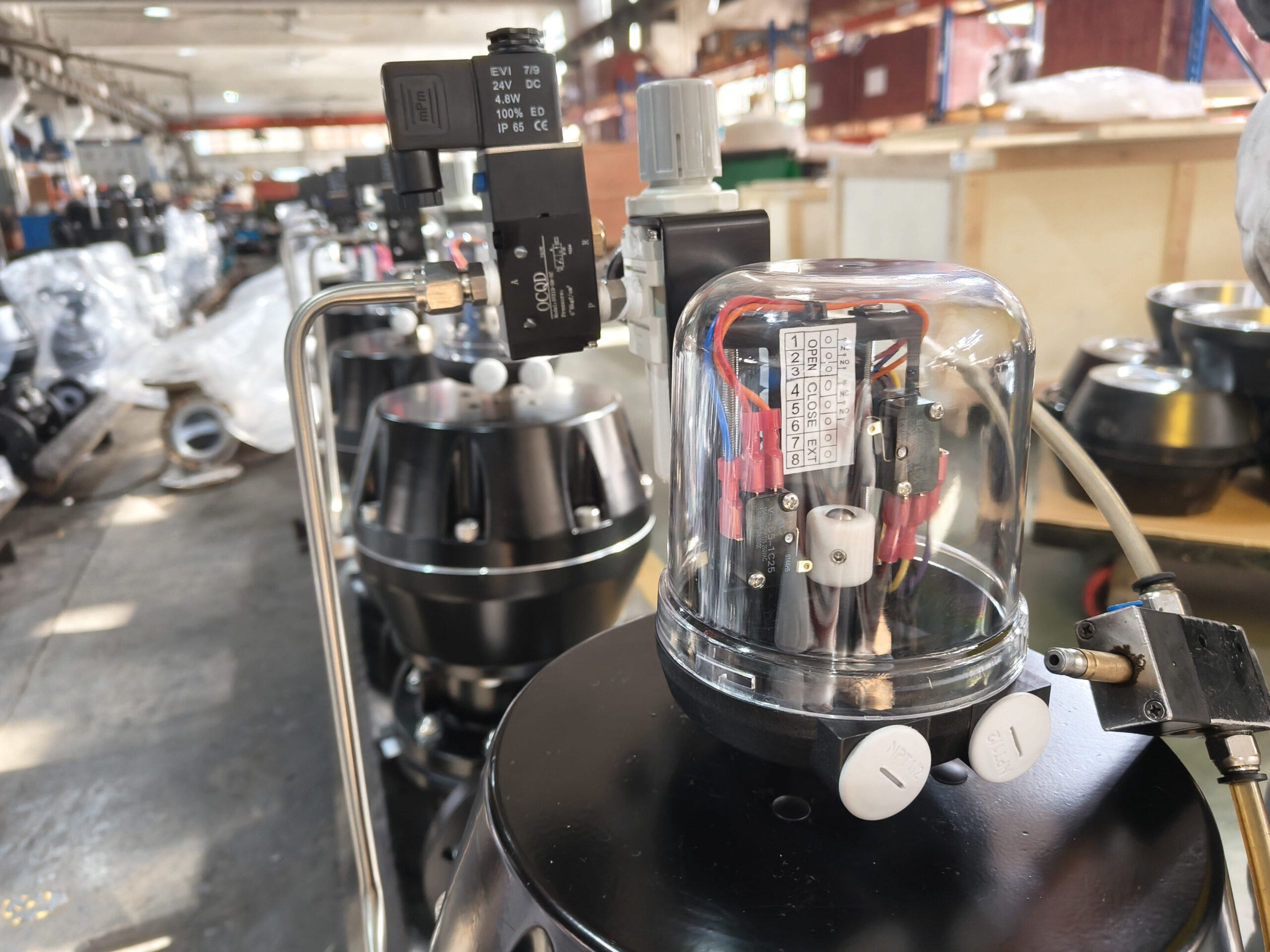
I want to share the best ways to install these valves. These valve units come with flanged ends. They meet the EN1092-1 standard. This means they bolt up easily to standard pipes. During installation, you must pick the correct gasket. The right gasket stops leaks when the pipe gets hot and cold.
Our design helps you a lot. It removes dead spaces inside the valve. This keeps the valve clean and makes maintenance very fast. You can set up manual control or automatic control. If you need a large batch, our factory finishes one full container in 35 to 45 days.
Let me share a quick story. I worked with a chemical transfer station in Italy. They used old gate valves. Those valves leaked all the time. We replaced them with our DN200 ETFE-lined diaphragm valves. After the change, their surprise breakdowns dropped by 22 percent. They also gained much better control over their dangerous fluids. This proves that right installation and good design save money.
Installation Steps Checklist
| Step | Action | Why It Matters |
|---|---|---|
| 1 | Check flanges | Matches EN1092-1 standard |
| 2 | Add correct gasket | Stops heat-cycle leaks |
| 3 | Bolt evenly | Prevents body stress |
| 4 | Test actuator | Ensures smooth auto-control |
What Are the Most Common Questions About DN200 Diaphragm Valve Units?
Buyers often feel confused about valve details. Missing facts delay your purchase. I will answer the top questions right now so you can buy with total confidence.
The most common questions focus on chemical resistance, automation, and custom options. Yes, non-metal linings block chemical attacks. Yes, you can add electric or pneumatic actuators. We also offer custom bodies and linings to fit your exact factory needs.
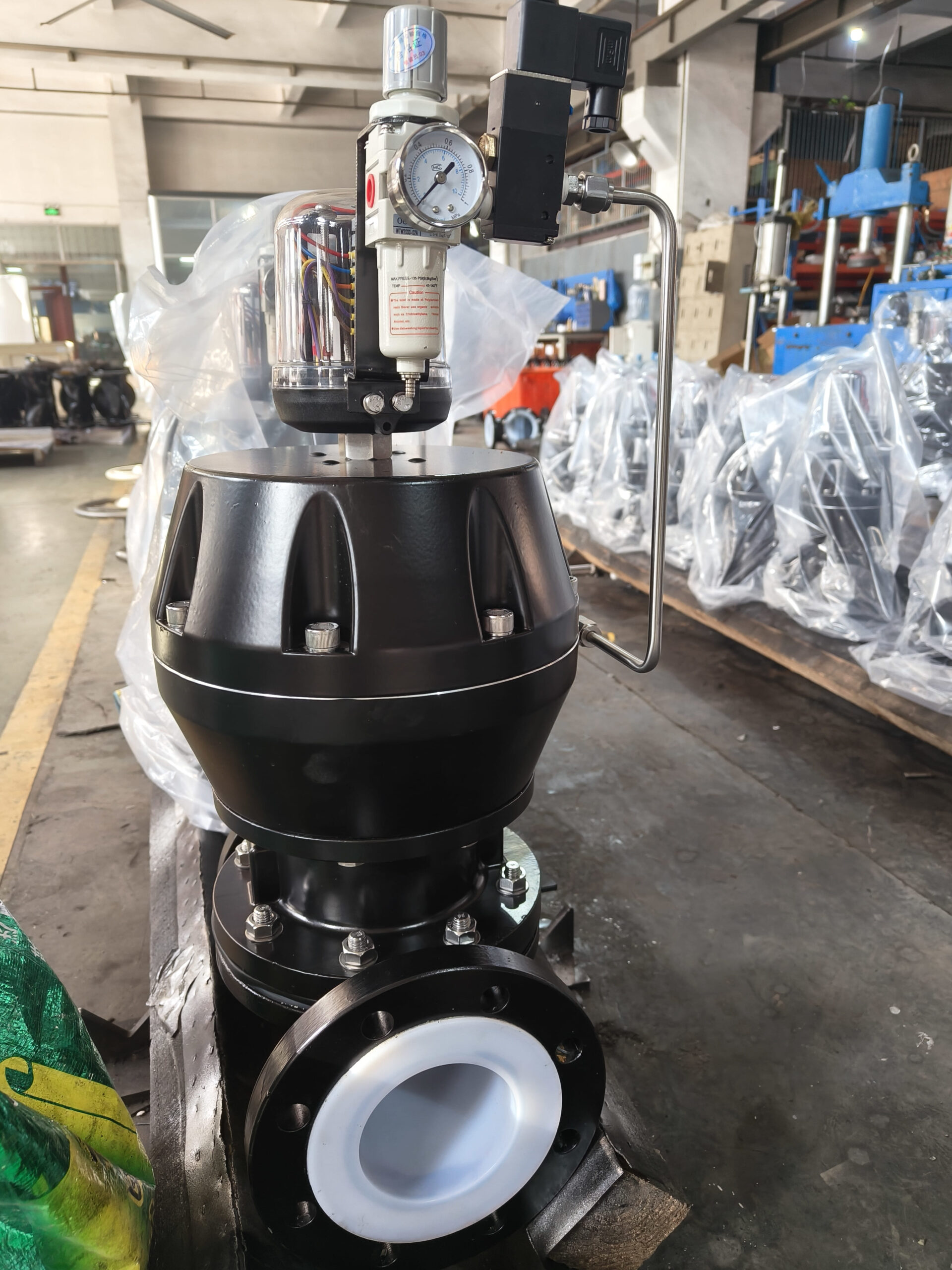
I get many questions from buyers about the DN200 diaphragm valve. I want to answer them clearly here.
First, people ask what makes this valve good for bad environments. The secret is the non-metal lining. Materials like ETFE or PTFE sit between the metal body and the fluid. The fluid never touches the metal. This stops all rust and chemical wear.
Second, clients ask if they can automate these valves. Yes, you absolutely can. They support both electric and air-powered actuators. You can connect them directly to your computer systems.
Third, buyers want to know how this new model is better than old ones. We added a stronger bonnet. We also improved the diaphragm so it lives longer. The new ISO 5211 mount makes adding motors very easy. Our shell molding casting process also means fewer defects.
Finally, people ask about custom orders. We can change the body material to cast iron or ductile iron. We can change the lining to rubber, PTFE, or glass. We offer full OEM and ODM services to build exactly what you need.
Quick FAQ Summary
| Question Topic | Our Clear Answer |
|---|---|
| Chemical Safety | Fluid only touches safe plastic or rubber. |
| Automation | Fits electric and pneumatic motors easily. |
| Upgrades | Stronger bonnet, longer life, ISO 5211. |
| Custom Parts | Pick your own body and lining materials. |
Conclusion
DN200 diaphragm valves1 offer strong defense against harsh chemicals and slurries. Their smart design and custom linings guarantee a safe, leak-free, and efficient pipeline system for your business.
Explore the advantages of DN200 diaphragm valves for reliable flow control in harsh environments. ↩
Understanding flow control can enhance your knowledge of efficient fluid management in industries. ↩
Learn about the specific challenges and solutions for managing harsh industrial environments. ↩
Discover how corrosive media impacts valve performance and longevity. ↩
Find effective strategies for managing abrasive slurries in various industrial applications. ↩
Learn about the EN558-1 Series 1 standard and its significance in valve manufacturing. ↩
Understanding the BS 5156 standard can help ensure compliance in valve installations. ↩
Discover how PTFE lining enhances valve performance in high-temperature applications. ↩
Find out how diaphragm valves enhance efficiency and safety in water treatment. ↩