
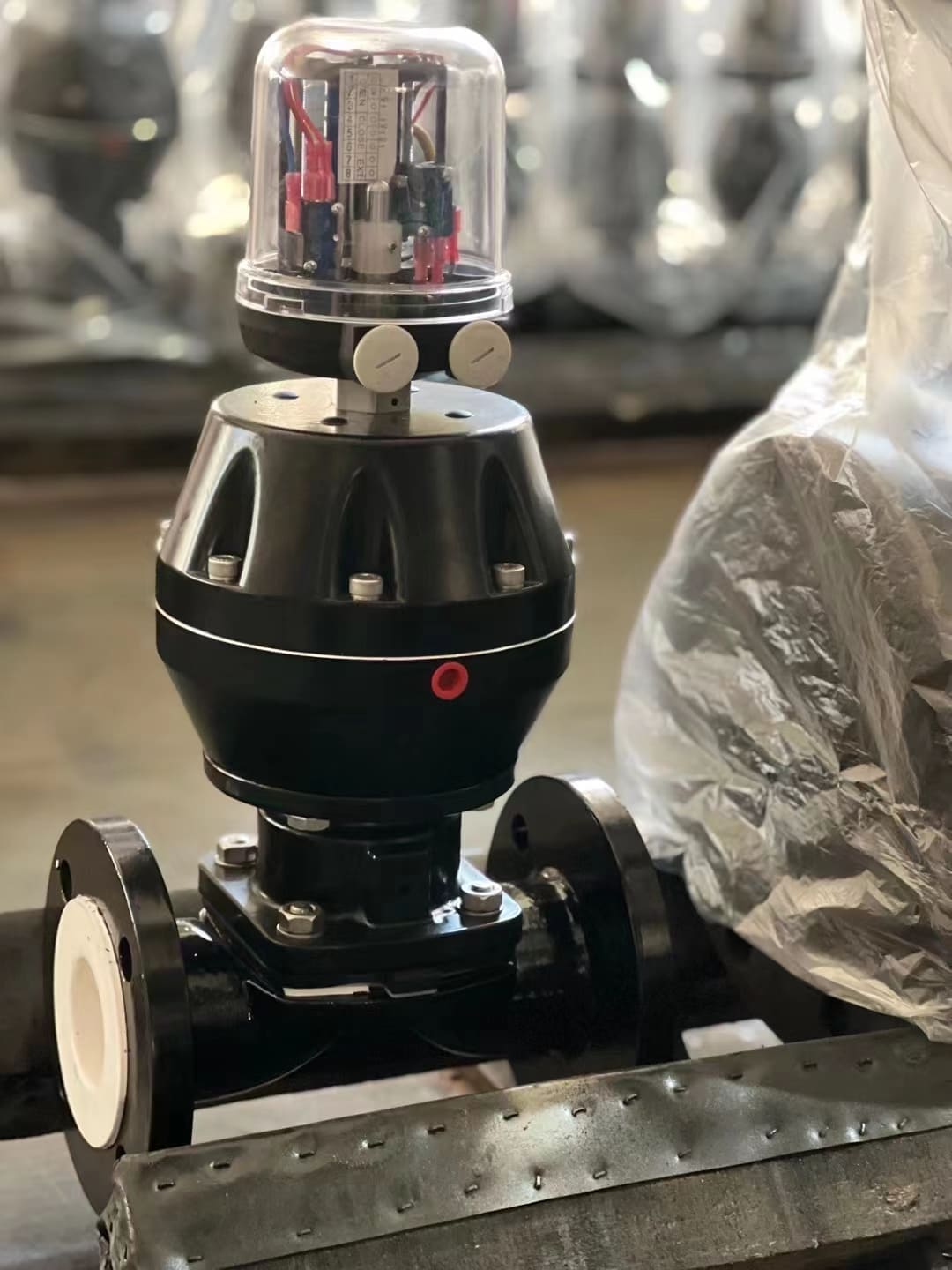
Tired of pneumatic diaphragm valves failing unexpectedly? This downtime costs money and creates major headaches. Understanding the key failure points is the first step to a reliable system.
Pneumatic diaphragm valve failure often stems from a low-quality actuator, an improperly selected diaphragm material1, or a contaminated air supply2. Focusing on these components, not just the valve body, is critical for ensuring longevity and preventing premature breakdowns. This starts with a quality-focused supplier.
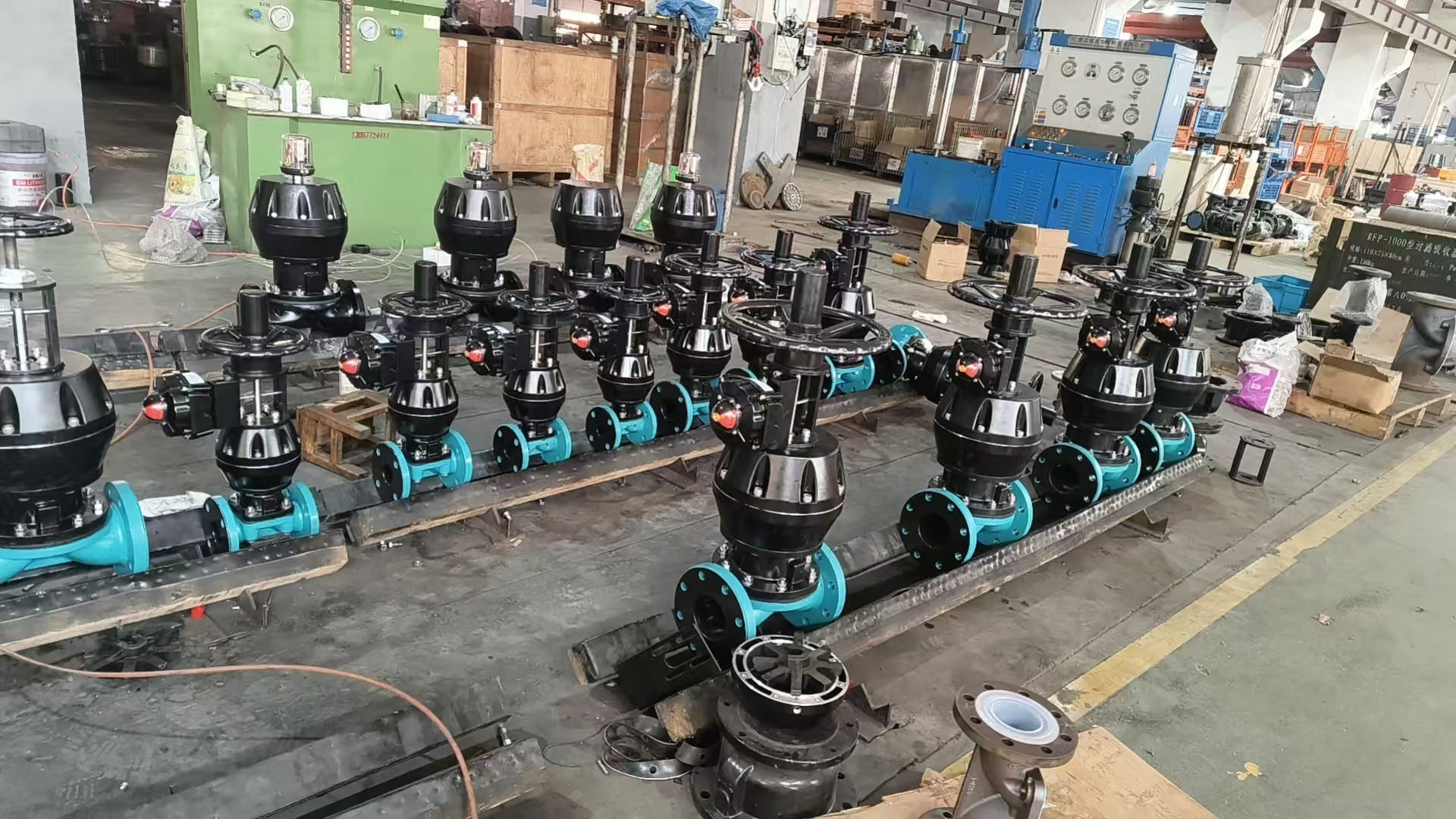
I've seen it many times. A client invests in automation with pneumatic diaphragm valves, expecting reliability, but ends up with constant problems. The cost of a pneumatic valve is much higher than a manual one, so failures are especially frustrating. You choose them for automation in places where manual operation is tough. But what if that automation component3 is the weakest link? It’s a common story, but it doesn't have to be yours. Let's break down the most common culprits behind these fast failures.
Is the Actuator the Real Reason Your Valve is Failing?
You bought a pneumatic valve for efficiency, but it keeps failing. The automation you paid for is now a source of constant repair. Let's look at the component responsible.
Often, yes. The pneumatic actuator, or "head," is a common failure point. Manufacturers may use inferior designs or materials to cut costs, leading to leaks, sticking, or complete failure. A robust, well-designed actuator is non-negotiable for reliable performance.
The pneumatic actuator is the "engine" of your valve. It converts compressed air into the mechanical force that opens and closes the diaphragm. From my experience in the factory, this is where many problems start. Some suppliers try to lower the price by using cheaper actuators. This is a huge mistake. A poorly designed actuator can lead to inconsistent operation or even get stuck. The materials are also very important. A weak housing can crack under pressure, and low-quality seals will wear out quickly, causing air leaks. This means the valve won't have enough force to close properly. When you're choosing a supplier, you must ask about the actuator. Don't just look at the price of the whole valve. A cheap valve with a bad actuator is a very expensive problem waiting to happen.
| Feature | High-Quality Actuator | Low-Quality Actuator |
|---|---|---|
| Housing Material | Robust metal or reinforced polymer | Thin, weak plastic or cheap alloy |
| Internal Seals | Durable, wear-resistant materials | Standard O-rings that degrade quickly |
| Spring (Spring-Return) | Coated, high-cycle life spring | Uncoated, prone to rust and fatigue |
| Performance | Consistent, reliable force | Inconsistent operation, risk of sticking |
Could the Wrong Diaphragm Material Be the Problem?
Your valve is installed, but it's leaking or degrading quickly. The process fluid seems to be eating away at the components. This contamination risk is a serious operational threat.
Absolutely. The diaphragm is the only part touching the fluid, so material compatibility is everything. Choosing a diaphragm (like EPDM, PTFE, or NBR) that can't handle your medium's temperature, pressure, or chemical properties will lead to rapid failure, leaks, and process contamination.
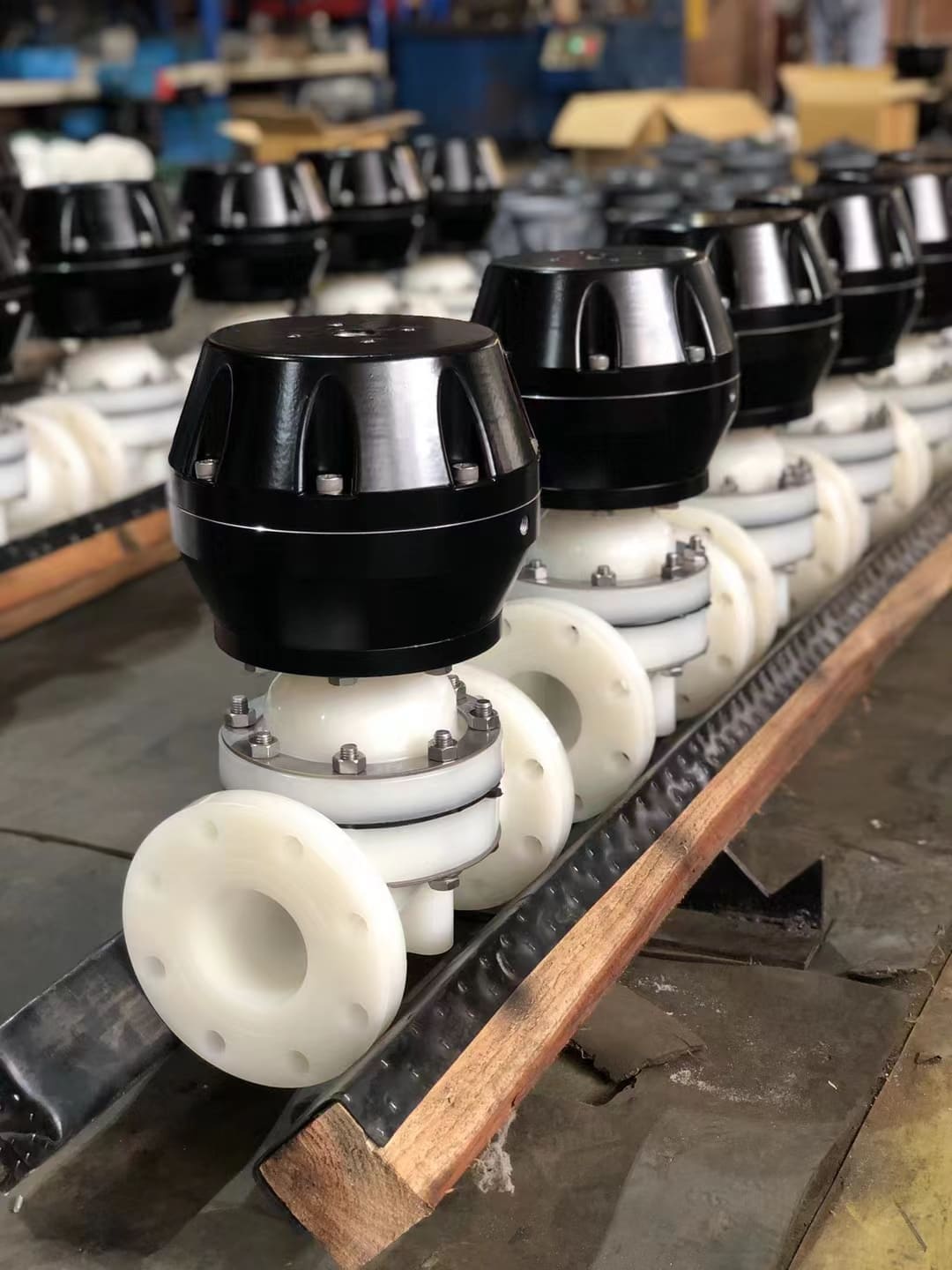
The diaphragm is the heart of the valve. It's the flexible barrier that isolates your process fluid from the rest of the valve and the outside world. If it fails, everything fails. I often talk to clients who have issues because the diaphragm material1 isn't right for their specific application. For example, using a standard rubber diaphragm for a highly corrosive acid is a recipe for disaster. The acid will quickly degrade the rubber, causing a leak. That's why we offer so many options, from rubber linings like EPDM and NBR to plastic linings like PFA and PTFE. Each one has its own strengths. You must consider the chemical, temperature, and abrasiveness of your fluid. A good supplier will help you make the right choice, not just sell you a standard product.
| Diaphragm Material | Best For | Avoid With |
|---|---|---|
| EPDM | Water, wastewater, dilute acids/alkalis | Oils, solvents, hydrocarbons |
| NBR | Oils, fats, fuels, hydraulic fluids | Strong oxidizing agents, ketones |
| PTFE | Aggressive chemicals, acids, solvents | Abrasive slurries (unless backed) |
| Natural Rubber | Abrasive slurries, some acids | Oils, ozone, strong chemicals |
What if the Problem Isn't the Valve, But Your Air Supply?
Even with a good valve, you're seeing sluggish performance and premature wear. You've checked the valve itself, but the problem persists. It's frustrating when the cause is hidden.
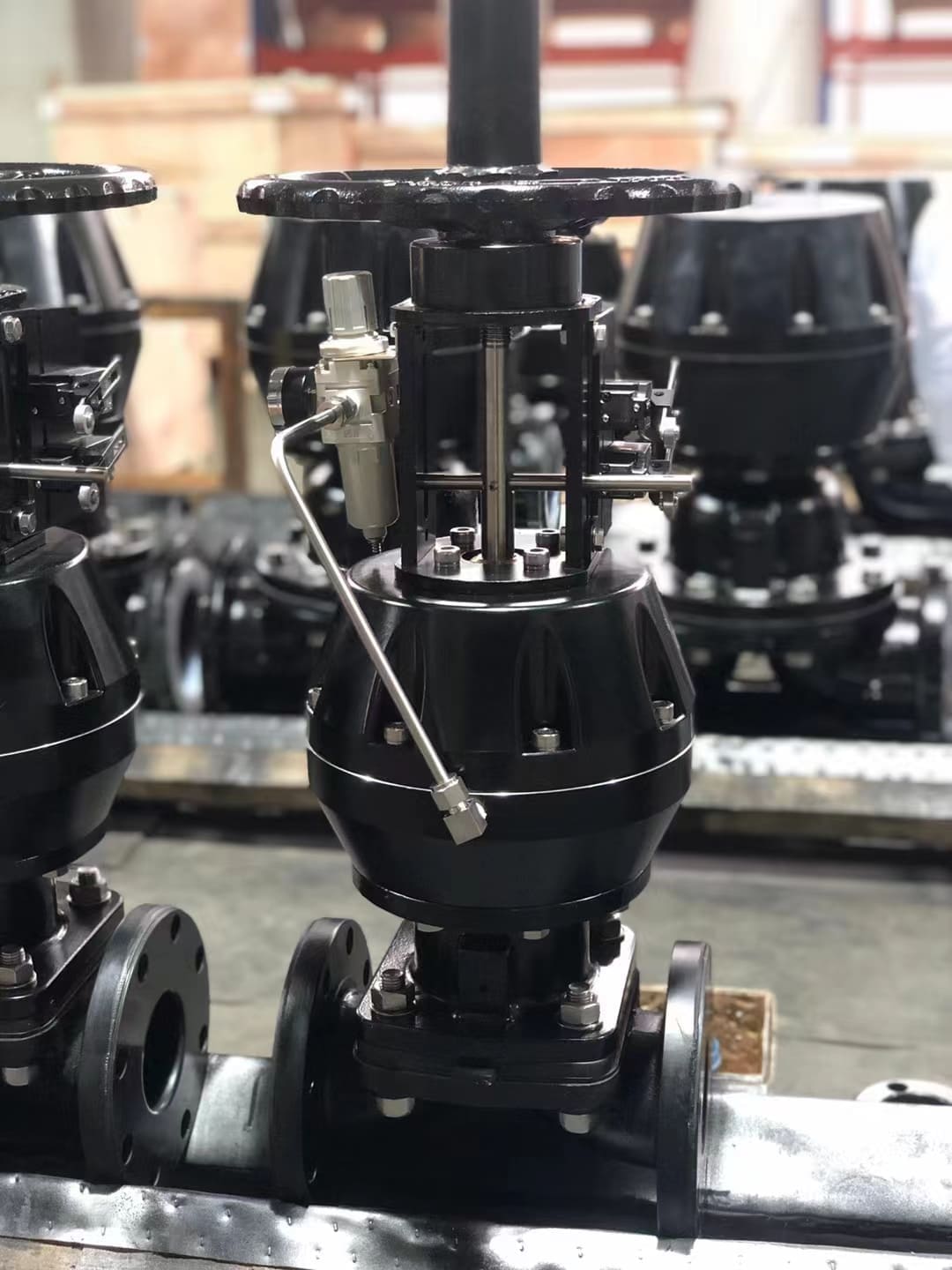
A dirty or wet air supply can destroy a pneumatic actuator from the inside. Moisture causes corrosion, and particulates score internal seals, leading to air leaks and erratic operation. Installing a simple air filter-regulator4 can protect your investment and ensure consistent valve performance.
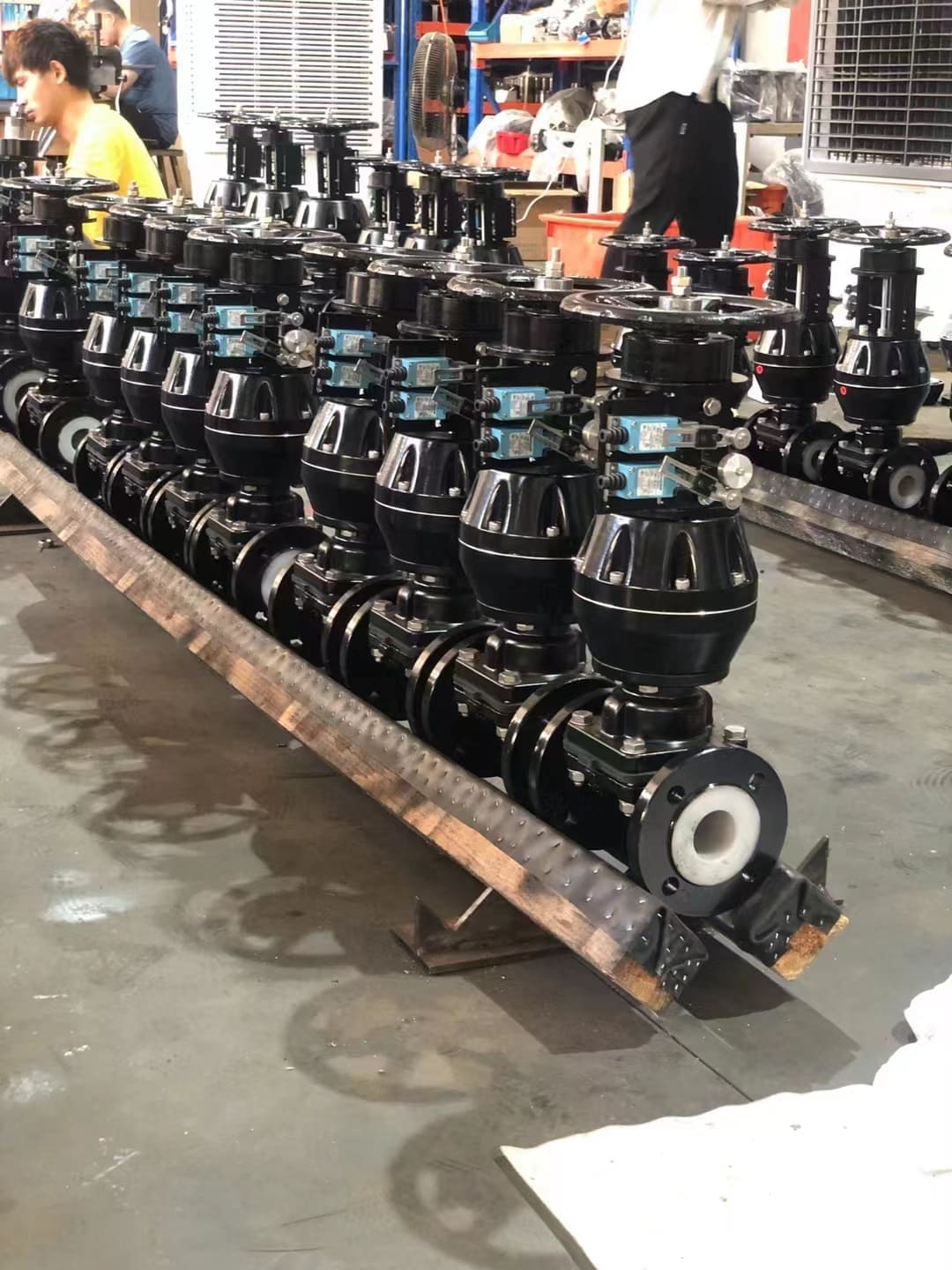
Many people forget that the "air" powering their pneumatic valve isn't perfectly clean. Compressed air often contains water vapor, small amounts of compressor oil, and tiny dust particles. When this contaminated air enters the actuator, it causes serious problems. The water can corrode metal parts, like the spring or cylinder walls. The dust and grit act like sandpaper, wearing down the internal seals. This causes air to leak, which reduces the actuator's power. The valve might not close fully, or it might respond slowly. I always advise my clients to check their air source quality. If it's not clean and dry, the solution is simple and cheap. You can install an air filter and regulator unit right before the valve. This small device cleans and dries the air, protecting the actuator and making sure the valve works as it should for a long, long time.
| Contaminant | Effect on Actuator | Prevention Method |
|---|---|---|
| Water/Moisture | Internal corrosion, rust on springs/cylinders | Air dryer or filter with water trap |
| Particulates/Dust | Wears down seals, scores cylinder walls | Particulate filter (e.g., 5-micron) |
| Compressor Oil | Can cause seals to swell or degrade | Oil removal filter / coalescing filter |
How Can Choosing the Right Supplier Prevent Failures?
You need to source valves, but you're worried about quality and reliability. Choosing the wrong partner can lead to bad products and project delays. This choice feels full of risk.
A good supplier acts as a partner, not just a seller. They focus on quality components like robust actuators and use advanced manufacturing, like resin-coated sand casting. They guide you on material selection and ensure you get a valve built for longevity, not just a low price.
In my business, I've learned that the initial price of a valve is only a small part of its total cost. A cheap valve that fails quickly costs much more in downtime, repairs, and replacement. This is why choosing the right supplier is the most important decision you can make. A quality-focused supplier won't cut corners on the actuator just to offer a lower price. They will ask you about your specific application to help you choose the right diaphragm material1. They will also invest in better manufacturing processes. For example, we use resin-coated sand casting for our valve bodies. This results in a smoother finish with fewer defects. We also use new molds to ensure the valve body looks perfect. A good partner is transparent about their quality and helps you avoid the common pitfalls that lead to failure.
| Supplier Focus | Low-Price Focus | Quality & Partnership Focus |
|---|---|---|
| Priority | Lowest unit cost | Lowest total cost of ownership |
| Actuator | Cheapest available option | Robust, well-designed, reliable |
| Guidance | Sells standard product | Asks about application, advises on materials |
| Manufacturing | Basic, cost-cutting methods | Advanced processes for better quality |
Conclusion
To avoid rapid pneumatic valve failure, focus on the actuator, choose the correct diaphragm material1, ensure clean air, and partner with a quality-focused supplier.
Choosing the right diaphragm material is crucial for preventing leaks and ensuring valve longevity. ↩
Discover how air quality can impact actuator performance and learn ways to maintain it. ↩
Explore how automation can improve efficiency but also learn about potential pitfalls. ↩
Learn how installing an air filter-regulator can protect your investment and enhance reliability. ↩