
Struggling to find a valve that handles corrosive or abrasive fluids without leaking or contamination? This can lead to costly downtime and safety risks in your plant.
Diaphragm valves1 are widely used to control powders, slurries, liquids, and gases across industries like chemical processing2, power generation3, and wastewater treatment4. Their unique design isolates the fluid from moving parts, preventing contamination, reducing wear, and ensuring reliable performance5 in demanding environments.
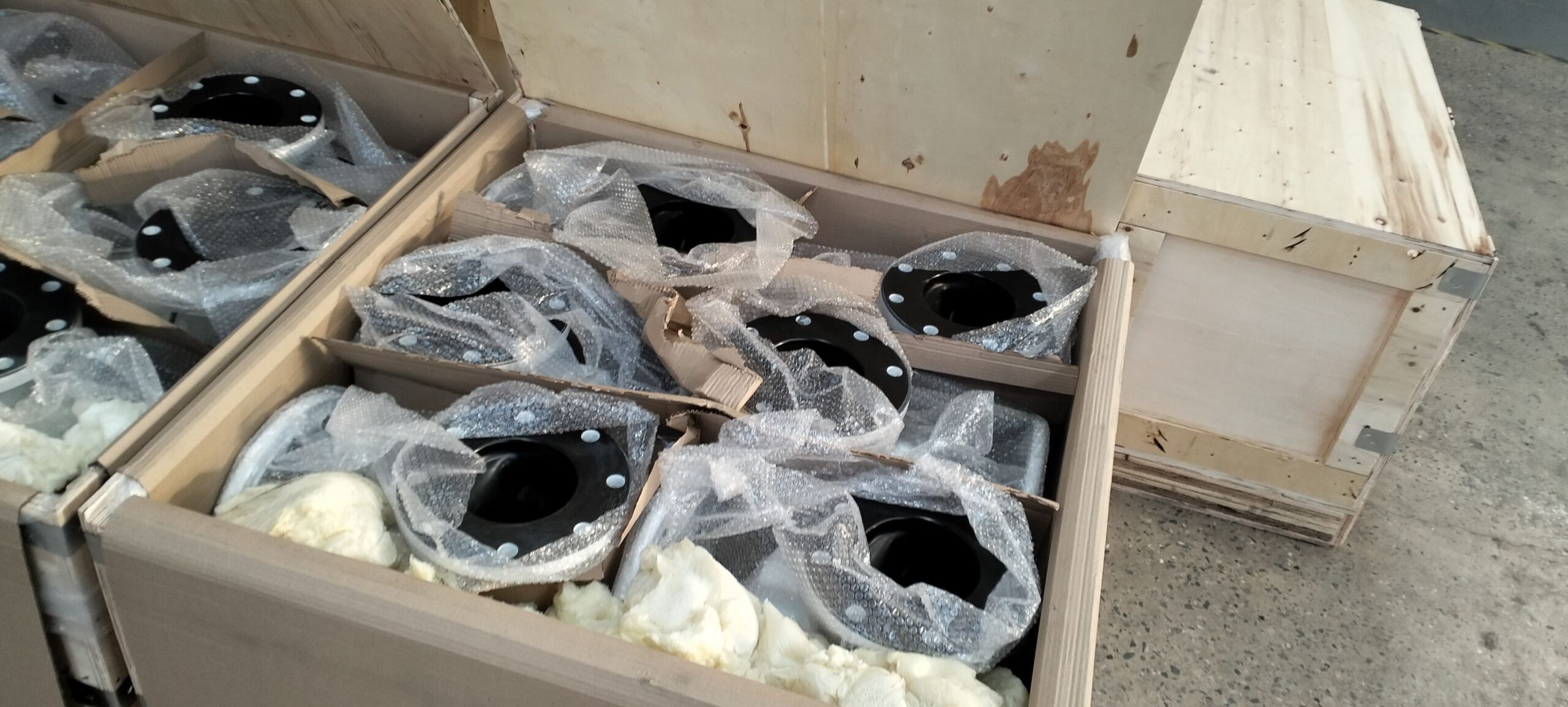
As a manufacturer specializing in diaphragm valves for years, I've seen firsthand how versatile these components are. We've supplied them for all sorts of tough jobs. Clients often come to us after other valve types have failed, looking for something more reliable and durable. The right diaphragm valve isn't just a part; it's a solution that keeps critical processes running smoothly and safely. Let's explore some of the key areas where these valves truly shine.
As a manufacturer specializing in diaphragm valves for years, I've seen firsthand how versatile these components are. We've supplied them for all sorts of tough jobs. Clients often come to us after other valve types have failed, looking for something more reliable and durable. The right diaphragm valve isn't just a part; it's a solution that keeps critical processes running smoothly and safely. Let's explore some of the key areas where these valves truly shine.
Why are diaphragm valves essential in the chemical industry?
Finding a valve that can withstand aggressive chemicals without corroding or failing is a constant challenge. A leak in a chemical line isn't just a mess; it's a serious safety hazard.
In the chemical industry, diaphragm valves are essential for handling acids, alkalis, solvents, and slurries. The valve's lining and diaphragm create a barrier, protecting metal parts from corrosion and preventing leaks, which is crucial for both safety and process purity.
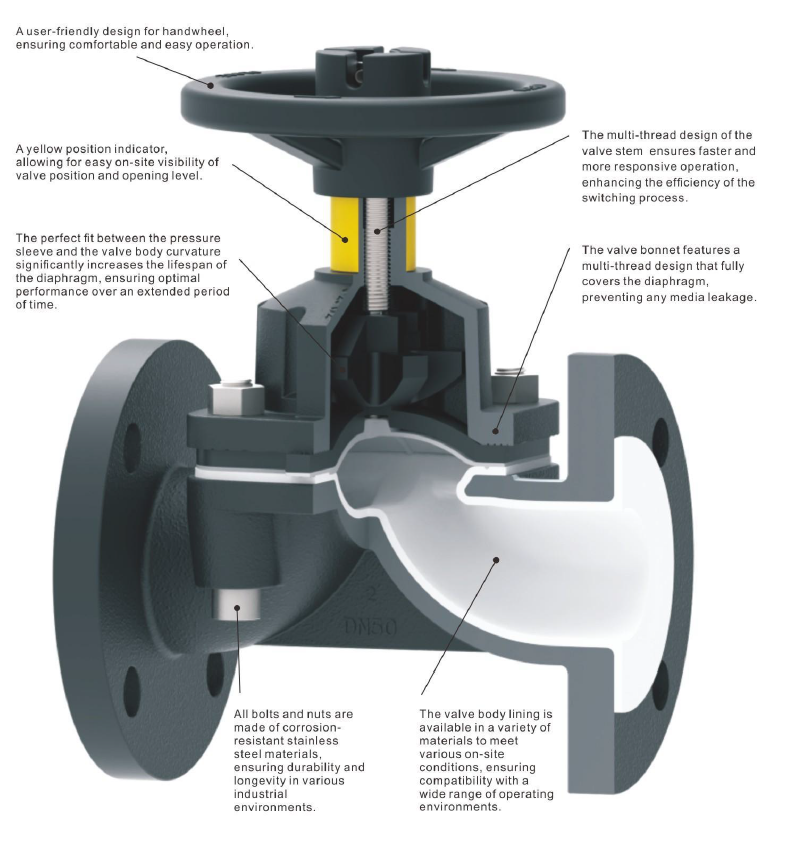
I've worked with many procurement managers from chemical plants. They often tell me stories about how standard valves just couldn't handle their specific media. For example, one client was dealing with hydrochloric acid, which quickly ate through their previous valves. We helped them select a diaphragm valve with a PFA lining6. The difference was night and day. The design of a diaphragm valve is its biggest strength here. The fluid only touches the valve body lining and the diaphragm itself. This means we can use cost-effective materials like cast iron for the body and protect it with a highly resistant lining. This isolation also means there are no stems or packing glands for chemicals to leak through, which is a huge relief for plant operators.
Here’s a breakdown of how different linings perform with common chemicals:
I've worked with many procurement managers from chemical plants. They often tell me stories about how standard valves just couldn't handle their specific media. For example, one client was dealing with hydrochloric acid, which quickly ate through their previous valves. We helped them select a diaphragm valve with a PFA lining6. The difference was night and day. The design of a diaphragm valve is its biggest strength here. The fluid only touches the valve body lining and the diaphragm itself. This means we can use cost-effective materials like cast iron for the body and protect it with a highly resistant lining. This isolation also means there are no stems or packing glands for chemicals to leak through, which is a huge relief for plant operators.
Here’s a breakdown of how different linings perform with common chemicals:
| Lining Material | Common Applications & Advantages | Limitations |
|---|---|---|
| PFA/PTFE | Strong acids, bases, solvents. Excellent chemical resistance7. | Higher cost, less suitable for abrasive slurries8. |
| EPDM Rubber9 | Dilute acids, alkalis, water-based solutions. Good general purpose. | Not suitable for oils or hydrocarbon solvents. |
| NBR Rubber | Oils, fuels, and some solvents. Good abrasion resistance10. | Poor resistance to strong acids and ozone. |
This ability to customize the lining makes diaphragm valves a go-to solution for the complex and hazardous fluids found in chemical and petrochemical processing2.
How do diaphragm valves handle tough jobs in power plants?
Power plants, especially those with flue gas desulfurization11 (FGD) systems, deal with highly abrasive and corrosive slurries. Limestone and gypsum can quickly wear out standard valves, causing blockages and frequent shutdowns.
Diaphragm valves1 excel in power plants by managing abrasive slurries8 like limestone and gypsum in FGD systems. Their smooth, open flow path prevents clogging, and durable rubber linings resist wear, ensuring reliable operation and reducing maintenance costs.
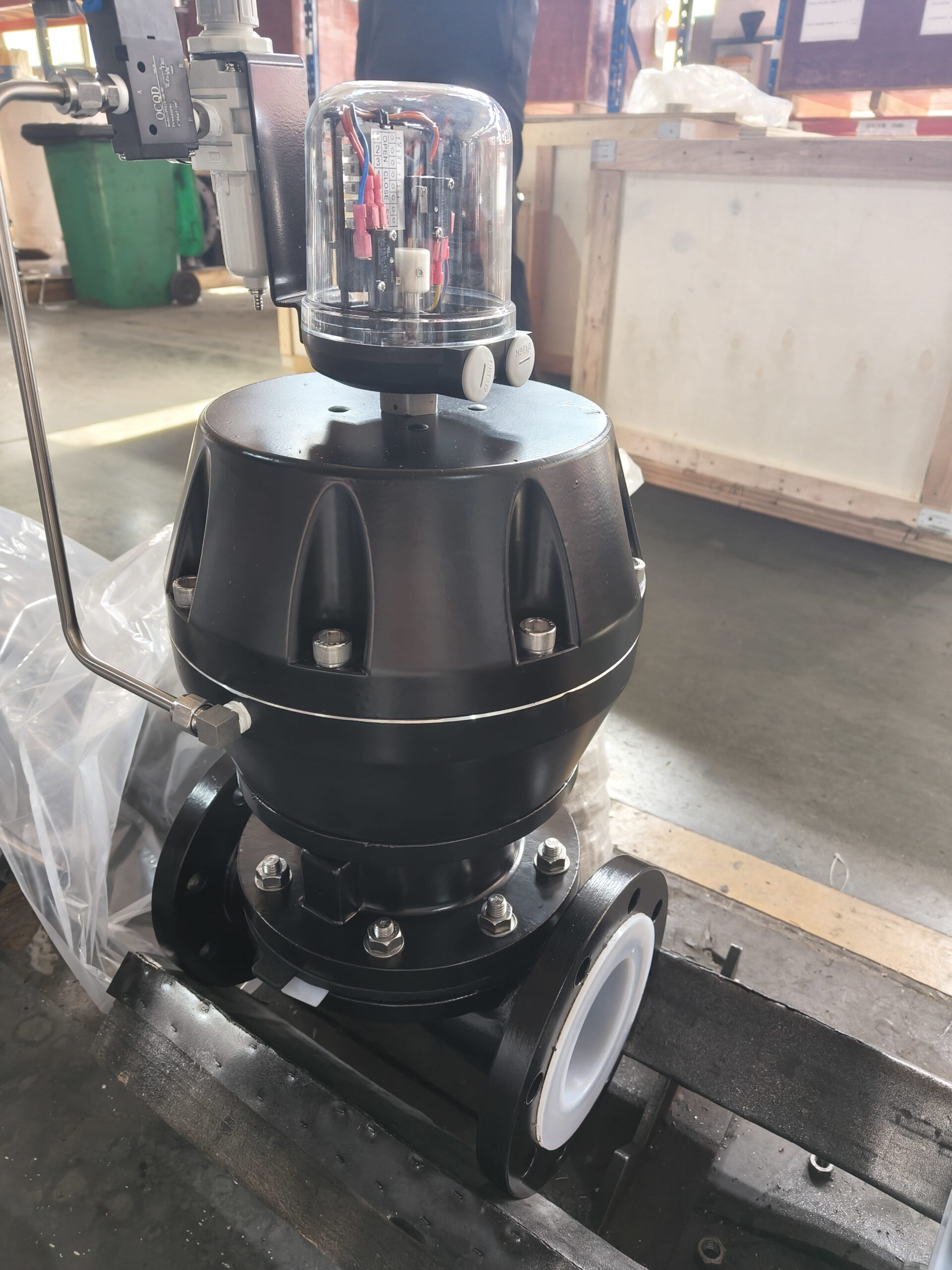
I remember a project with a thermal power plant that was struggling with its ash handling system. The abrasive slurry was destroying their butterfly valves in a matter of months. They needed a more robust and cost-effective solution for their large-diameter pipes. We supplied them with our cast iron, rubber-lined diaphragm valves. Because the valve body is made from cast iron, it's very economical for the large sizes they needed. The soft natural rubber lining we used is excellent at absorbing the impact of abrasive particles, which significantly extends the valve's service life. Another key feature is the valve's straight-through flow path when open. This design minimizes turbulence and pressure drop, and more importantly, it prevents solid particles from settling and causing a blockage. For power plants, reliability is everything. Unplanned downtime is incredibly expensive, so a valve that can run for years with minimal maintenance is a huge asset.
Key application areas in a power plant include:
I remember a project with a thermal power plant that was struggling with its ash handling system. The abrasive slurry was destroying their butterfly valves in a matter of months. They needed a more robust and cost-effective solution for their large-diameter pipes. We supplied them with our cast iron, rubber-lined diaphragm valves. Because the valve body is made from cast iron, it's very economical for the large sizes they needed. The soft natural rubber lining we used is excellent at absorbing the impact of abrasive particles, which significantly extends the valve's service life. Another key feature is the valve's straight-through flow path when open. This design minimizes turbulence and pressure drop, and more importantly, it prevents solid particles from settling and causing a blockage. For power plants, reliability is everything. Unplanned downtime is incredibly expensive, so a valve that can run for years with minimal maintenance is a huge asset.
Key application areas in a power plant include:
- Water Treatment: Handling acids and alkalis for demineralization.
- Flue Gas Desulfurization (FGD): Controlling limestone and gypsum slurries.
- Ash & Slag Handling: Managing abrasive waste materials. In each case, the diaphragm valve's simple, effective design proves its worth.
What makes diaphragm valves a top choice for wastewater treatment4?
Wastewater treatment plants use a variety of chemicals for dosing, and they also handle sludge with high solids content. This combination of corrosion and abrasion can be tough on equipment, leading to leaks and blockages.
Diaphragm valves1 are ideal for wastewater treatment4 because their leak-proof seal prevents chemical spills and their unobstructed flow path handles sludge without clogging. The protective linings stand up to corrosive dosing chemicals like sodium hypochlorite and flocculants.
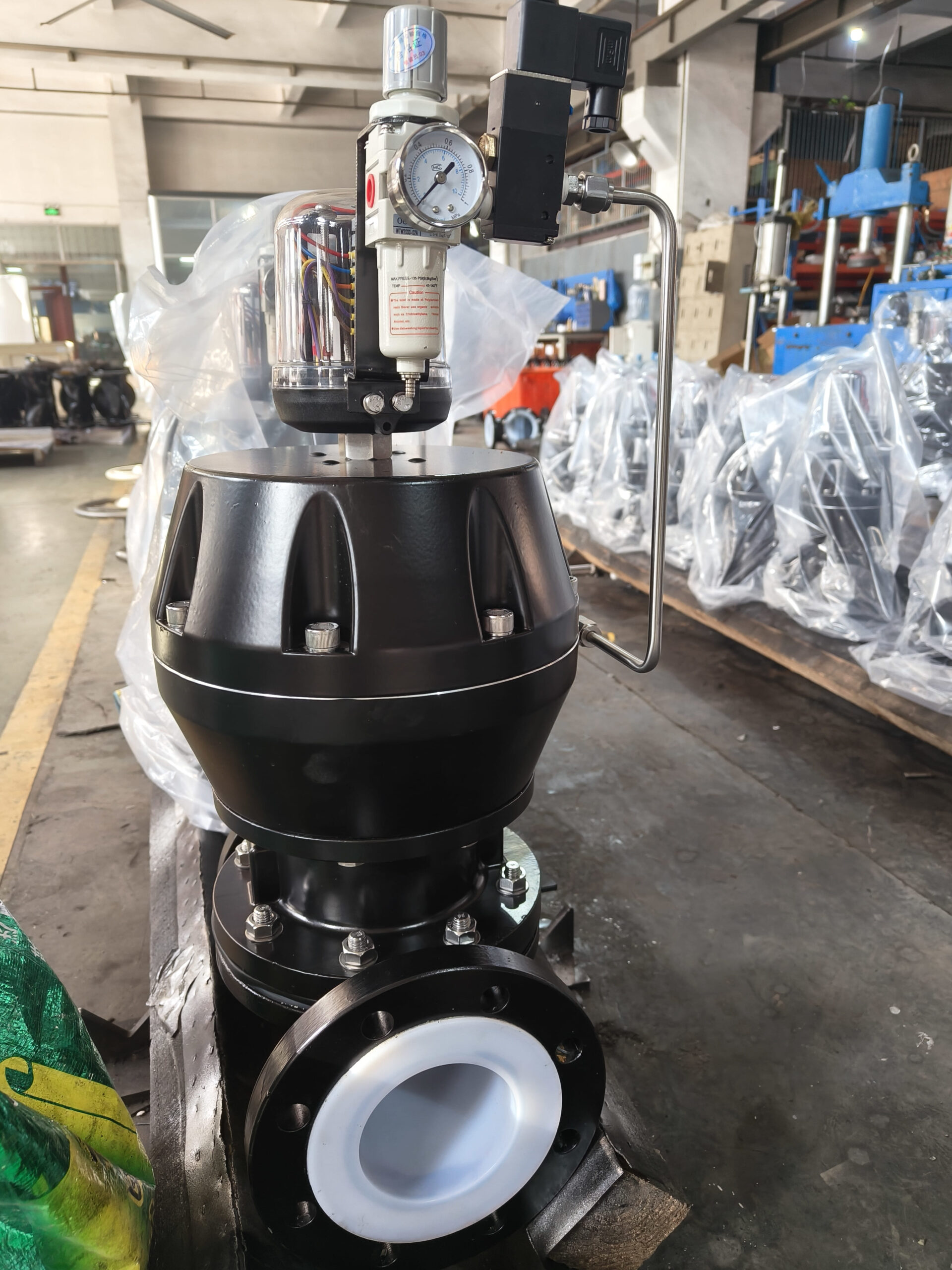
We work closely with engineering firms that design and build municipal and industrial wastewater facilities. A common problem they face is in the chemical dosing12 systems. They need precise control, but they also need valves that won't leak hazardous chemicals or get clogged by impurities. This is where diaphragm valves really prove their value. The diaphragm presses down onto a weir, creating a 100% leak-tight seal. This is critical when you're dosing chemicals like ferric chloride or sodium hypochlorite. You can't afford any drips. Furthermore, the fluids are completely isolated from the valve's bonnet assembly, so there's no risk of the actuator or handwheel corroding. For sludge lines, the full-bore design of a straight-through diaphragm valve allows thick, solids-laden material to pass easily. We often recommend EPDM or natural rubber linings for these applications, as they offer a great balance of chemical resistance and durability at a reasonable cost.
We work closely with engineering firms that design and build municipal and industrial wastewater facilities. A common problem they face is in the chemical dosing12 systems. They need precise control, but they also need valves that won't leak hazardous chemicals or get clogged by impurities. This is where diaphragm valves really prove their value. The diaphragm presses down onto a weir, creating a 100% leak-tight seal. This is critical when you're dosing chemicals like ferric chloride or sodium hypochlorite. You can't afford any drips. Furthermore, the fluids are completely isolated from the valve's bonnet assembly, so there's no risk of the actuator or handwheel corroding. For sludge lines, the full-bore design of a straight-through diaphragm valve allows thick, solids-laden material to pass easily. We often recommend EPDM or natural rubber linings for these applications, as they offer a great balance of chemical resistance and durability at a reasonable cost.
Here's how diaphragm valves fit into a typical wastewater treatment4 process:
| Process Stage | Application | Why Diaphragm Valves are a Good Fit |
|---|---|---|
| Primary Treatment | Sludge and scum lines | Handles high solids content without clogging. |
| Chemical Dosing | Dosing coagulants, flocculants, pH adjusters | Leak-tight seal prevents chemical waste and hazards. |
| Secondary Treatment | Activated sludge return and waste lines | Reliable shut-off and control of abrasive and biological media. |
| Disinfection | Sodium hypochlorite dosing | Excellent chemical resistance with appropriate linings (e.g., EPDM). |
Whether it's a manually operated valve for infrequent use or a pneumatic one for automated process control, the core benefits of reliability and containment remain the same.
Conclusion
Diaphragm valves1 are trusted in chemical plants, power stations, and wastewater facilities because they solve core problems of corrosion, abrasion, and contamination reliably and cost-effectively.
Explore this link to understand the unique design and functionality of diaphragm valves in various industries. ↩
Find out how diaphragm valves enhance safety and efficiency in chemical processing environments. ↩
Understand the role of diaphragm valves in power generation and their impact on operational reliability. ↩
Explore how diaphragm valves contribute to effective wastewater treatment and prevent leaks. ↩
Learn about the design features that contribute to the reliable performance of diaphragm valves. ↩
Learn about PFA lining and its benefits for diaphragm valves in corrosive environments. ↩
Discover materials that provide excellent chemical resistance for diaphragm valves in harsh environments. ↩
Discover the advantages of diaphragm valves in managing abrasive slurries and preventing equipment wear. ↩
Discover the benefits of EPDM rubber linings in diaphragm valves for various applications. ↩
Find out how diaphragm valves are designed to resist abrasion and extend service life. ↩
Learn about flue gas desulfurization and the critical role diaphragm valves play in this process. ↩
Find out how diaphragm valves provide leak-proof seals for safe chemical dosing in treatment plants. ↩