
Handling abrasive slurries is a constant headache. The wrong valve clogs, wears out, and causes expensive downtime. A better valve design can solve these problems for good.
Straight-through rubber-lined diaphragm valves1 are ideal for controlling abrasive and corrosive slurries. They are most commonly used in Flue Gas Desulfurization (FGD) systems2 to handle gypsum slurry, where their robust rubber lining and unobstructed flow path prevent abrasion, corrosion, and clogging effectively.
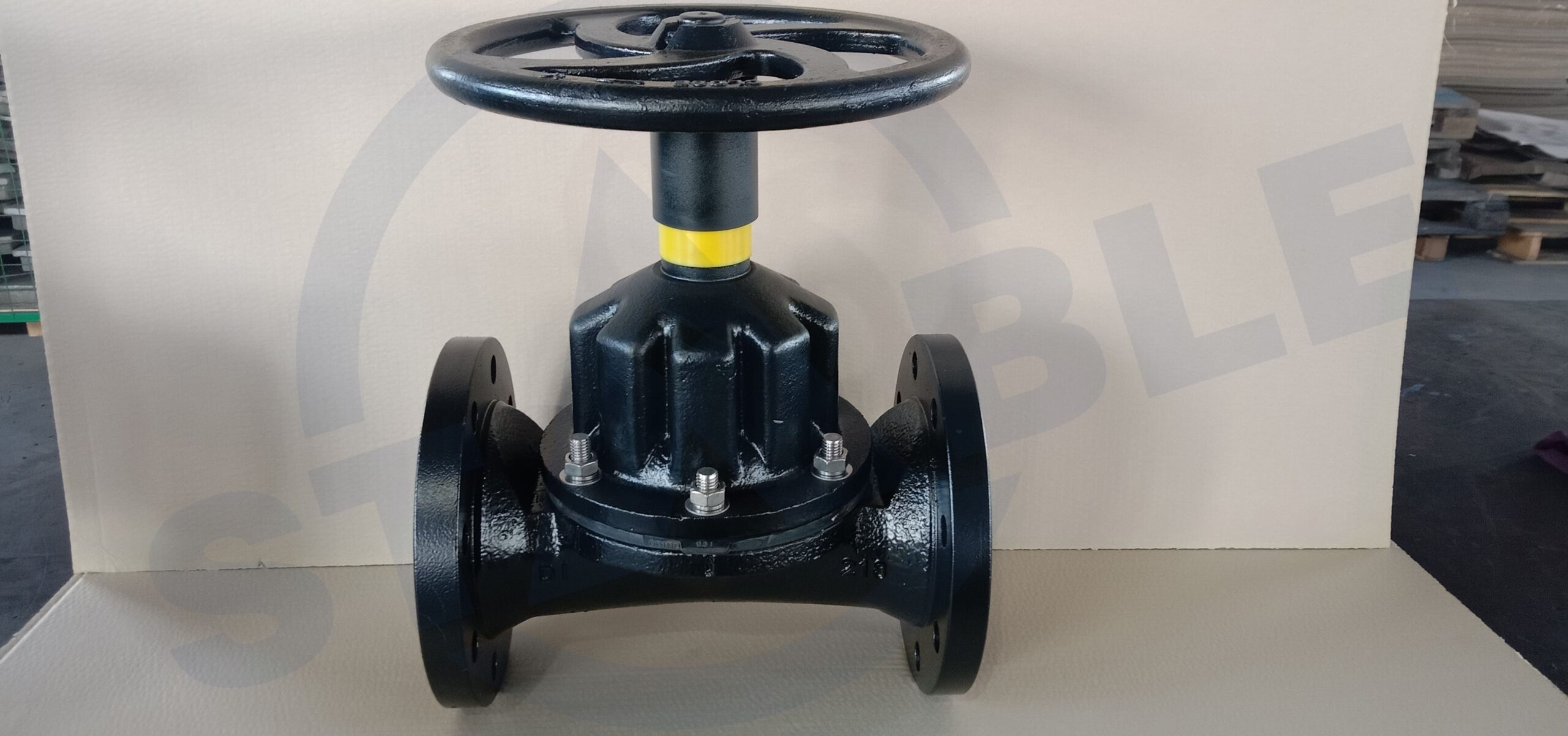
I've been in this business for years, and I've learned one simple truth. We can talk about quality all day, but nothing proves it like a repeat order. When a customer comes back to us again and again for the same valve, I know we’ve done our job right. Our straight-through rubber-lined diaphragm valves1 are one of those products. They solve a very specific set of problems, and they do it exceptionally well. It's not just about the valve itself, but understanding why it works so well in certain tough situations. Let’s explore some of those key applications and see how this valve can make a real difference in your operations.
Why are these valves perfect for flue gas desulfurization systems?
Flue gas desulfurization (FGD) systems handle abrasive limestone and gypsum slurries. Using the wrong valve here leads to rapid failure, forcing entire systems to shut down for costly repairs. Our straight-through design is built specifically to handle this challenge.
These valves excel in FGD systems because their straight, unobstructed flow path minimizes turbulence and pressure drop. The robust rubber lining directly handles the abrasive and corrosive nature of gypsum slurry, ensuring a long service life and reliable shut-off without clogging.
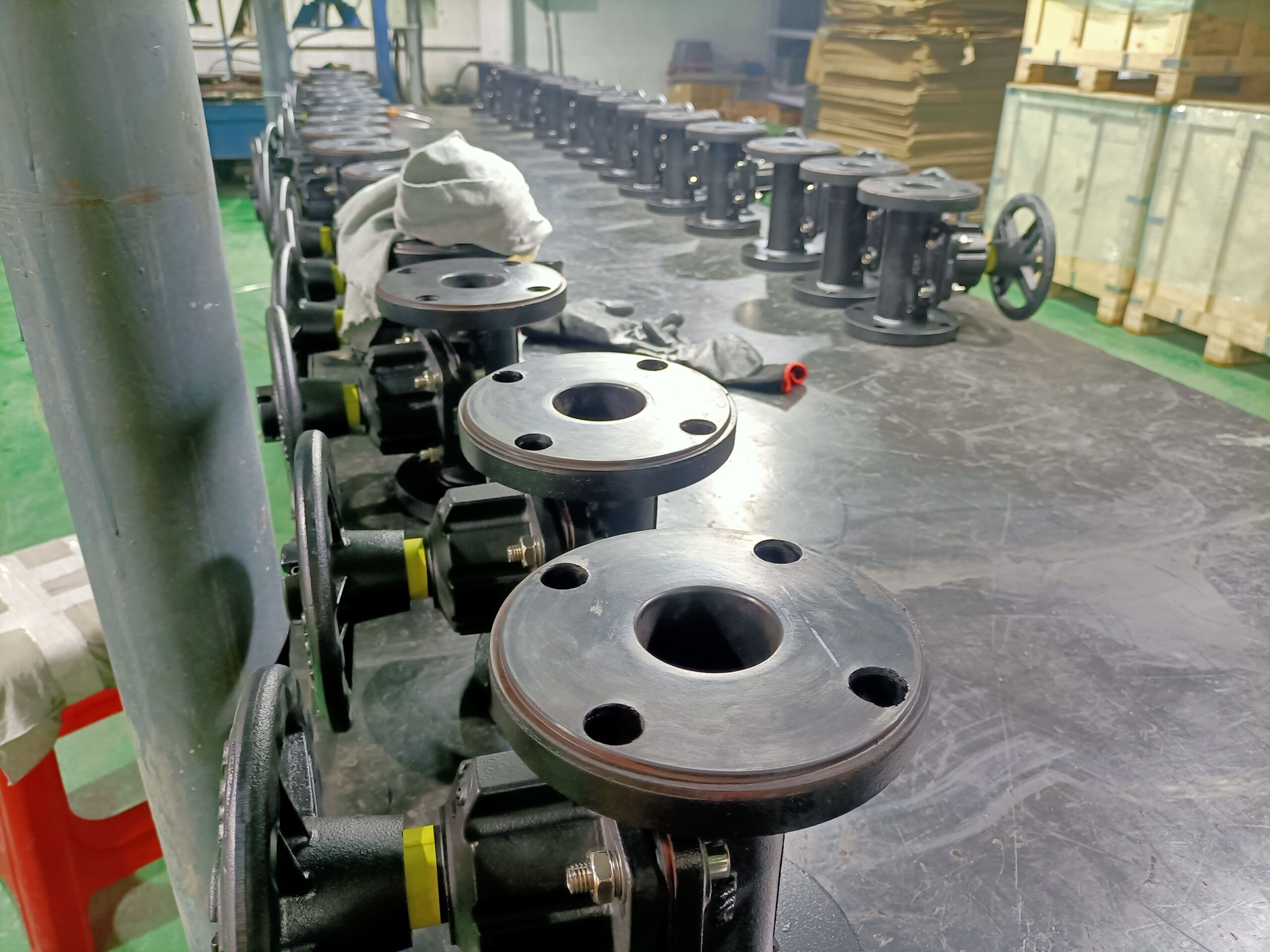
I remember talking to a procurement manager from a large power plant. He was frustrated because they were replacing the valves on their gypsum slurry lines every six months. The valves would either seize up from the solids or the body would corrode from the inside out. This is a common story in FGD applications. The process involves mixing limestone with flue gas to remove sulfur dioxide, which creates a byproduct called gypsum slurry. This slurry is a difficult medium to handle. It contains suspended solid particles that are highly abrasive, and it's also mildly corrosive. A standard valve just can't last in that environment. Our straight-through diaphragm valve, however, is designed for it. The full-bore opening allows the slurry to pass through easily, and the thick rubber lining absorbs the impact of the abrasive particles, protecting the cast iron body. We make sure the rubber lining is perfectly suited for the job.
| Feature | Straight-Through Diaphragm Valve | Standard Ball Valve |
|---|---|---|
| Abrasion Resistance | Excellent; rubber lining absorbs impact | Poor; ball and seat wear quickly |
| Clogging Risk | Very Low; unobstructed flow path | High; solids can get trapped |
| Corrosion Protection | Excellent; fluid only touches lining | Moderate; metal parts are exposed |
| Maintenance | Simple; diaphragm is easy to replace | Complex; requires full removal |
The diaphragm itself isolates all the moving parts—the spindle, the bonnet assembly—from the slurry. This means the valve's operation remains smooth and reliable over a long period. For plant operators, our bright yellow position indicator provides a clear visual cue of the valve's status, which is a small but important safety and operational feature. This combination of features is why that power plant manager became a long-term client. The proof is in the performance.
How does the straight-through design prevent clogging?
Slurries with high solids content are notorious for clogging standard valves. When a valve gets clogged, it stops your entire process line, which costs you valuable time and money. The straight-through diaphragm valve offers a simple and highly effective solution to this problem.
The straight-through, or weir-less, design creates a full-bore, pocketless flow path when the valve is fully open. This allows slurries, solids, and viscous fluids to pass through without any obstruction, almost like a straight piece of lined pipe, which dramatically reduces the risk of clogging.
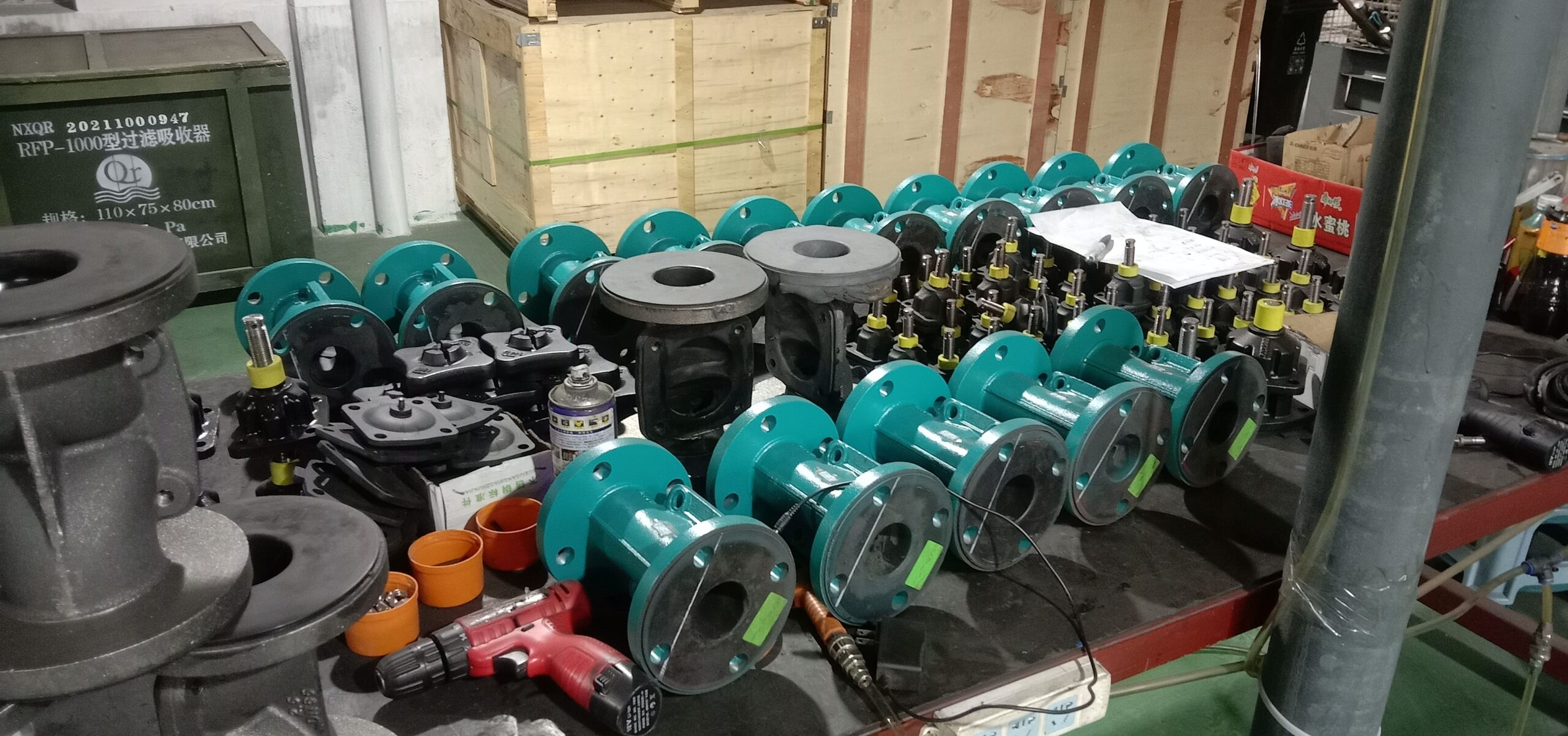
To really understand why this works so well, you have to compare it to the other main type of diaphragm valve: the weir-type. A weir-type valve3 has a raised "weir" or dam in the middle of the valve body that the diaphragm presses down on to close. This design is great for throttling and for cleaner fluids, but that weir can become an obstacle for thick slurries or fluids with suspended solids. The particles can build up against the weir, eventually causing a blockage. The straight-through design eliminates this problem entirely. When the diaphragm lifts, it moves completely out of the way, creating a straight and smooth path for the media to flow through. There are no cavities or dead spots where material can settle and build up.
We pay close attention to the manufacturing details that enhance this feature. We cast our valve bodies using a resin-coated sand process. This results in a much smoother internal surface finish compared to traditional methods. A smoother surface means less friction and fewer places for particles to catch, further preventing any potential buildup. This is a small detail, but it makes a big difference in demanding applications.
| Feature | Straight-Through Design | Weir-Type Design |
|---|---|---|
| Flow Path | Unobstructed, full bore | Raised weir in flow path |
| Clogging Risk | Very Low | Higher, especially with solids |
| Pressure Drop | Minimal | Higher due to obstruction |
| Ideal Media | Slurries, viscous fluids, solids | Cleaner fluids, gases, throttling |
This inherent anti-clogging feature makes the straight-through valve the go-to choice not just for FGD systems, but also for mining operations, wastewater treatment plants, and chemical processing facilities where reliable flow of challenging media is critical.
What makes our rubber linings so effective against abrasion and corrosion?
Abrasive slurries and corrosive chemicals will quickly destroy unprotected metal valve bodies. This leads to frequent, expensive valve replacements and the constant risk of dangerous leaks. Our specialized, mechanically applied rubber linings provide superior and long-lasting protection.
Our rubber linings, like natural rubber4 or EPDM5, are chosen for their high resilience and chemical resistance. They absorb the impact of abrasive particles and form a seamless, non-corrodible barrier. This completely isolates the cast iron valve body from the process fluid.
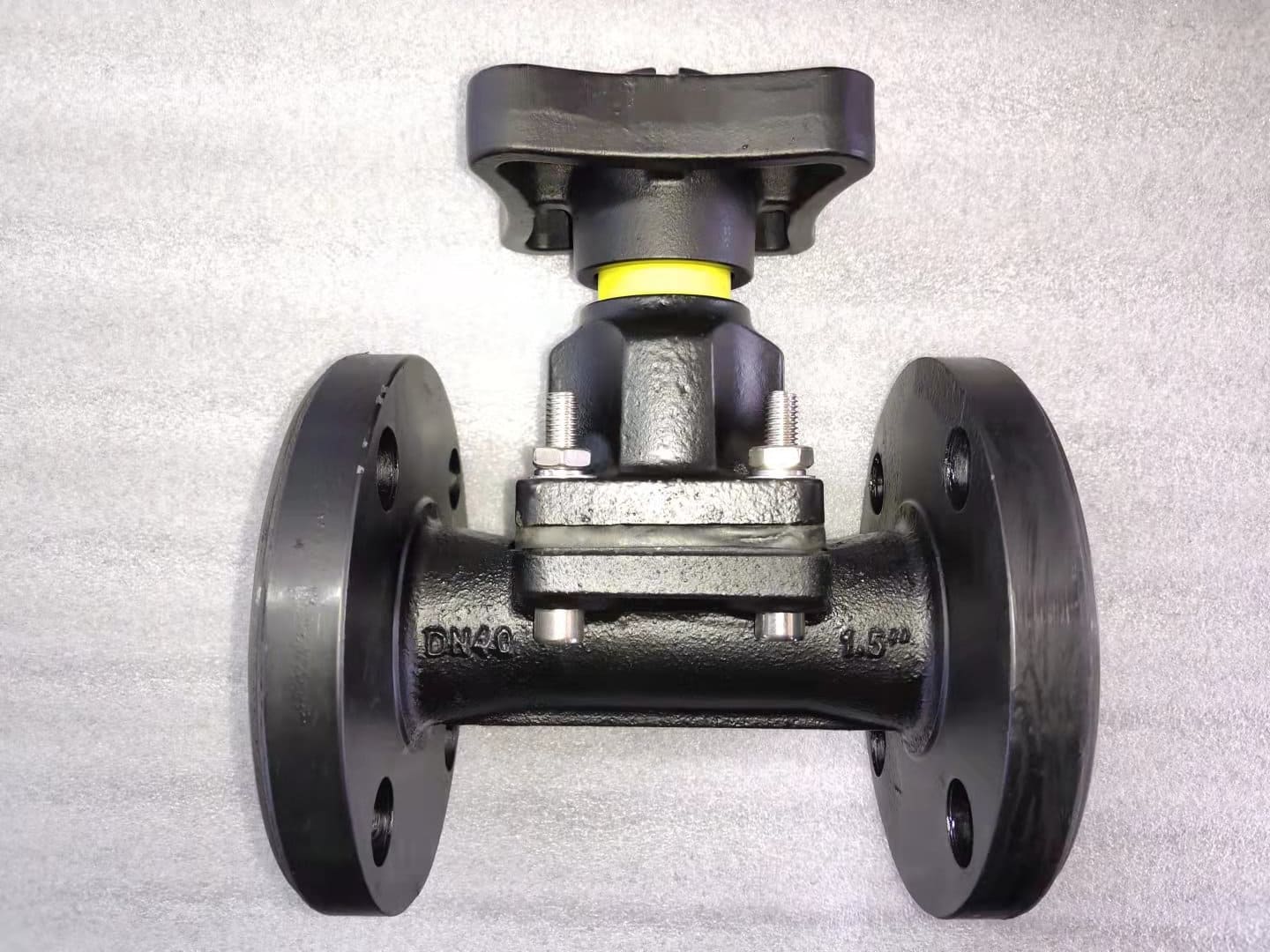
The lining is the heart of the valve's defense system. The choice of rubber is critical, and it depends entirely on the application. We offer a range of options because we know one size does not fit all. For highly abrasive slurries like gypsum or ore, soft natural rubber is fantastic. It has incredible resilience, almost like the sole of a running shoe, allowing it to absorb the energy of impacting particles without tearing. For applications involving water treatment or various chemicals, EPDM5 is an excellent choice due to its broad chemical resistance. We work with our clients to select the perfect lining for their specific process fluid, ensuring the longest possible service life.
| Lining Material | Best For | Key Advantage |
|---|---|---|
| Soft Natural Rubber | Highly abrasive slurries (gypsum, ore) | Excellent abrasion resistance and flexibility |
| Hard Natural Rubber | General purpose, moderate corrosion | Good all-around chemical resistance |
| EPDM5 | Water treatment, weak acids/alkalis | Great resistance to chemicals, weathering, and heat |
| NBR | Oils, fuels, and solvents | Superior resistance to oil-based media |
Another key factor is how the lining is applied. We use a mechanically applied lining process. This creates a stronger, more reliable bond between the rubber and the metal valve body. It results in a seamless and smoother surface that is visually superior and far less likely to delaminate or blister over time. We also use all-new molds for our valve bodies, which ensures a flawless appearance and perfect dimensions for the lining. For our clients, who are often distributors or brands themselves, the appearance and perceived quality of the product are just as important as its performance. Our process delivers on both fronts.
Conclusion
Straight-through rubber-lined diaphragm valves1 are the best choice for abrasive slurries. Their smart design prevents clogging and ensures a long, reliable service life in tough industrial applications.
Discover the benefits of rubber-lined diaphragm valves for handling challenging media in industrial settings. ↩
FGD systems play a vital role in reducing emissions; learn how they work and their environmental impact. ↩
Understanding weir-type valves helps in selecting the right valve for specific applications. ↩
Natural rubber is versatile; explore its unique properties and applications in various industries. ↩
EPDM is a popular choice for valve linings; discover its advantages in chemical resistance and durability. ↩