
Sourcing from China seems easy, but hidden quality issues can be a nightmare. A cheap valve fails, your customer is angry, and your brand reputation is damaged.
Finding a reliable partner means looking beyond the price. You must vet suppliers on their manufacturing process, material quality, and attention to detail. This protects your brand and ensures long-term value.

I've been in the diaphragm valve business for years. I have seen many international buyers make the same mistakes over and over again. They focus only on the initial cost and end up paying much more in the long run. To help you avoid this, I want to share what really matters when you are looking for a supplier. Let's break down the critical points you need to check to find a partner who will help your business grow, not hold it back.
Is a Low Price a Red Flag When Buying Diaphragm Valves?
You received a quote that is much lower than the others. It is very tempting. But you have to wonder what they cut to get that price.
A very low price often means compromises in materials, manufacturing, or quality control. A good supplier balances fair pricing with high production standards. This ensures you get real, long-term value.
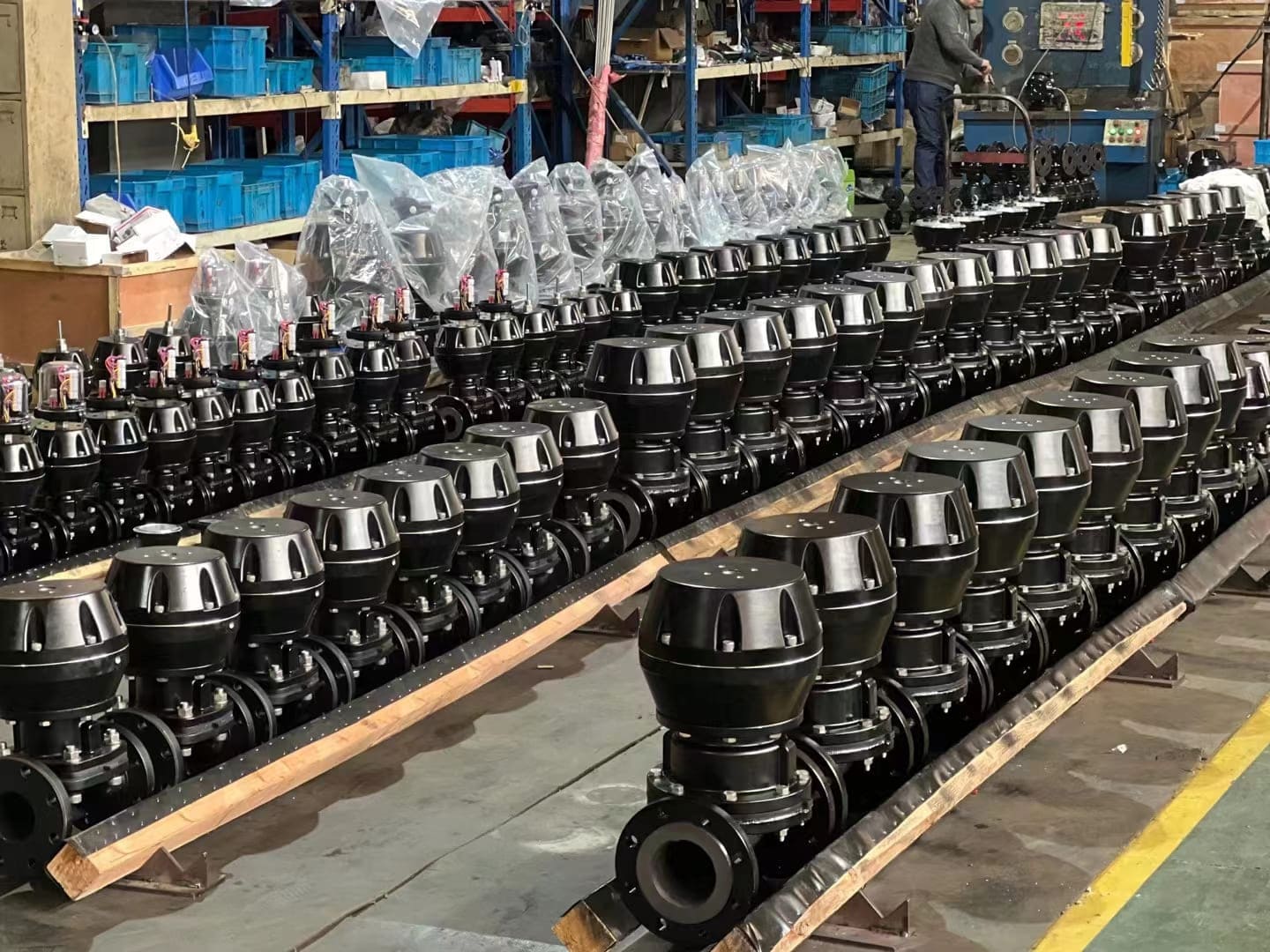
When you get a surprisingly low quote, it's smart to ask more questions. The price of a valve is not just about the metal and rubber. It includes the quality of the raw materials, the skill of the workers, and the rigor of the quality control process. A factory that cuts corners in these areas can offer a lower price today, but it will cost you more tomorrow. You might face product failures, unhappy customers, and a damaged brand reputation. A reliable factory invests in its process. For example, our lead time for a container is just 35-45 days because our supply chain is stable and our production is efficient. This is much faster than many other suppliers. Looking at the whole picture—production capacity, quality control, and delivery speed—gives you a much better idea of the true value a supplier offers.
| Factor | Low-Price Focus | Quality & Value Focus |
|---|---|---|
| Priority | Lowest possible unit cost. | Product reliability and brand reputation. |
| Materials | Cheaper, lower-grade raw materials. | High-quality, certified materials. |
| Lead Time | Often unpredictable and long. | Stable and efficient (e.g., 35-45 days). |
| Outcome | High risk of failure, customer complaints. | Consistent performance, customer loyalty. |
Why Do Small Details Like Paint and Linings Matter So Much?
You might think all valves with the same specs are the same. But then a small, unpainted part starts to rust, or a lining fails way too early.
Details like painting components for corrosion resistance1 and the quality of the lining are critical. They directly impact the valve's lifespan and prevent expensive failures in the field.
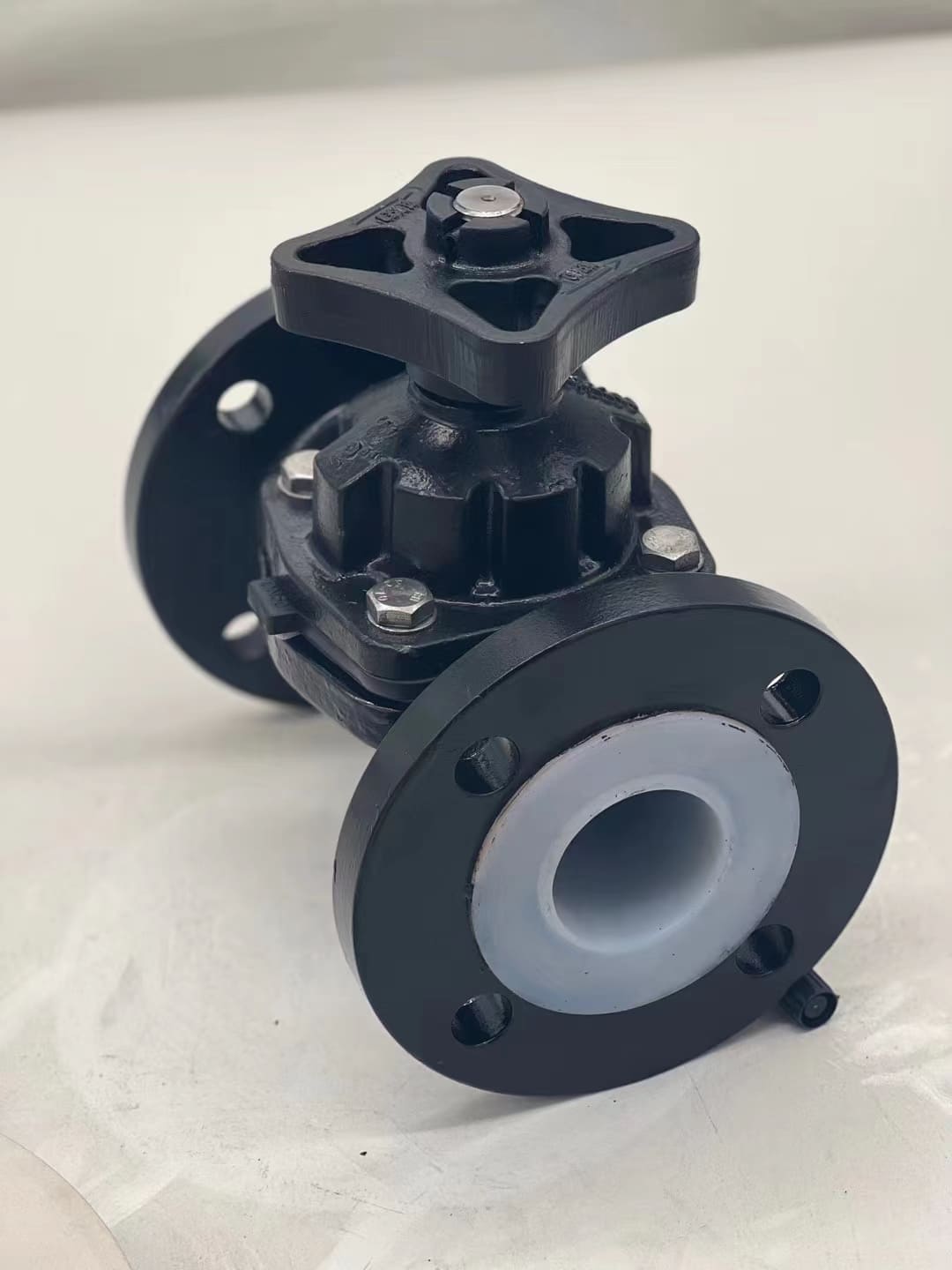
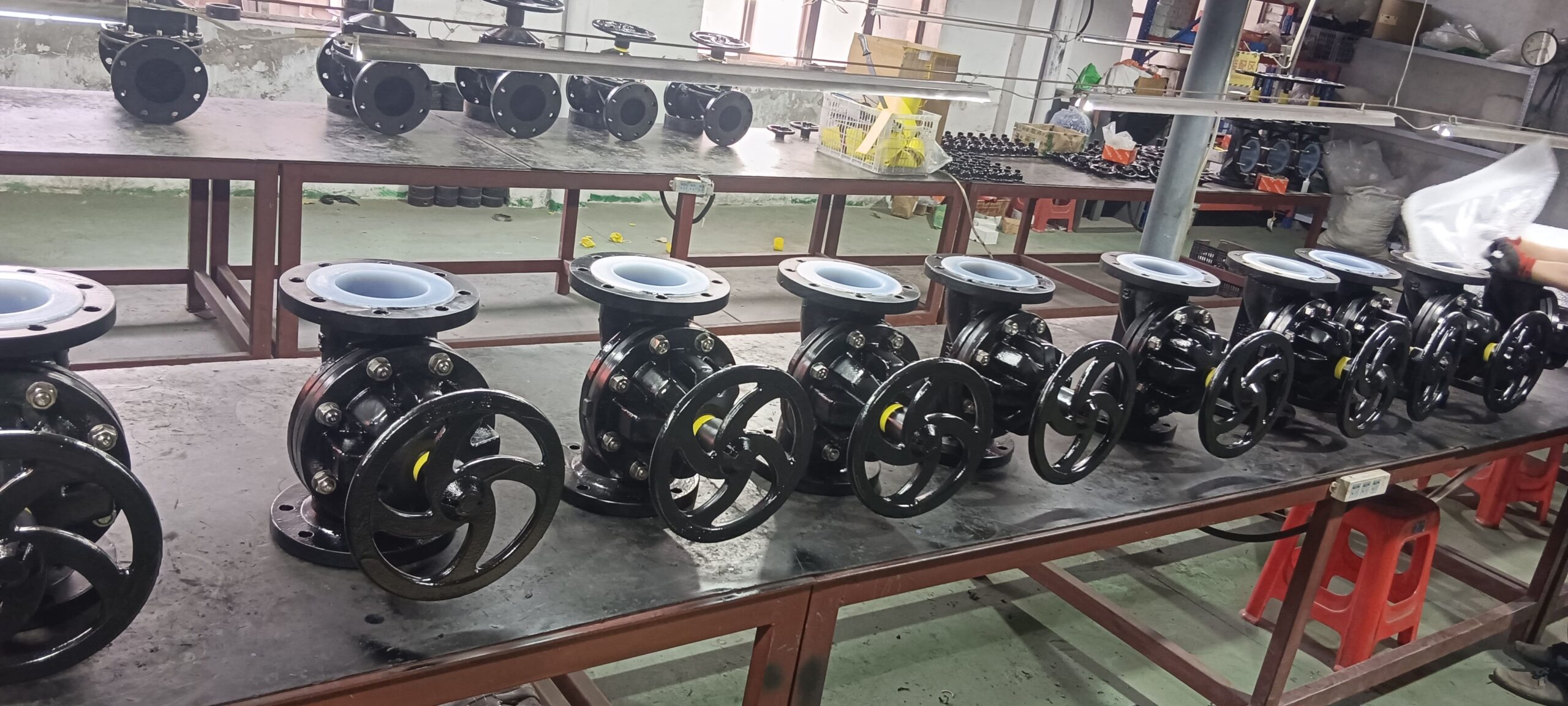
Let's talk about something simple: the compressor. This is a metal part inside the valve. Some factories don't paint it to save a tiny amount of money. But an unpainted compressor will rust quickly, especially in corrosive environments. This small detail shows a factory's commitment to quality. Another critical area is the valve lining. You might see two valves, both with "PTFE" lining, but they perform very differently. Why? The quality of the raw PTFE material and the application process are key. We use a mechanically applied lining process. This creates a seamless, smooth surface that is visually better and provides superior corrosion resistance1 compared to other methods. These are not just small details; they are the difference between a valve that lasts and one that causes a major shutdown for your customer.
| Feature | Standard Approach (Lower Cost) | Quality Approach (Our Method) |
|---|---|---|
| Compressor | Left unpainted, prone to rust. | Fully painted for corrosion protection. |
| Lining Material | Basic, lower-grade raw materials. | High-purity, top-grade materials. |
| Lining Process | Basic application, may have seams. | Mechanically applied, seamless and smooth. |
| Result | Shorter lifespan, higher failure rate. | Maximum durability and reliability. |
Does the Valve Body Material and Casting Process Really Affect Performance?
A valve body seems like a simple piece of metal. You might think as long as it doesn't break, it's fine. But casting defects2 can create weak spots.
Yes, it absolutely does. A Ductile Iron (DI) body is much more durable than Cast Iron (CI). Also, a better casting process produces a flawless body with no weak spots.
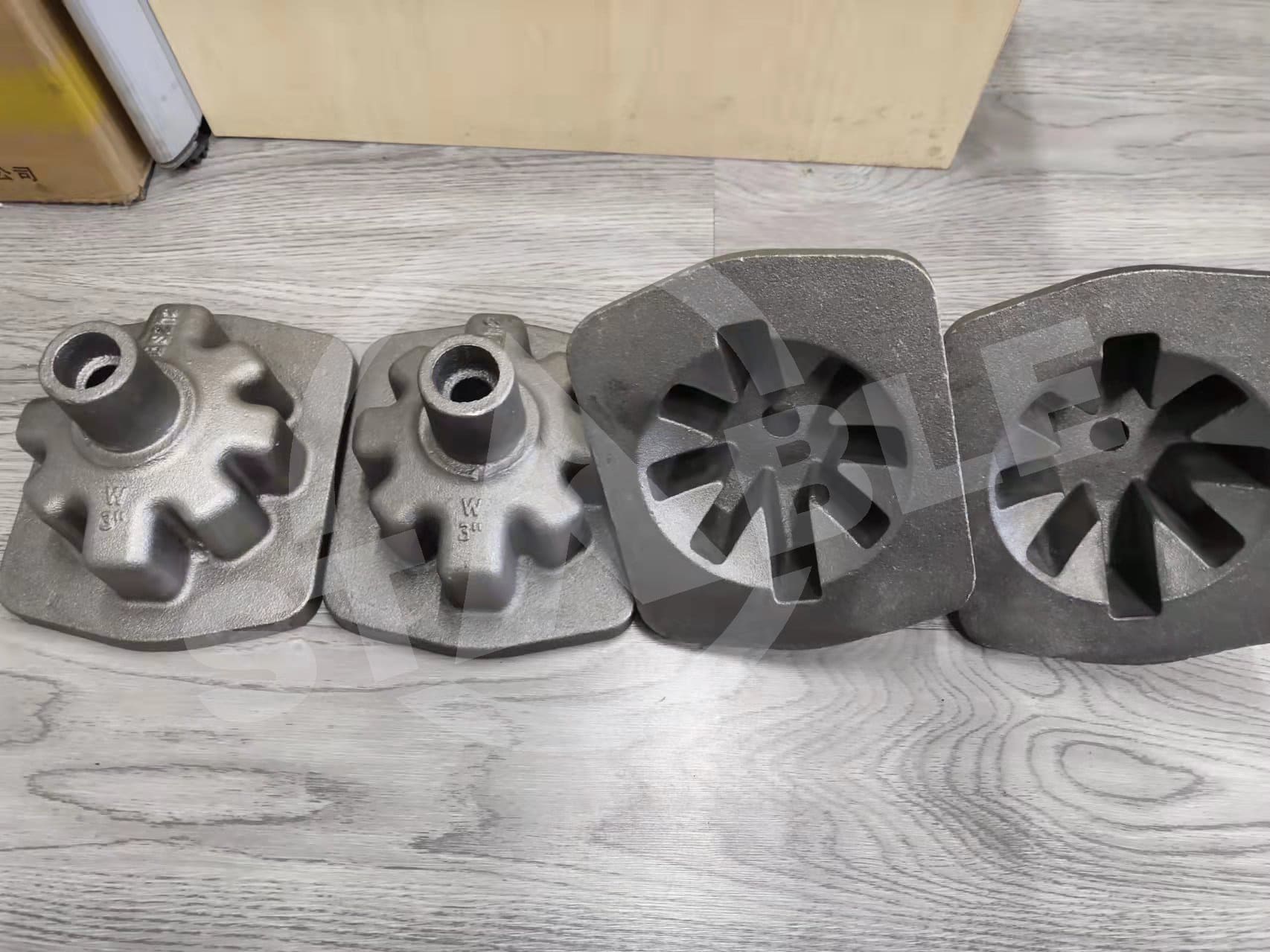
The valve body is the foundation of the entire product. The choice of material is your first major decision. Ductile Iron (DI) has better strength and ductility than standard Cast Iron (CI). This means it's less likely to crack under pressure or impact, making it a safer and more durable choice for demanding applications. But the material is only half the story. The process used to cast the body is just as important. Many factories use old methods that can leave behind sand holes, cracks, and other imperfections. We use a resin-coated sand casting process and all-new molds. This method produces valve bodies with a much smoother surface and virtually no defects. A perfect body not only looks more professional but also ensures the integrity of the valve, providing a reliable foundation for years of service.
| Aspect | Standard CI Body | Premium DI Body (Our Standard) |
|---|---|---|
| Material | Cast Iron (CI) | Ductile Iron (DI) |
| Durability | More brittle, lower impact resistance. | Stronger, more resistant to cracking. |
| Casting Method | Traditional sand casting, higher defect rate. | Resin-coated sand process, smooth finish. |
| Appearance | Often has surface imperfections. | Flawless appearance from new molds. |
Conclusion
There are no absolutely good or bad suppliers. But if you care about your brand and want repeat customers, you must prioritize quality over the lowest initial price.