
A failing diaphragm causes leaks and costly downtime. Ignoring the warning signs can shut down your entire line. Here’s how to know exactly when to replace it.
You should replace your diaphragm valve diaphragm1 when it leaks, is visibly damaged, or has deformed. As a general rule, it's best practice to replace diaphragms annually as part of your regular maintenance schedule2 to prevent unexpected failures3 and ensure operational reliability.
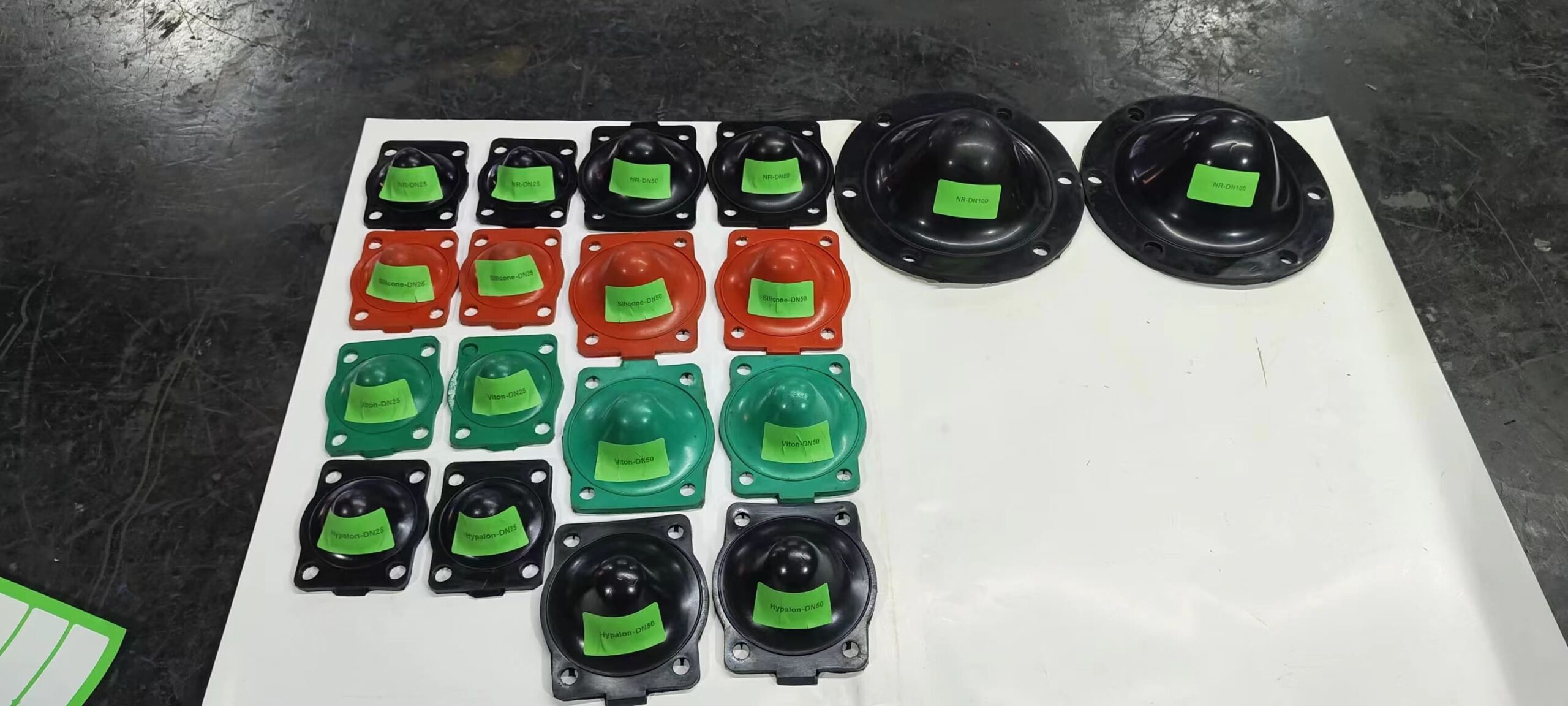
Spotting a problem is one thing, but understanding the why behind it is what truly empowers you as an operator or manager. There isn't a single hard rule, but based on my years of manufacturing these components, I've seen it all. Let's break down the most common scenarios so you can make the right call every time.
What Are the Immediate Signs of Diaphragm Failure?
Your valve is leaking or won't close properly, causing immediate problems. This failure can contaminate your product and create a safety risk. Let's pinpoint these urgent replacement signs.
The most immediate signs are visible leaks4 and the valve's inability to achieve a complete seal. If you notice fluid escaping or the flow not stopping when the valve is closed, the diaphragm has failed and needs immediate replacement to prevent further damage or downtime.
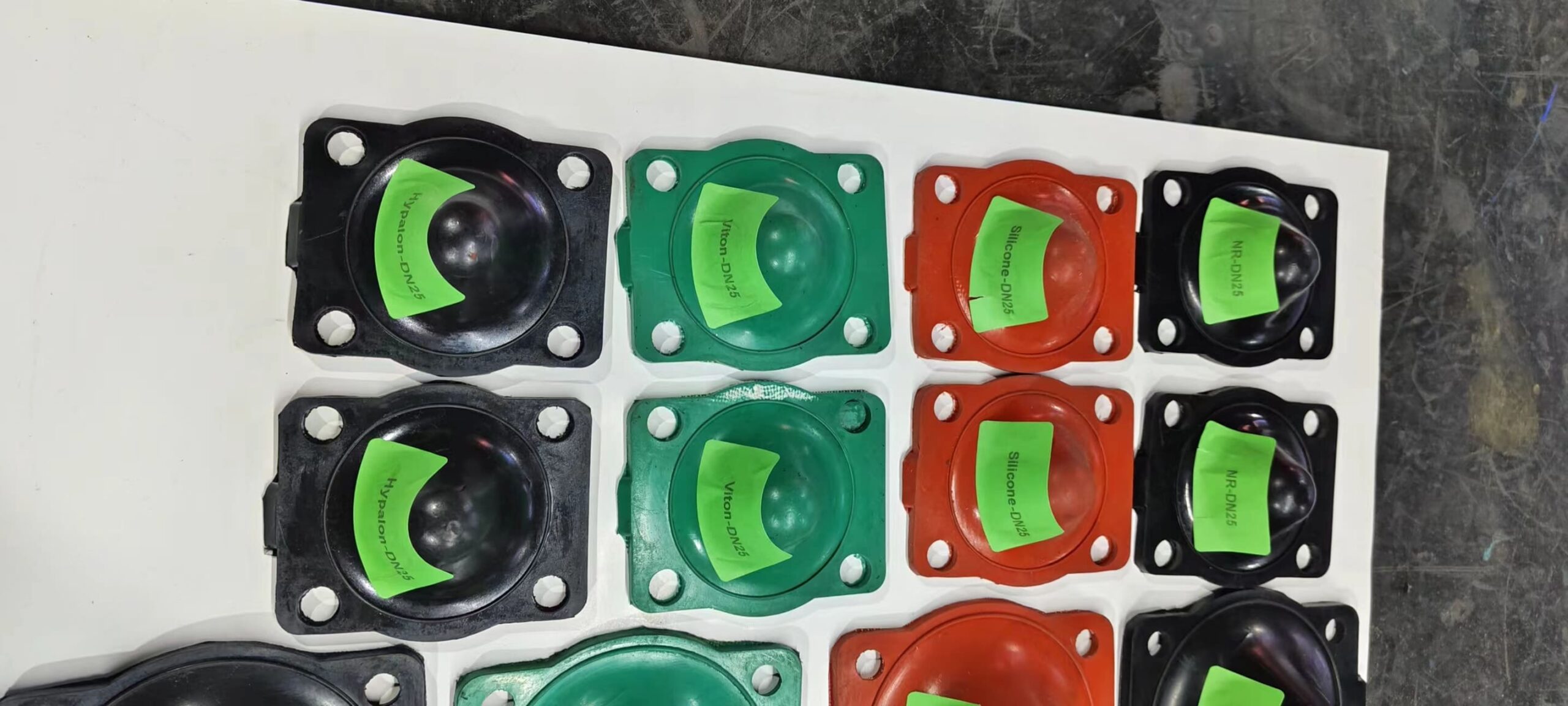
When a diaphragm can no longer do its primary job—sealing—it's a critical failure5. This isn't just a minor inconvenience; it's a direct threat to your process integrity and safety. As a manufacturer, I've seen how quickly a small issue can become a major shutdown. Let's look closer at the two main causes for this type of immediate failure.
Physical Damage from Debris
Your pipeline isn't always perfectly clean. Small, sharp particles like metal shavings, welding slag, or grit can get trapped between the diaphragm and the valve's sealing weir. As the valve closes, this debris is pressed hard into the diaphragm's flexible surface. This action can easily cause cuts, gouges, or punctures. Even a tiny pinhole creates a direct path for leaks, compromising your entire system. This is one of the most common reasons I see for premature diaphragm failure in new installations.
Material Failure and Leaks
Over time, the diaphragm material itself can degrade and lose its ability to seal effectively. This often shows up as a slow drip that gets progressively worse. The valve might seem to close fully, but it won't hold pressure. This is a clear sign that the elastomer has lost its resilience or has developed micro-cracks.
| Failure Type | Common Cause | My Recommended Action |
|---|---|---|
| Leak When Closed | Puncture or tear in the diaphragm material. | Immediate replacement is necessary. |
| Incomplete Shut-Off | Debris on the sealing face or a deformed diaphragm. | Inspect, clean the area, and replace the diaphragm. |
| Slow Drip | Material degradation or micro-cracking from age/use. | Schedule and perform a replacement as soon as possible. |
Should You Replace Diaphragms on a Schedule?
Worried about unexpected failures causing costly downtime? Waiting for a leak means emergency repairs6 and lost production. A simple replacement schedule puts you in control of your maintenance.
Yes, absolutely. As a manufacturer, I always recommend replacing diaphragms annually, even if they show no visible signs of failure. This preventative maintenance is the most effective way to avoid unexpected shutdowns and ensure your system runs smoothly and reliably throughout the year.
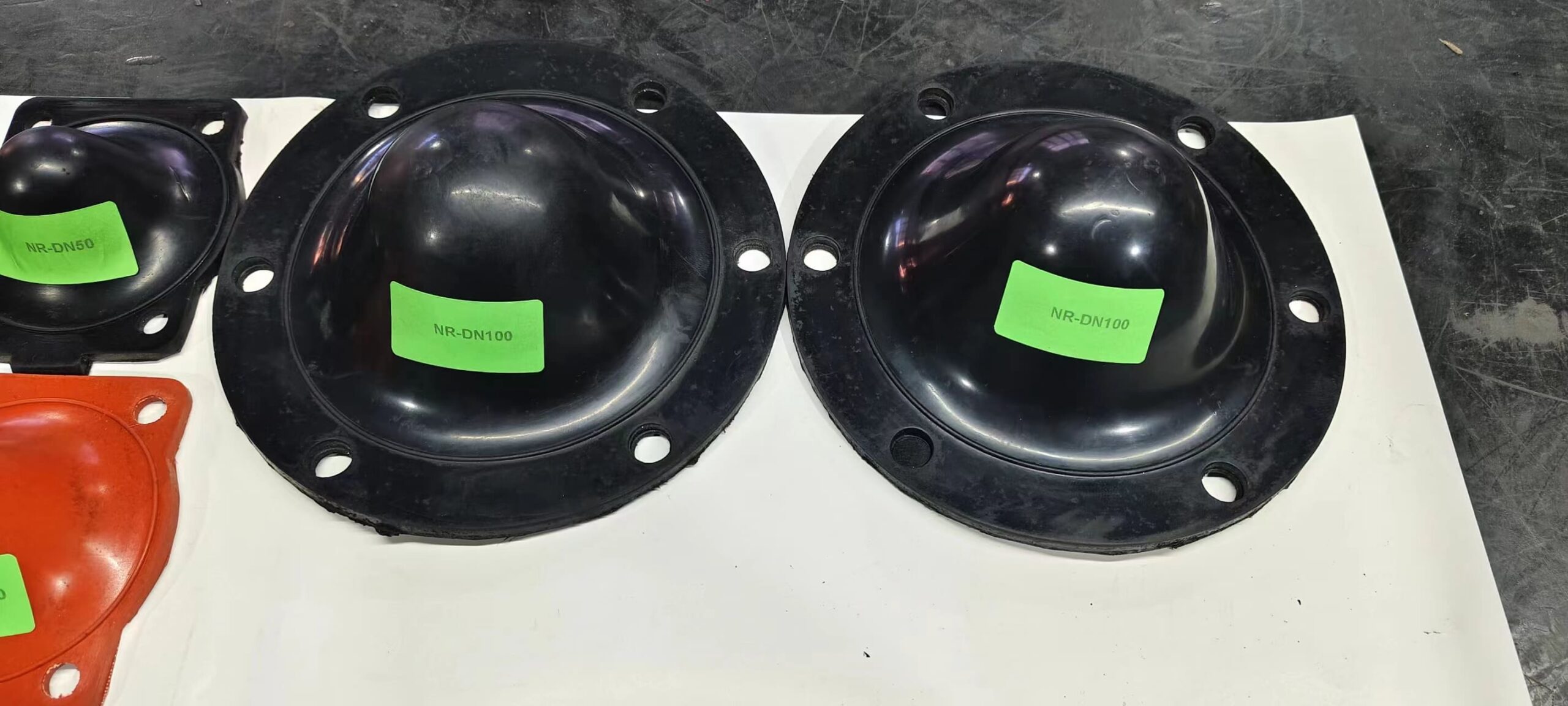
The old saying "if it isn't broken, don't fix it" simply doesn't apply to wearing components like diaphragms. Proactive replacement is smart asset management. A diaphragm has a finite lifespan, and that life is affected by temperature, pressure, chemical exposure, and cycle frequency. Waiting for it to fail is a costly gamble that almost never pays off. I've heard too many stories from clients about emergency shutdowns that could have been avoided with a simple, scheduled replacement.
The One-Year Rule
Think of it like changing the oil in your car. A one-year replacement cycle is the industry's best practice. It’s a small, predictable investment that protects against much larger, unpredictable losses from production stoppages. This simple action resets the clock on wear and tear, giving you a fresh start and peace of mind for the next 12 months.
High-Temperature Effects
Heat is a major enemy of elastomers. In high-temperature applications7, materials like our black EPDM can become brittle, crack, or even rupture. You might also see the diaphragm lose its shape.
Common Signs of Heat Damage:
- Deformation: The diaphragm no longer sits flat and appears warped or irregular.
- Brittleness: The material feels hard and has visible surface cracks, especially around the flexing area.
- Rupture: A complete tear or burst in the diaphragm material, leading to a major leak.
A deformed diaphragm won't seal correctly, even if it isn't leaking yet. It’s a clear warning sign that a failure is imminent and replacement is overdue.
Are There Special Cases That Require More Frequent Replacement?
Working in a highly regulated industry like pharmaceuticals? Cross-contamination between batches can ruin products and violate compliance. Knowing when to change diaphragms is key to protecting your process.
Yes, especially in industries like pharmaceuticals. When switching production from one drug to another, you must replace the diaphragm to prevent cross-contamination. This is a non-negotiable step to ensure product purity and meet strict regulatory standards, regardless of the diaphragm's physical condition.
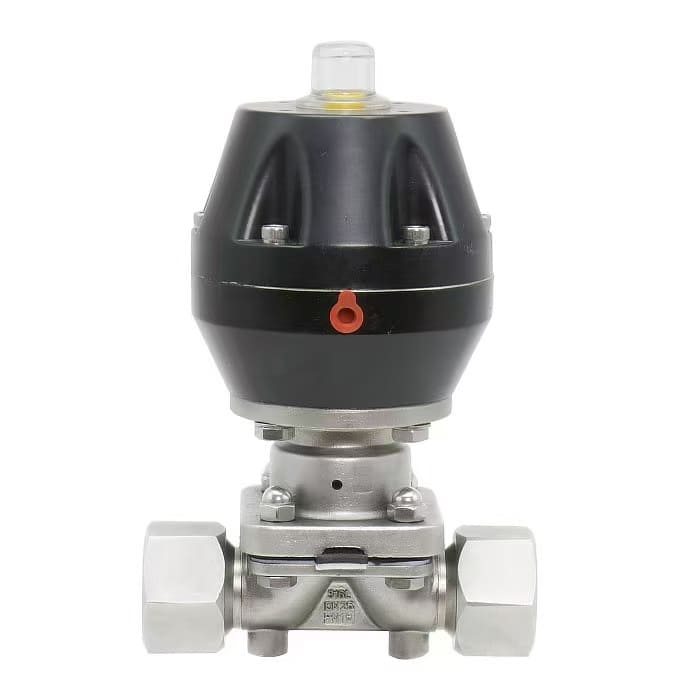
Beyond normal wear and tear, your specific application can dictate a much stricter replacement schedule. In some sensitive processes, the diaphragm must be replaced even if it's practically brand new. This is where understanding your process is just as important as understanding the hardware.
Pharmaceutical and High-Purity Processes
In drug manufacturing, purity is everything. When you finish a batch of one medicine and prepare for another, the diaphragm must be changed. This is because microscopic traces of the first drug can be absorbed into the elastomer material of the diaphragm. These trace amounts could then leach into the next batch, causing contamination and ruining the product. It’s a critical process step for quality assurance and regulatory compliance. The same logic applies to certain food and beverage applications where flavor profiles or ingredients must not mix. It's a simple, effective way to guarantee product integrity.
Choosing the Right Material Matters
The diaphragm material also plays a huge role. While our standard EPDM is a great general-purpose choice, some applications require more specialized options to extend life or ensure compatibility. As an OEM supplier, we offer a wide range to meet these needs.
| Material | Best Use Case | Key Benefit |
|---|---|---|
| EPDM | Water, wastewater, general chemicals | Good all-rounder, very cost-effective. |
| PTFE/EPDM | Aggressive chemicals, high purity | Excellent chemical resistance, non-stick surface. |
| Food-Grade EPDM | Pharmaceutical, food & beverage | Meets regulatory standards for purity (e.g., FDA). |
| NBR8 | Oils and fuels | Excellent resistance to petroleum-based fluids. |
Choosing the right material from the start can optimize your replacement cycle and improve overall performance.
Conclusion
In short, replace diaphragms when they leak, look damaged, or annually for prevention. For special uses like pharma, change them between batches. Proactive maintenance is always the best strategy.
Understanding the function of a diaphragm valve diaphragm is crucial for effective maintenance and operation. ↩
A well-structured maintenance schedule is key to prolonging the life of diaphragm valves and preventing issues. ↩
Learn strategies to avoid unexpected failures and maintain smooth operations in your system. ↩
Identifying the causes of visible leaks can help prevent costly downtime and ensure operational reliability. ↩
Understanding critical failures can help you take immediate action to protect your processes. ↩
Understanding the costs of emergency repairs can motivate proactive maintenance and replacements. ↩
Learn how high temperatures can impact diaphragm performance and lifespan. ↩
Learn about NBR's unique properties and its applications in diaphragm valves for optimal performance. ↩