
Struggling with valve failure in your chemical plant? Corrosive media can cause leaks and costly downtime. Diaphragm valves1 provide the ultimate protection, ensuring safety and operational reliability.
Diaphragm valves1 excel in chemical plants by using a flexible diaphragm to isolate corrosive media from the valve's working parts. With robust linings like PTFE, they ensure leak-free operation, precise flow control, and long-term reliability even with the most aggressive acids, alkalis, and solvents2.
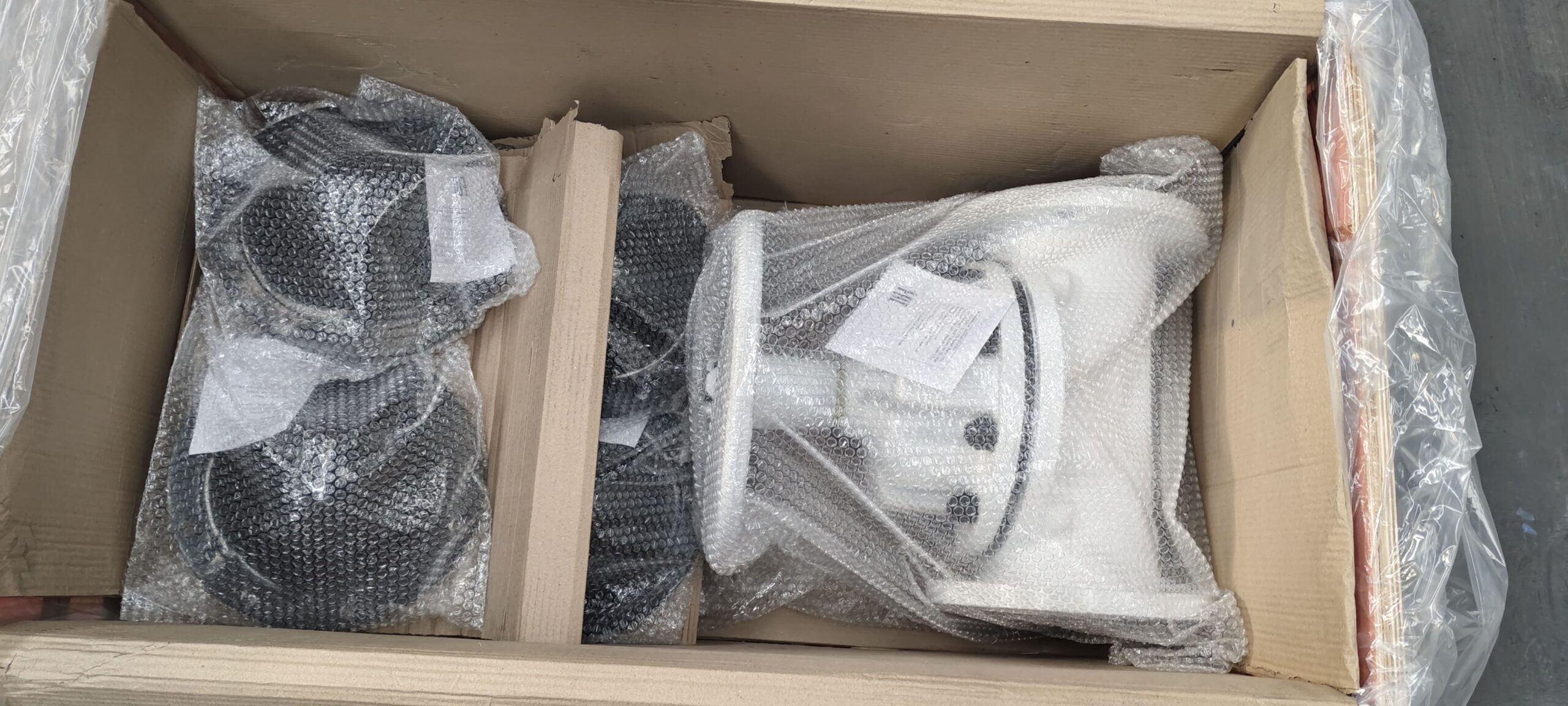
As a manufacturer with over 15 years of experience, we've seen firsthand how the right valve can make or break a chemical process. The secret isn't just the valve type, but the specific design and materials used. Let's explore how these details make our diaphragm valves the superior choice for handling harsh chemicals.
Why Are Lined Diaphragm Valves Essential for Corrosive Chemicals?
Are corrosive chemicals degrading your valves and contaminating your process? This constant battle leads to frequent replacements and safety risks. Lined diaphragm valves provide a complete, non-reactive barrier.
Lined diaphragm valves are essential because they completely isolate the metal valve body from corrosive media. Materials like PTFE, PFA, and ETFE offer superior chemical resistance, preventing corrosion, extending the valve's life, and ensuring the purity of the final product without risk of contamination.
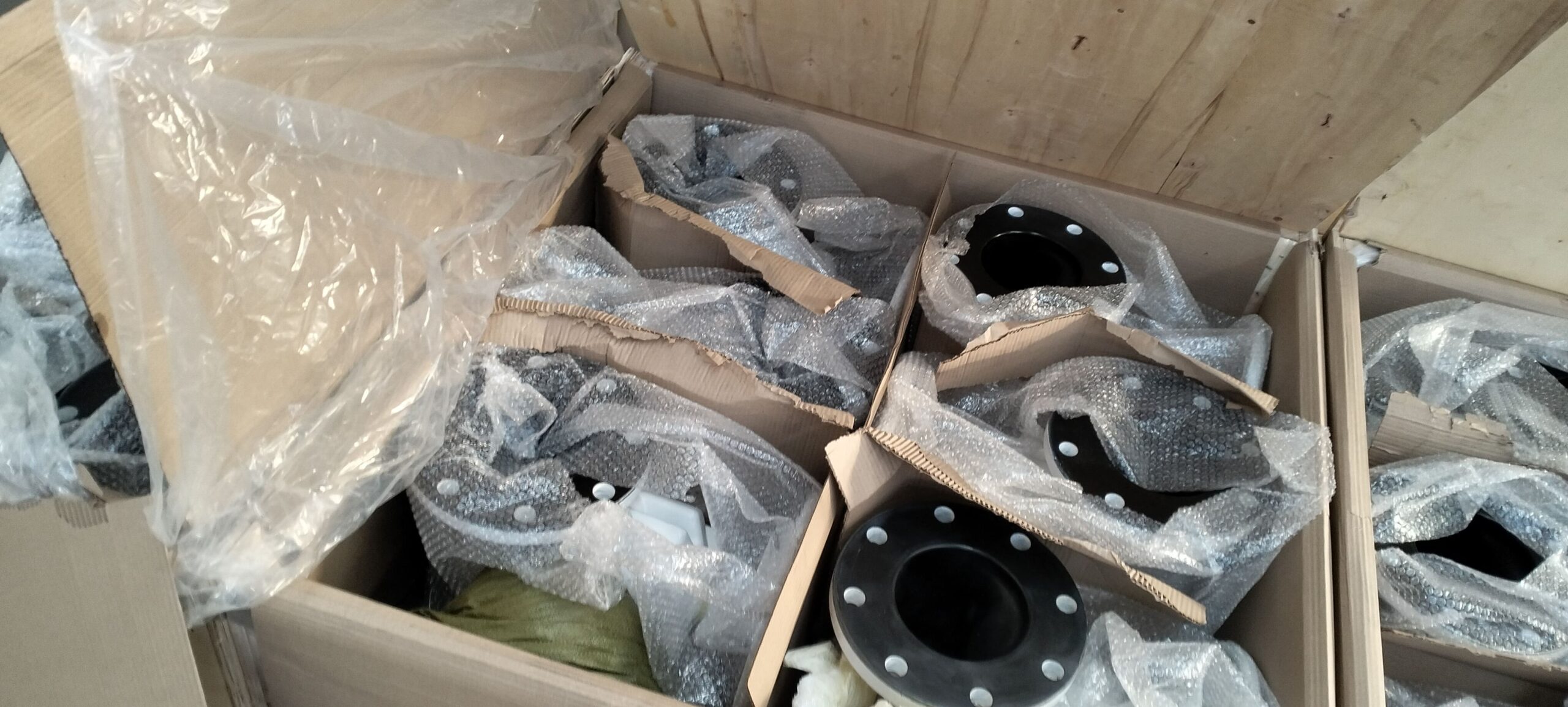
We designed our valves specifically for harsh chemical processes. The key is how we combine a simple, reliable structure with advanced materials. The diaphragm itself creates a leak-proof seal3, but the lining is what provides the primary defense against corrosion.
Choosing the Right Design and Lining
We offer two main designs, each suited for different needs. Weir-type valves4 are excellent for precise throttling and control, while straight-through designs are ideal for slurries or fluids with suspended solids. However, the real hero is the lining. By mechanically applying linings like PTFE or ETFE, we create a seamless, non-reactive barrier. This isolates the cast iron or ductile iron body from aggressive media, preventing degradation and ensuring a long service life. This method is superior to other application techniques, resulting in a smoother, more reliable surface.
Chemical Resistance Comparison
Our lined valves can handle a wide range of aggressive chemicals. The right choice depends on your specific application.
| Lining Material | Common Applications & Resistance |
|---|---|
| PTFE / PFA | Strong acids (sulfuric, hydrochloric), alkalis, solvents. Best for high-purity needs. |
| ETFE | Excellent broad-spectrum chemical resistance and mechanical toughness. |
| EPDM Rubber | Good for water treatment chemicals, dilute acids, and alkalis. Not for oils or solvents. |
| NBR Rubber | Suitable for oils, fuels, and some solvents. Less resistant to strong acids. |
This robust construction ensures our valves provide dependable performance across a wide range of demanding chemical applications, from water treatment to pharmaceutical production.
How Do Diaphragm Valves Ensure Precision in Chemical Dosing Systems?
Struggling with inconsistent chemical dosing? Inaccurate flow control can ruin batches and waste valuable resources. Our diaphragm valves provide the smooth, precise performance your automated systems demand.
Diaphragm valves1 ensure precision through their smooth, linear flow path, which eliminates turbulence and allows for accurate throttling. When paired with pneumatic or electric actuators, they integrate seamlessly into automated systems for repeatable, reliable dosing and tight shut-off, preventing waste and ensuring process consistency.
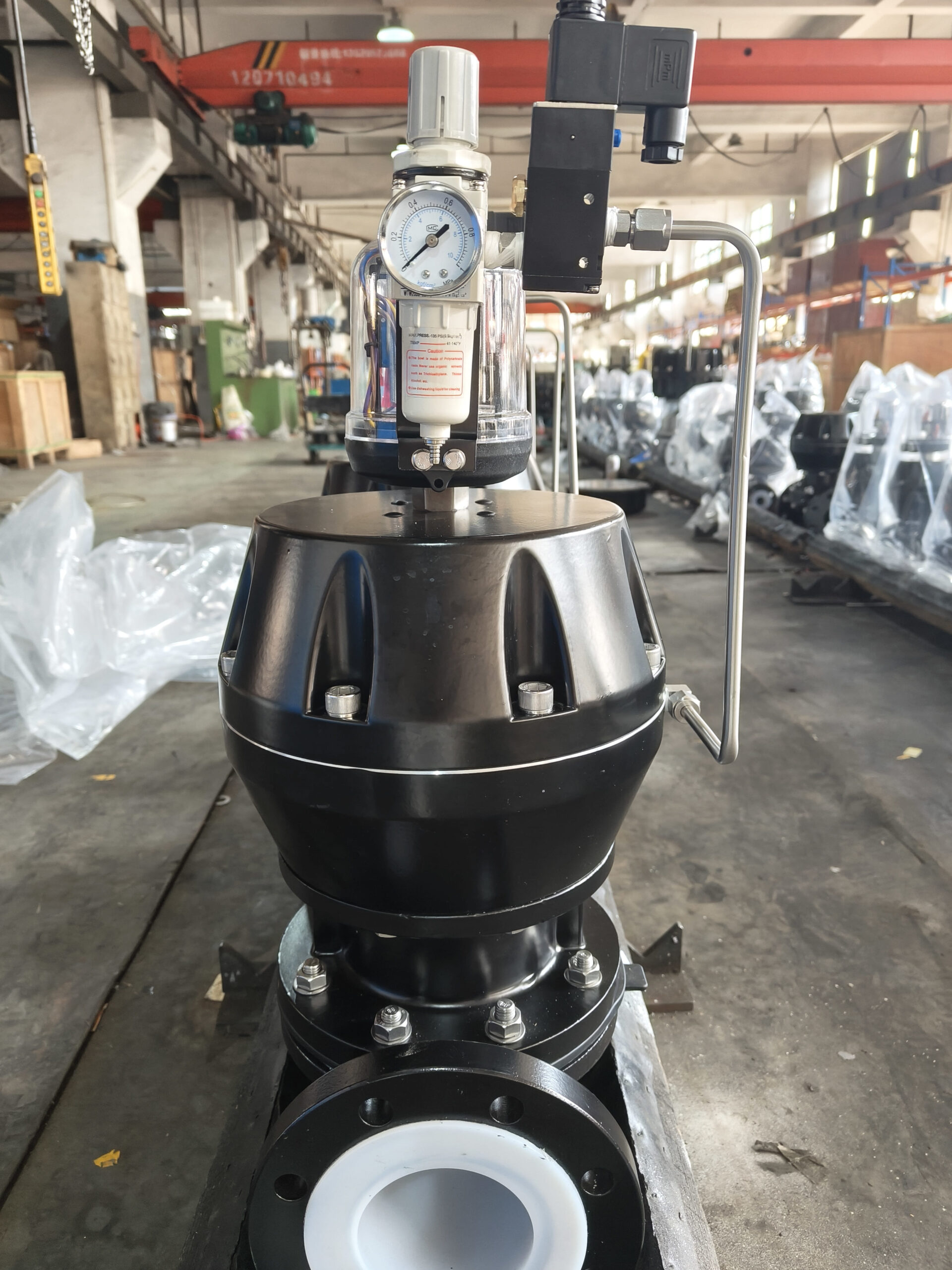
Precision is non-negotiable in chemical dosing and synthesis. Even small variations can lead to failed batches or safety issues. We built our diaphragm valves to deliver the accuracy required for these critical tasks. The internal design is intentionally smooth and free of cavities, which creates a laminar, non-turbulent flow. This makes the valve's response to adjustments highly predictable and repeatable, which is essential for accurate metering.
Integration with Automated Systems
Modern chemical plants rely on automation. Our valves are designed for easy integration. The compact, modular bodies can be fitted with our pneumatic actuators. This allows for remote control and seamless connection to your plant's monitoring and control systems (DCS or PLC). This combination provides operators with the ability to execute precise dosing recipes automatically, reducing the chance of human error and improving overall efficiency.
Meeting Global Requirements
We serve clients across the globe, from Australia and Italy to the UK and South Africa. We understand that system integration means fitting into existing infrastructure. That's why we offer a variety of flange configurations to meet international piping standards, including DIN, ANSI, and JIS. This ensures our valves can be installed into your systems without costly modifications, providing a true plug-and-play solution for your flow control needs.
What Makes Diaphragm Valves a Cost-Effective Choice for Long-Term Use?
Tired of high maintenance costs and frequent production stops for valve repairs? This downtime directly impacts your profitability and operational efficiency. Diaphragm valves1 offer a smarter, long-term solution.
Diaphragm valves1 are cost-effective due to their simple design with only one primary moving part—the diaphragm. This part can be replaced quickly in-line without removing the valve body, drastically reducing maintenance time and labor costs. Their robust, corrosion-resistant construction ensures a long service life.
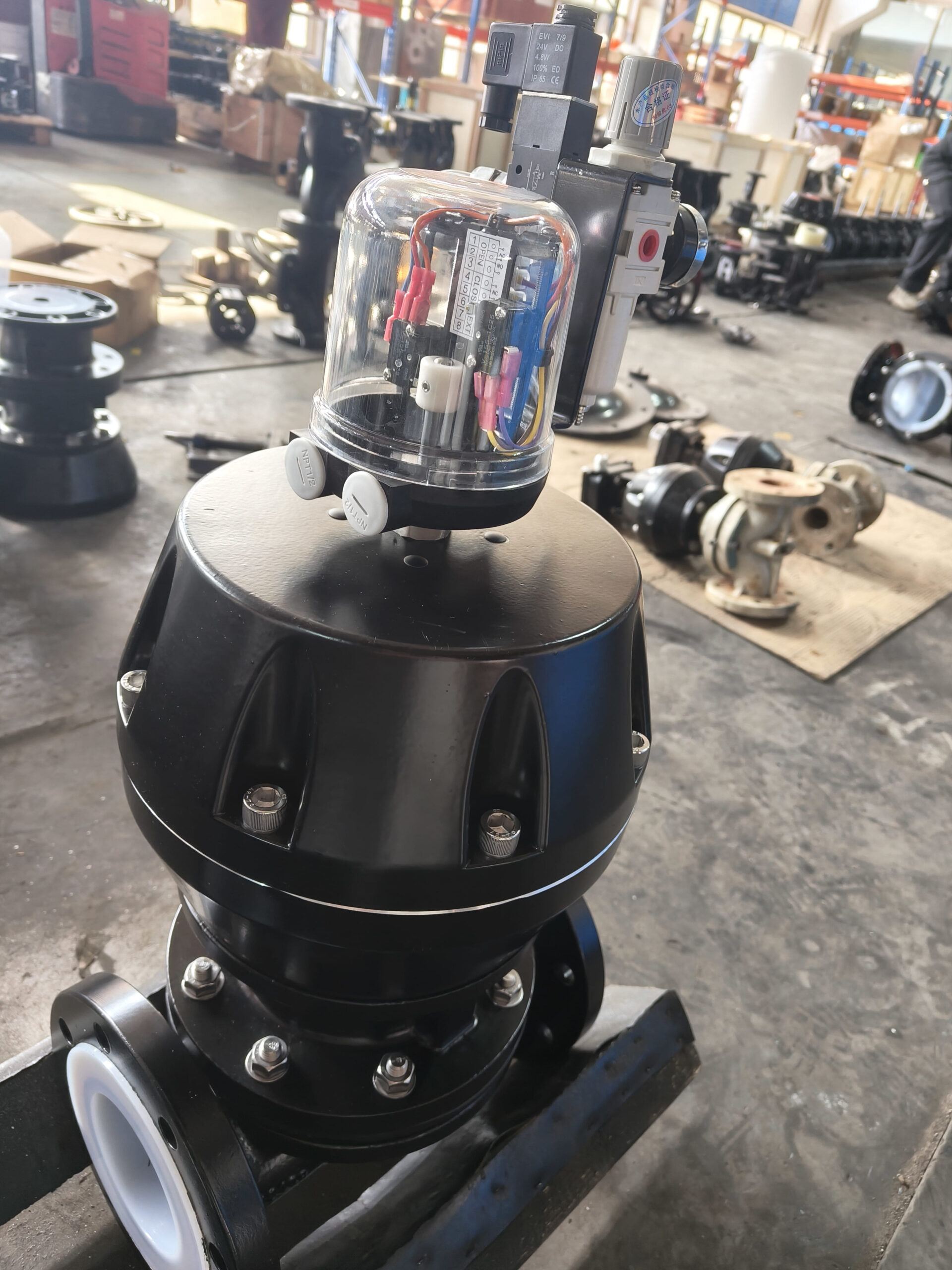
When evaluating total cost of ownership, diaphragm valves consistently prove to be a highly efficient choice. While the initial investment is important, the real savings come from reduced maintenance and extended operational life. Our design philosophy focuses on maximizing uptime and minimizing service complexity. The diaphragm is the only part that typically requires replacement, and we designed the valve so this can be done quickly, often without removing the valve from the pipeline.
Key Factors in Lifecycle Efficiency
Several design and manufacturing choices contribute to the low long-term cost of our valves.
- Simplified Maintenance: With the bonnet separated from the flow path, you can service the valve's top works while the line is still active (though isolated). Replacing the diaphragm is a simple, quick task.
- Modular Actuators: Our actuator components are modular. This simplifies upgrades or changes in control strategy, such as switching from manual to pneumatic operation, without needing a whole new valve.
- Superior Casting: We use a resin-coated sand casting process for our valve bodies. This results in fewer imperfections and a flawless appearance, contributing to the valve's structural integrity and longevity. Our all-new molds ensure every valve body is perfect.
These features combine to significantly reduce downtime and labor costs over the valve's lifespan, making them a wise investment for any chemical plant focused on operational excellence.
Conclusion
In summary, our lined diaphragm valves provide the safe, precise, and cost-effective control essential for modern chemical plants, ensuring reliability from dosing lines to complex synthesis processes.
Diaphragm valves offer protection and reliability, making them essential for handling aggressive chemicals in industrial settings. ↩
Diaphragm valves are designed to withstand harsh chemicals, ensuring long-term reliability and safety in chemical plants. ↩
A leak-proof seal is crucial for preventing contamination and ensuring the purity of chemical processes. ↩
Weir-type valves offer precise throttling and control, making them ideal for applications requiring accurate flow management. ↩