
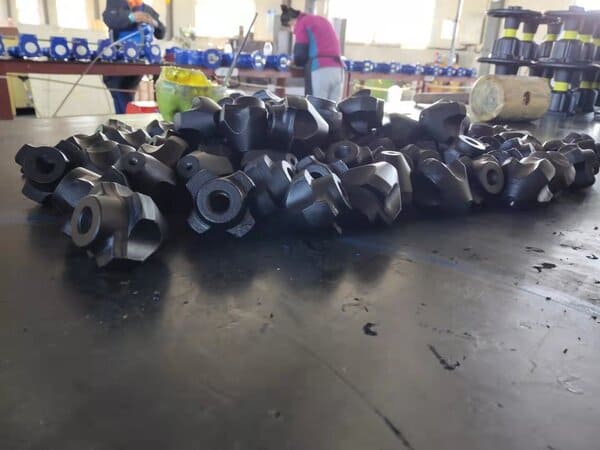
Dealing with unstable pressure and temperature1? It can ruin your flow control. This leads to system damage and constant manual adjustments, a real headache for any operation manager.
Diaphragm valves provide stable flow by using a flexible diaphragm2 that automatically adjusts to pressure and temperature changes. This self-regulating action3 maintains a consistent flow rate, protecting the system from damage and eliminating the need for complex external controls, ensuring reliable and efficient operation.
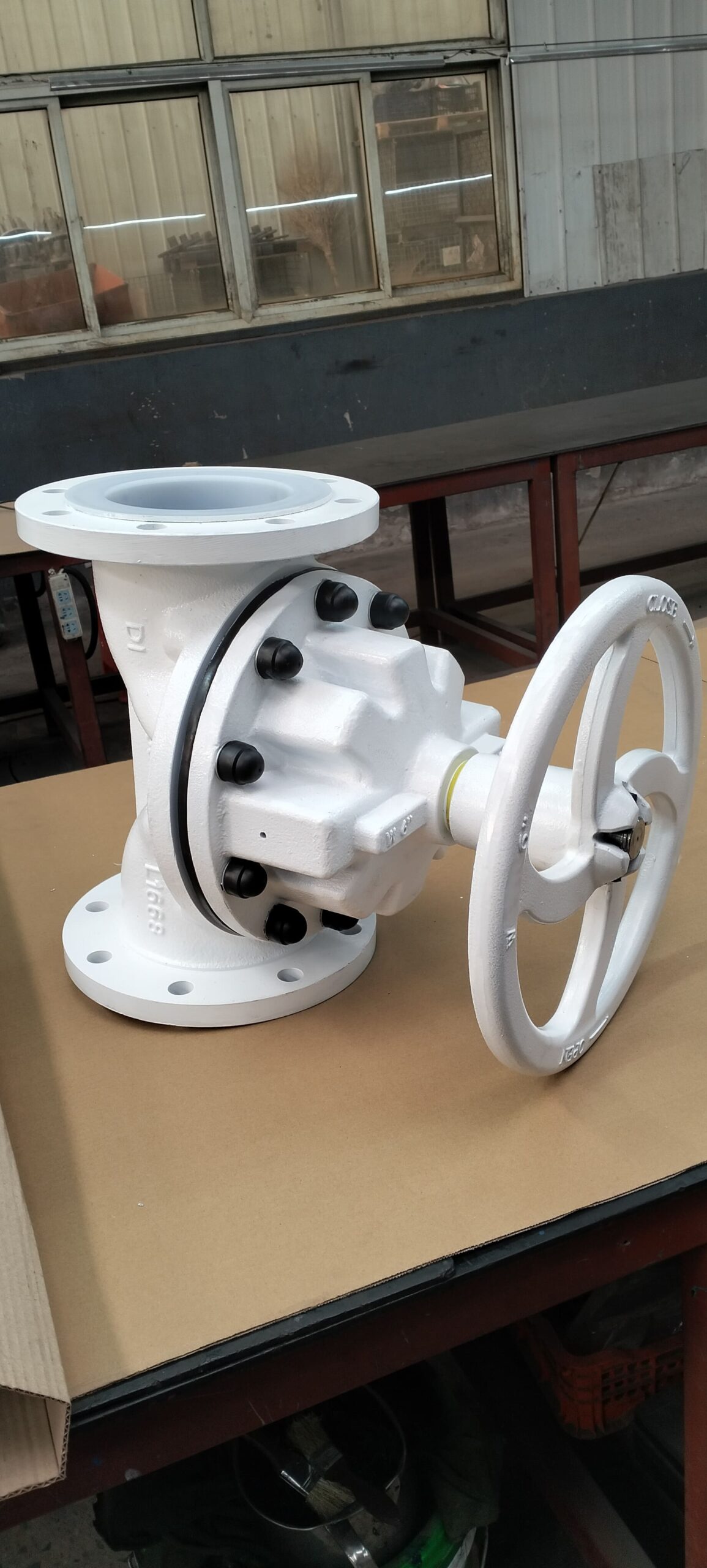
I've seen many clients struggle with unpredictable systems. They spend too much time and money fighting fluctuations instead of focusing on production. It seems almost too simple, but a diaphragm valve's design is the perfect solution. This simple component offers incredibly sophisticated control. But how exactly does it work its magic? Let's break down the key features that make these valves so reliable.
How Does a Flexible Diaphragm Respond to Pressure Changes?
Are you worried about sudden pressure spikes damaging your system? These events cause inconsistent flow and can lead to catastrophic equipment failure. A diaphragm valve's flexible membrane acts like a built-in shock absorber.
A diaphragm valve’s flexible membrane responds to system pressure changes by moving. It flexes inward to restrict flow when pressure rises and opens up as pressure drops. This dynamic adjustment4 ensures a consistent flow rate, protecting downstream components from over-pressure and damage.
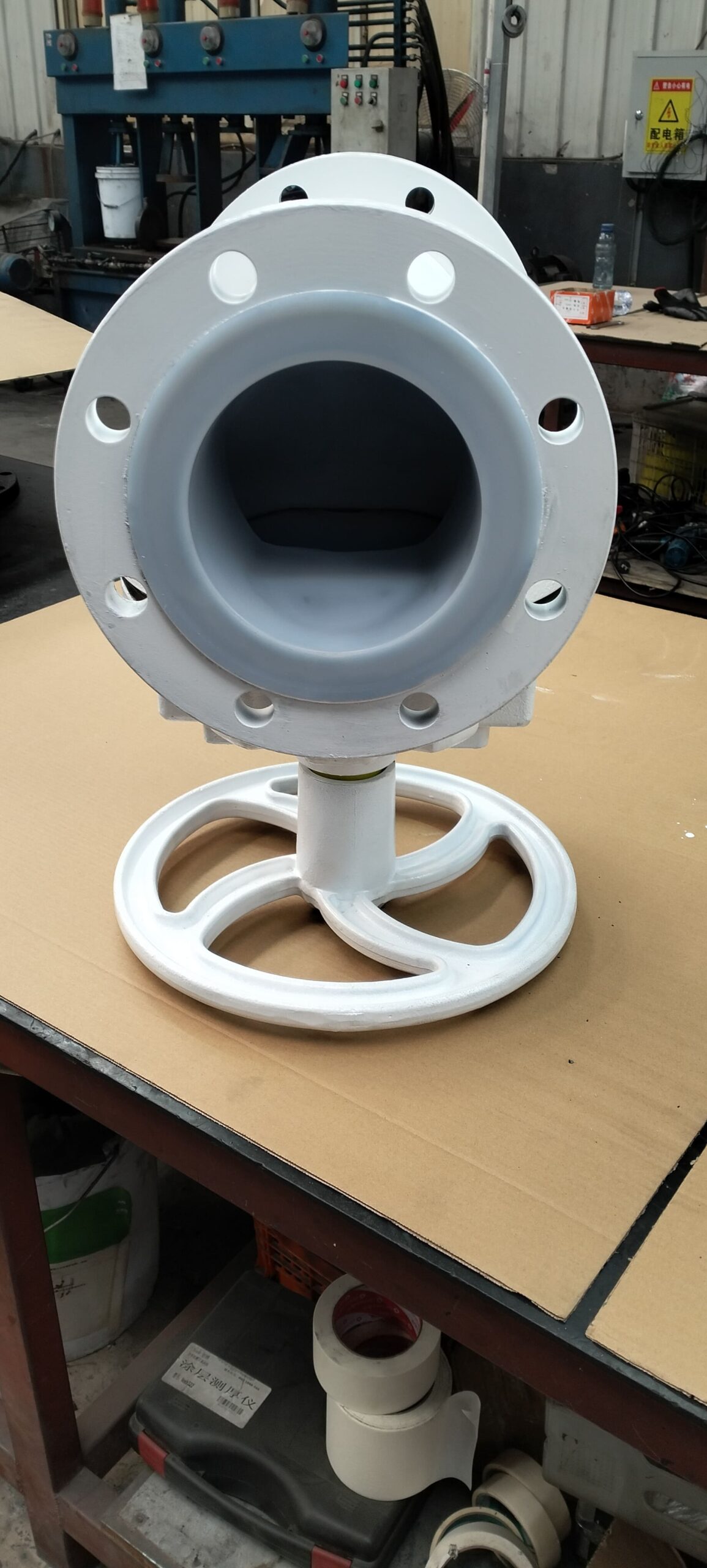
When I talk to procurement managers, their biggest fear is system downtime. A simple pressure surge can bring everything to a halt. The beauty of the diaphragm valve lies in its flexible diaphragm. Think of it as a smart barrier. When system pressure suddenly increases, the diaphragm naturally flexes inward, slightly narrowing the flow path. This prevents a dangerous surge from traveling downstream. Conversely, if pressure drops, the diaphragm relaxes and opens the path wider, maintaining the target flow rate. This self-regulating feature is a game-changer. Unlike valves with rigid gates or plugs that can jam or chatter under pressure, the diaphragm offers smooth, continuous adjustment. For our clients in chemical plants, this means less worry about system integrity5 and more focus on their core processes.
| Feature | Diaphragm Valve | Rigid-Component Valve (e.g., Gate Valve) |
|---|---|---|
| Response to Pressure | Flexible, self-adjusting | Rigid, can stick or chatter |
| Flow Control | Dynamic and smooth | Often abrupt (on/off) |
| System Protection | Inherently prevents over-pressure | Higher risk from pressure spikes |
Why Does Having No Mechanical Seals Improve Reliability?
Are leaks from valve stems a constant headache in your facility? These leaks waste expensive fluids, create safety hazards, and mean more maintenance calls. Diaphragm valves eliminate this problem with a unique, leak-proof design6.
Diaphragm valves lack traditional mechanical seals or stem packing that touches the fluid. The diaphragm itself creates a perfect, static seal, isolating the fluid from all working parts. This design eliminates common leak paths and reduces wear, significantly boosting reliability and cutting down on maintenance.
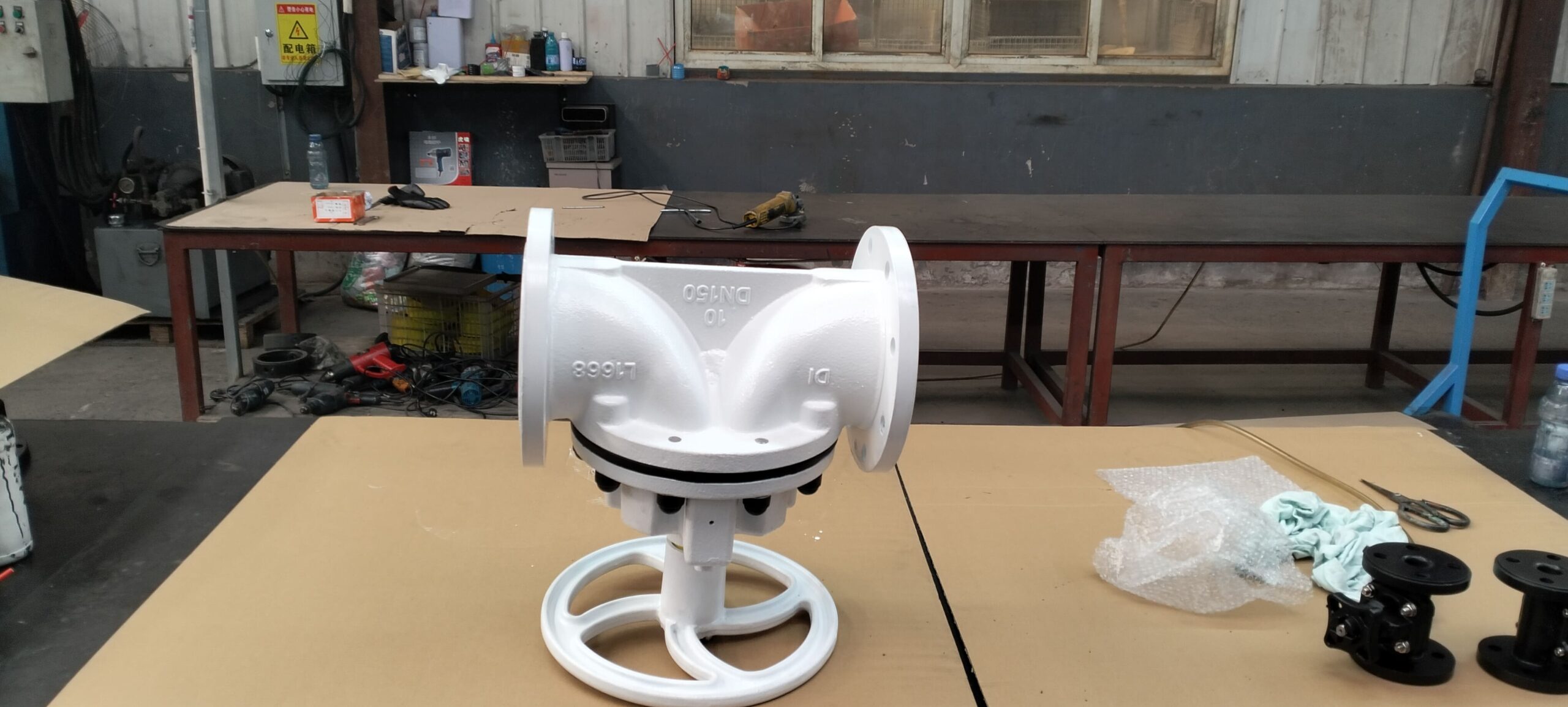
In our factory, we obsess over reliability. One of the first things we eliminated in our design is the most common point of failure: the stem seal. In most valves, a moving stem passes through the valve body, requiring packing or seals to prevent leaks. These seals wear out. They are a guaranteed maintenance item. A diaphragm valve, however, has no such weakness. The diaphragm is a static seal that separates the fluid from the valve's actuator and the outside world. There are no moving parts in contact with the process fluid. This is especially critical for our clients dealing with corrosive chemicals7 or abrasive slurries. There's no stem to corrode and no packing to abrade. As manufacturers, we ensure this seal is perfect by using mechanically applied linings8, which create a seamless, flawless barrier. For our B2B customers, this means a "fit and forget" solution that enhances safety and lowers the total cost of ownership.
How Do Diaphragm Valves Maintain Control Across a Wide Temperature Range?
Do temperature swings in your process cause valves to leak or seize? This disruption can halt production and lead to costly equipment failures. The right diaphragm material ensures consistent performance, whether hot or cold.
The key is the material of the diaphragm. We select materials like EPDM, PTFE, or PFA for their thermal stability9. They expand and contract with temperature changes without losing their flexibility or sealing ability, ensuring precise flow control whether your system is hot or cold.
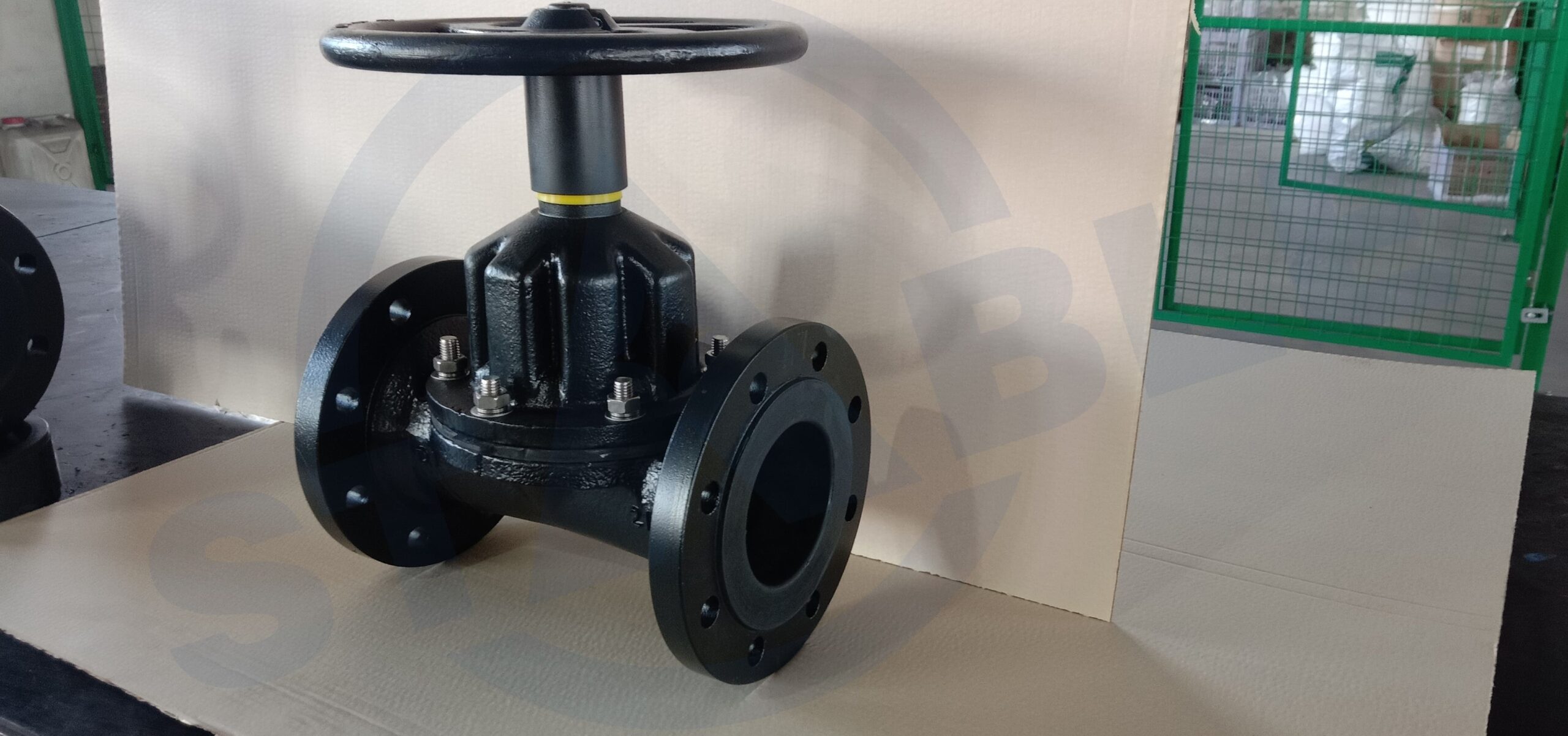
I remember a project for a power plant. They needed valves for their flue gas desulfurization (FGD) system, where temperatures fluctuate wildly. This is a perfect test for a valve's material stability. We chose a valve with a specific rubber lining designed for this challenge. The diaphragm material is everything. It must remain flexible at low temperatures and not degrade or lose its shape at high temperatures. As it gets hotter, the material expands slightly, but its elasticity allows it to maintain a tight seal. When it cools, it contracts without becoming brittle. This thermal stability9 is why diaphragm valves are trusted in so many industries. We offer a range of materials to match the application, from EPDM for water treatment to PTFE for handling aggressive chemicals at high temperatures. This ensures our clients get a valve that performs reliably, no matter what the thermometer says.
| Diaphragm Material | Typical Temperature Range (°C) | Best For |
|---|---|---|
| EPDM | -40 to 120 | Water, wastewater, mild chemicals |
| PTFE | -10 to 180 | Aggressive chemicals, high temperatures |
| NBR | -10 to 90 | Oils, fuels, fats |
Can Diaphragm Valves Handle Fluids with Changing Viscosity?
Is pumping thick, sludgy fluids a tough challenge for you? Their viscosity often changes with temperature, clogging up standard valves and disrupting flow. Diaphragm valves adapt to these changes, keeping things moving smoothly.
Yes, they excel with viscous fluids10. The valve's full-bore, linear flow path11 minimizes clogging. As a fluid's viscosity changes with temperature, the flexible diaphragm automatically adjusts the opening to maintain a consistent flow rate, preventing blockages and ensuring smooth operation.
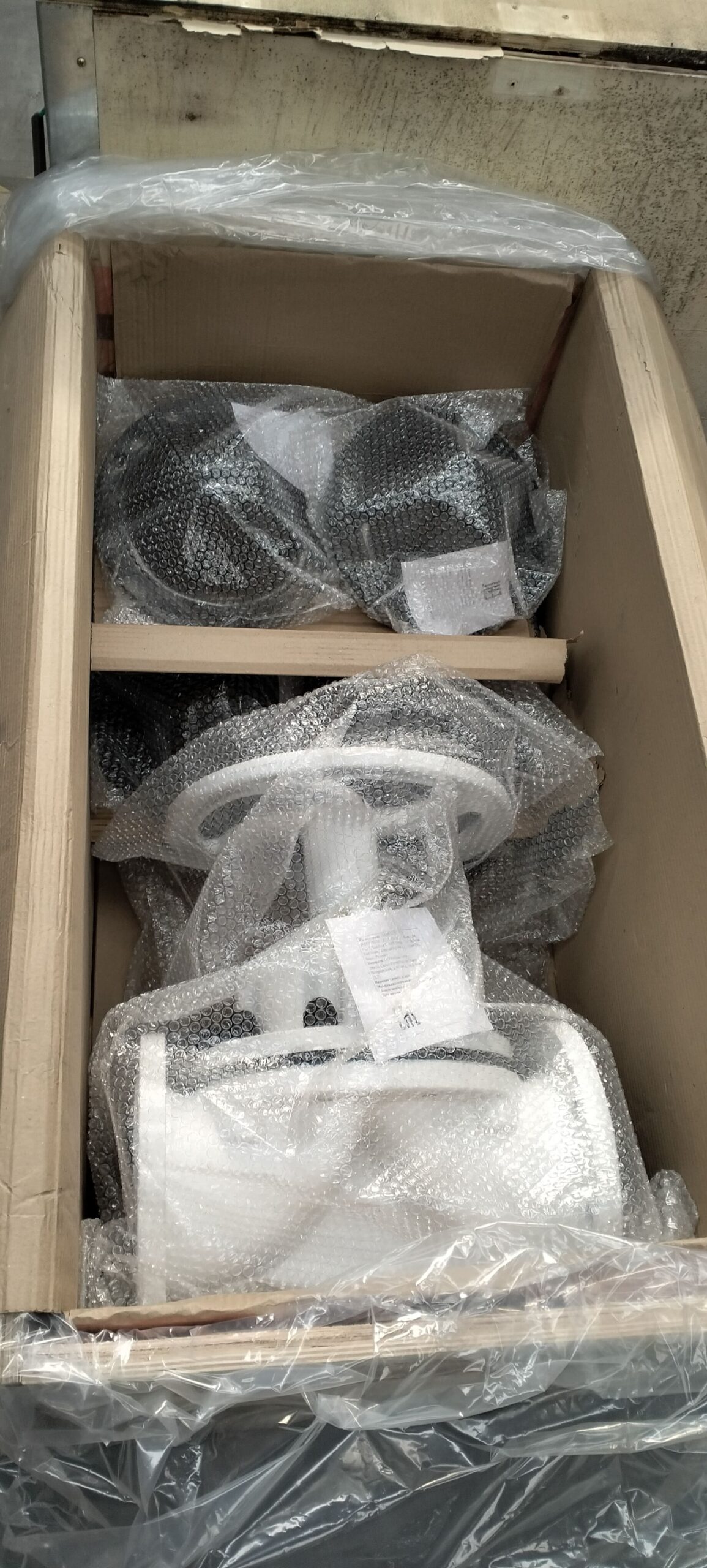
Viscous fluids are notoriously difficult. Think of wastewater sludge, mining slurries, or certain chemical polymers. As they cool, they get thicker and harder to move. A standard valve with a complex internal path can easily get clogged. Diaphragm valves are different. They typically feature a smooth, weir-style flow path12 with no pockets or dead spots where material can build up. I once worked with a client in the mining industry who was struggling to control the flow of abrasive ore slurry13. The slurry's consistency changed throughout the day. We supplied them with our rubber-lined diaphragm valves. Not only did the lining resist the abrasion, but the valve's flexible diaphragm also naturally compensated for the changing viscosity. As the slurry thickened, the valve's opening adjusted to maintain steady movement. This adaptability makes them the ideal choice for any process involving slurries, sludges, or other non-Newtonian fluids14.
Conclusion
The flexible diaphragm, isolated mechanism, and material stability make diaphragm valves a top choice for fluctuating systems, ensuring reliable, self-regulating flow control and peace of mind.
Understanding how diaphragm valves manage pressure and temperature fluctuations can help you maintain system stability and prevent damage. ↩
Discover the mechanism behind flexible diaphragms that ensures smooth flow control and protects systems from pressure spikes. ↩
Learn how diaphragm valves automatically adjust to maintain consistent flow, reducing the need for manual intervention and complex controls. ↩
Explore how dynamic adjustment in diaphragm valves maintains consistent flow rates, safeguarding downstream components from damage. ↩
Understand how diaphragm valves protect system integrity by preventing pressure surges and maintaining consistent flow. ↩
Find out how diaphragm valves prevent leaks and reduce maintenance costs with their unique design, enhancing reliability. ↩
Learn how diaphragm valves are designed to resist corrosion and maintain reliability in chemical processing environments. ↩
Learn about the role of mechanically applied linings in creating a seamless barrier that enhances valve reliability and safety. ↩
Understand the importance of thermal stability in diaphragm valves for consistent performance across varying temperatures. ↩
Find out how diaphragm valves adapt to viscosity changes, preventing blockages and ensuring smooth flow in challenging processes. ↩
Discover how the full-bore, linear flow path in diaphragm valves minimizes clogging and ensures smooth operation with viscous fluids. ↩
Learn about the weir-style flow path in diaphragm valves that prevents material build-up and maintains steady flow. ↩
Explore how diaphragm valves resist abrasion and adjust to viscosity changes in challenging mining applications. ↩
Find out how diaphragm valves adapt to changing viscosities in non-Newtonian fluids, ensuring smooth operation. ↩