
Choosing the wrong valve leads to leaks, corrosion, and costly downtime. These issues compromise safety and hurt your bottom line, making every valve decision a critical one for your operation.
Diaphragm valves are an excellent choice for handling corrosive, abrasive, or high-purity fluids due to their leak-proof design and isolated components. However, their limitations in high-pressure and high-temperature applications make them ideal for specific industrial processes but not a universal solution.
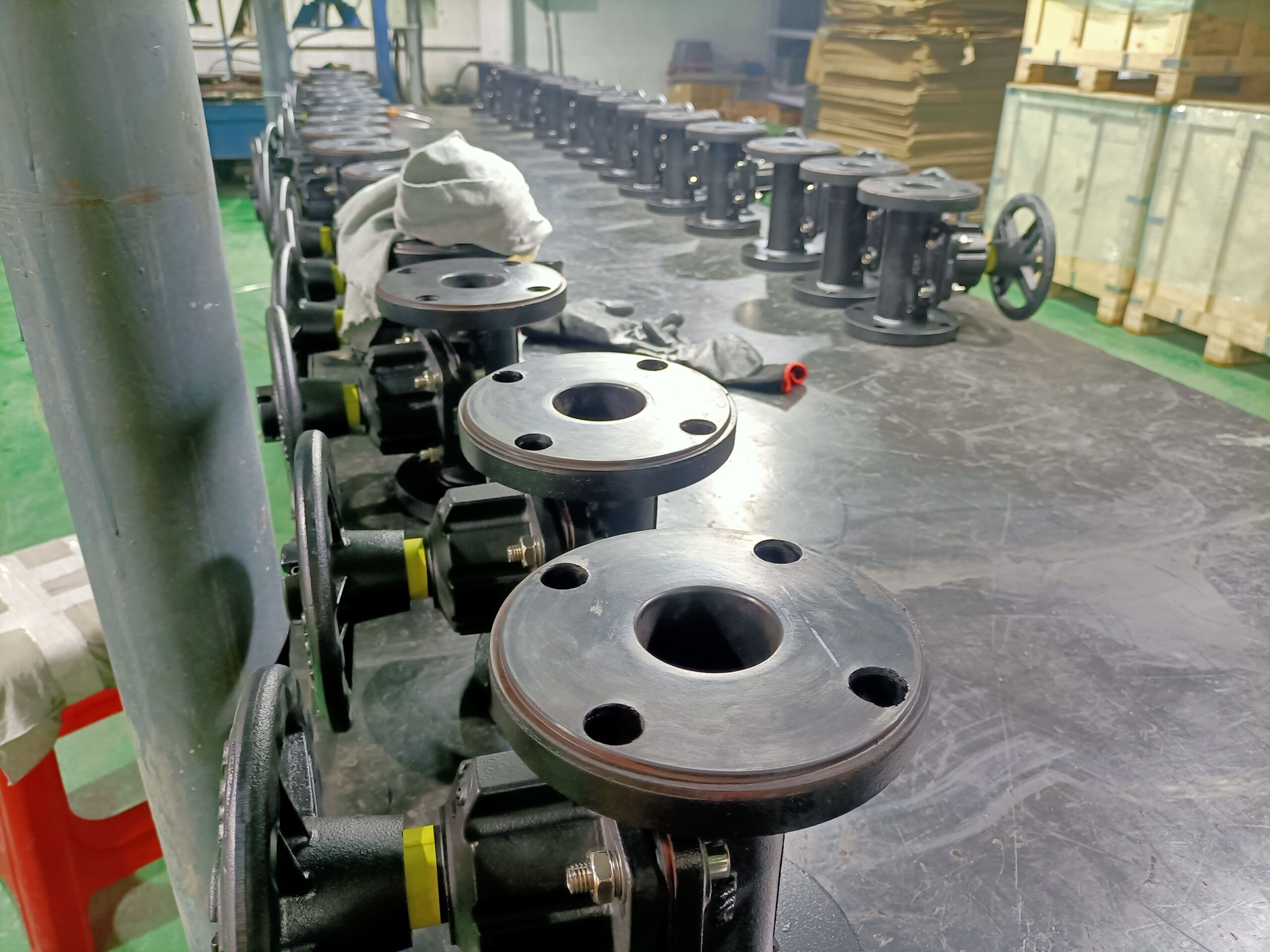
Now that you have a quick overview, you're probably wondering about the specific details. It's crucial to understand both the strengths and weaknesses of a valve before you integrate it into your system. To make the best decision for your business, you need to see the full picture. Let's break down the key advantages to see how they can benefit your operations.
What Makes Diaphragm Valves So Reliable and Versatile?
System contamination and frequent leaks are major headaches in fluid control. This leads to spoiled products, safety hazards, and constant, expensive maintenance that disrupts your entire workflow.
Their reliability comes from a flexible diaphragm that isolates the fluid from all moving parts, creating a bubble-tight, leak-proof seal. This design prevents contamination and protects internal components, making them perfect for corrosive, abrasive, or high-purity applications where dependability is absolutely critical.
When I talk to clients, especially procurement managers for chemical plants or wastewater facilities, their biggest fear is unexpected failure. A single leak can shut down a line for hours. The beauty of the diaphragm valve lies in its simple, effective design that directly counters this fear. Let's dive deeper into what makes them such a solid choice.
Unmatched Sealing and Component Protection
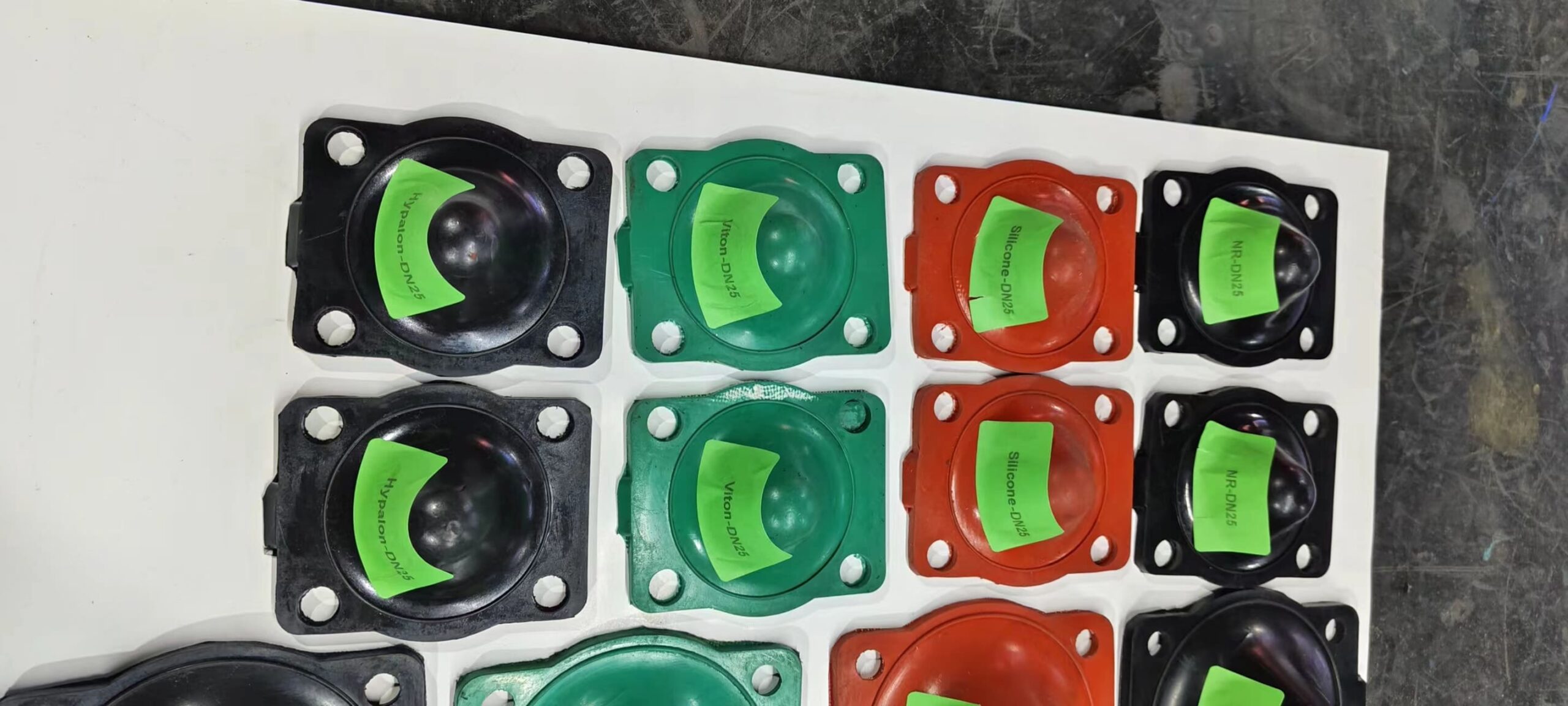
The core feature is the diaphragm itself. It’s a flexible membrane that is pressed down onto a weir (a raised lip in the valve body) to stop the flow. This creates a seal that is incredibly secure and leak-proof. More importantly, this diaphragm acts as a complete barrier. The fluid you're controlling never touches the valve's stem, bonnet, or actuator. This isolation is a game-changer. It prevents corrosion of the operating mechanism and eliminates any potential for lubricants or external contaminants to enter the process fluid. I remember a client in the chemical dosing business who switched to our valves. They stopped having issues with product contamination, which was a constant problem with their previous gate valves.
Superior Corrosion and Abrasion Resistance
Diaphragm valves are built to handle tough media. While the valve body provides the structural strength, the real work is done by the lining. We manufacture our valves with robust cast iron (CI) and ductile iron (DI) bodies, which are perfect for large-scale, low-pressure piping. We then line them with high-performance materials.
| Lining Material | Best For | Key Industries |
|---|---|---|
| PTFE / PFA | Aggressive acids, alkalis, and solvents | Chemical, Petrochemical |
| EPDM Rubber | Water, wastewater, dilute acids, and alkalis | Water Treatment, Power Plants |
| NBR Rubber | Oils, fuels, and abrasive slurries | Mining, Wastewater |
| Natural Rubber | Abrasive slurries and some chemicals | Mining, Metallurgy |
Our mechanically applied linings are seamless and smooth, which not only looks better but also reduces friction and potential for material buildup. This makes them ideal for abrasive slurries in mining or the corrosive chemical slurries found in flue gas desulfurization systems at power plants.
Simplicity and Ease of Maintenance
The design is brilliantly simple. There are only three main parts in contact with the fluid: the body, the lining, and the diaphragm. With very few moving parts, there is less that can go wrong. Maintenance is straightforward and can be performed in-line without removing the entire valve from the pipeline. Replacing a worn diaphragm is a quick job, often taking less than 30 minutes. This drastically reduces downtime compared to rebuilding a complex globe or ball valve. For a plant manager, this means more uptime and lower labor costs for maintenance.
What Are the Key Limitations of Diaphragm Valves?
You've found a promising valve, but you're rightly concerned about its operational limits. Choosing a valve that can't handle your system's pressure, temperature, or flow rate will inevitably lead to failure.
The primary limitations are their reduced tolerance for high pressures and temperatures, dictated by the diaphragm material. They also have a more restricted flow path compared to other valve types and require periodic diaphragm replacement, especially in demanding applications.
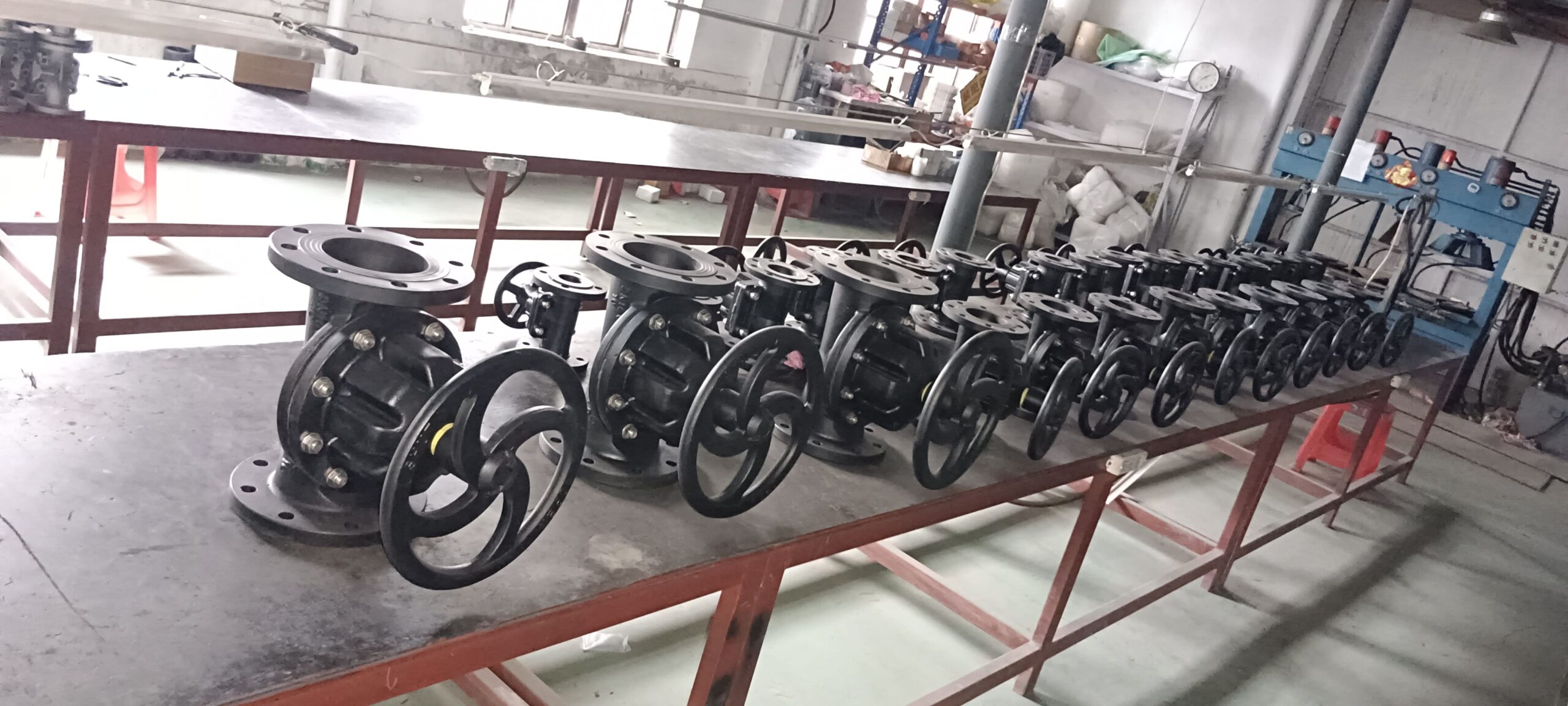
As a manufacturer, I believe in being completely transparent about our products. A well-informed customer is a successful partner. It's crucial to understand that these limitations aren't flaws; they are design trade-offs that make the valve exceptional in its intended applications. Pushing a diaphragm valve beyond its design limits is a recipe for trouble. Let's look at these limitations so you can determine if it’s the right fit.
Temperature and Pressure Constraints
This is the most significant limitation. The flexible diaphragm, which provides the excellent seal, is also the limiting factor for pressure and temperature. Elastomers like EPDM and NBR, or plastics like PTFE, have specific operating windows. High temperatures can cause the material to soften or degrade, while high pressure can physically damage or even extrude the diaphragm.
| Diaphragm Material | Typical Max. Temperature | Typical Max. Pressure |
|---|---|---|
| EPDM | ~120°C (250°F) | ~10 bar (150 psi) |
| NBR | ~90°C (195°F) | ~10 bar (150 psi) |
| PTFE (backed) | ~150°C (300°F) | ~10 bar (150 psi) |
These values are general and can vary by manufacturer and specific grade. This is why diaphragm valves are a perfect fit for the medium-to-low pressure systems found in chemical processing, water treatment, and power plants, but are not suitable for high-pressure steam or hydraulic systems.
Periodic Diaphragm Replacement
The diaphragm is a wear part. Just like the tires on a car, it is designed to be replaced periodically. Over time, flexing, chemical attack, and abrasion will cause it to wear out. The frequency of replacement depends entirely on the service conditions—the type of fluid, temperature, pressure, and cycle frequency. In a highly abrasive mining slurry application, it might need replacement more often than in a clean water application. While this is a maintenance cost, it's a predictable one. The ease of replacement means it's a scheduled task rather than an emergency shutdown.
Restricted Flow Characteristics
The weir-style design, which is the most common type, creates an inherent flow restriction. The fluid has to travel up and over the weir, which is not a straight-through path like you would find in a full-port ball valve. This results in a higher pressure drop across the valve and limits its maximum flow capacity (Cv). For this reason, diaphragm valves are generally not the first choice for applications where high flow rates and minimal pressure drop are the primary requirements. They excel at control and shut-off, not bulk transfer.
Conclusion
In summary, diaphragm valves offer unmatched reliability for corrosive and abrasive media in low-to-medium pressure systems. Understanding their distinct advantages and limitations ensures you choose the right valve for the job.